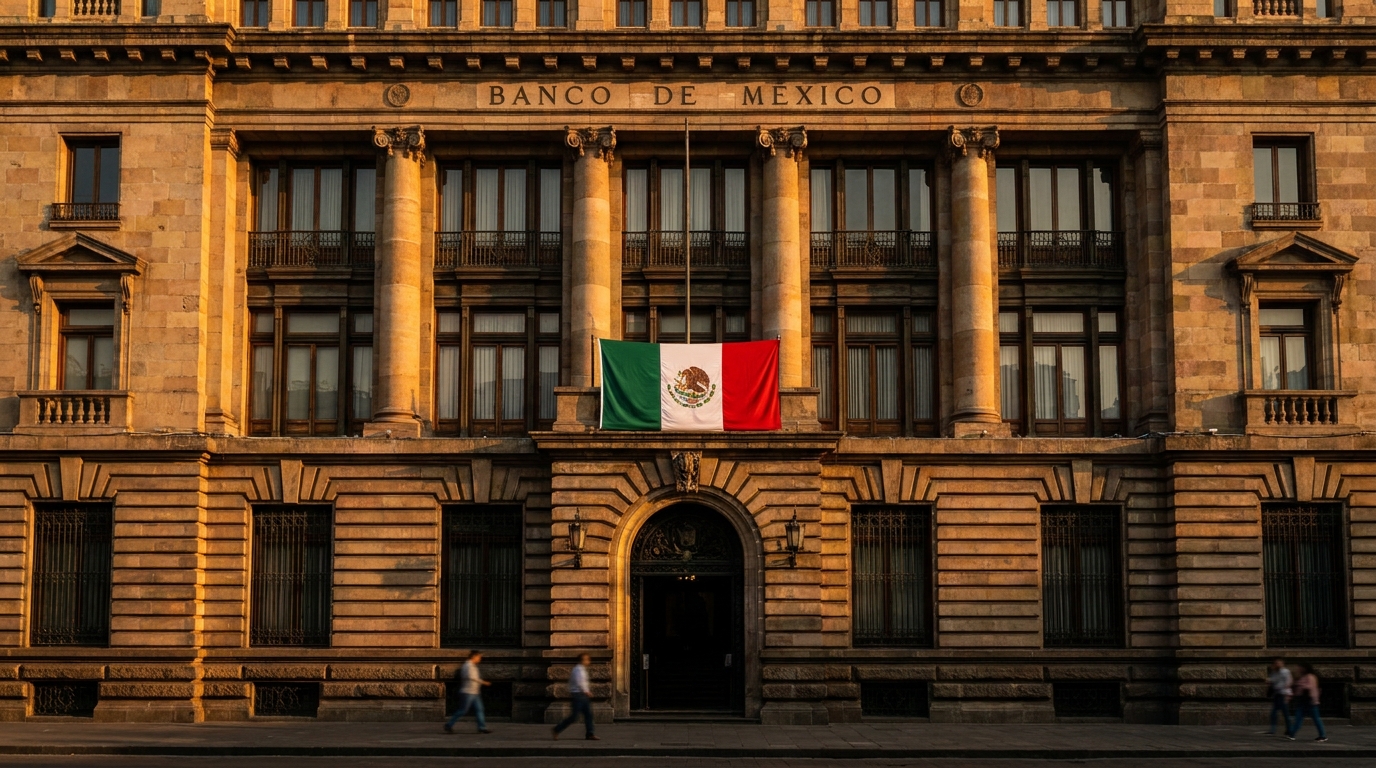
Banco de México reported on August 3 that remittances sent to Mexico totaled $5,472 million in June 2026, an annual increase of 4.2%. In the first half of the year, inflows accumulated $30,759 million, up 3.1% from the same period in 2025, according to the central bank.
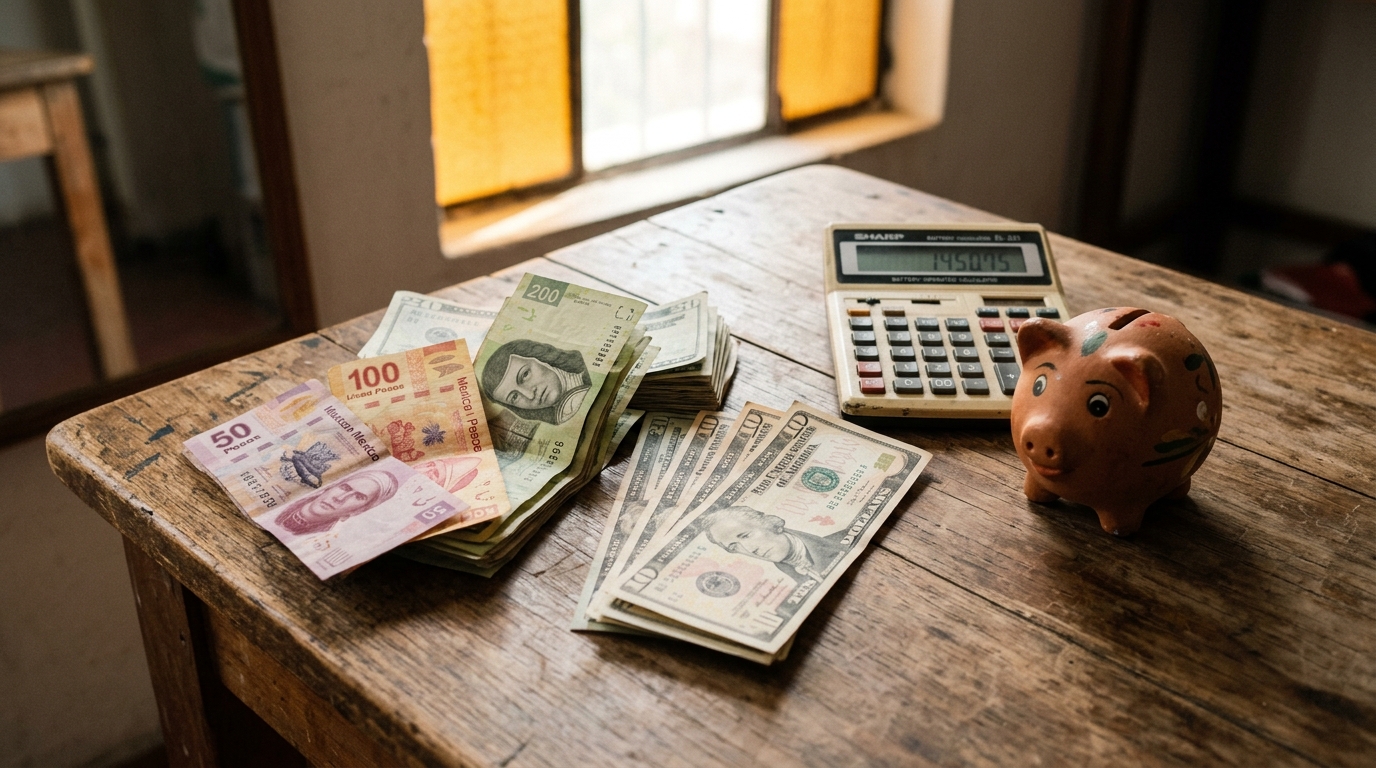
The first-half figure is the second highest on record since 1995, according to El Financiero, though the pace of expansion slowed compared with prior years: in the same period of 2025, the flow had fallen 5.0%. Transfers originate primarily from the United States, according to Banxico, and represent a central component of income for millions of Mexican families, making their trajectory closely watched on both sides of the border. The other side of dollar-denominated growth is a stronger peso: each transfer, when converted to pesos, buys less than it did a year ago.
In June, the average transfer was $422, up from $404 in May, though the number of transactions fell from 13.9 million to 12.9 million, as reported by El Universal. Compared with May, when inflows reached $5,611 million boosted by Mother's Day, the June flow declined 2.4%. In peso terms, that flow was equivalent to 95,109 million pesos, 4.87% less than in June 2025, according to El CEO. For the same outlet, the peso's strength against the dollar has now produced 13 consecutive months of eroding remittance purchasing power. In the first half, 75,971 million transactions were recorded with an average transfer of $405; of the total, 53.3% arrived as account deposits (16,255 million dollars), and 46.7% was collected in cash (14,260 million dollars).
The 12-month cumulative flow of $63,389 million keeps remittances among the country's primary sources of foreign exchange. Banxico's next monthly report will show whether dollar-denominated growth holds as families adjust their spending to a peso that goes less far.
This article was written with artificial intelligence assistance from verified sources and reviewed by a human editor before publication.