On August 26, Meta agreed to pay up to $18 billion to settle the lawsuit filed by 29 U.S. states over the safety of minors on Instagram and Facebook. The settlement includes a two-hour daily usage cap for teenagers and is described by TechCrunch as historically significant in scale.
The lawsuit is part of litigation alleging that several platforms, including Meta, Google, TikTok, and Snap, designed their applications to keep minors hooked, according to The Verge. The agreement was signed by 51 U.S. states and territories and binds Meta for at least ten years. For many Latino families, Instagram and Facebook are the daily channel for staying close to relatives in Mexico, the United States, and Canada, and the new rules change the experience of minors in those households. Although the agreement applies to minors in the United States, the conversation about screen time is also reaching Mexico and Canada.
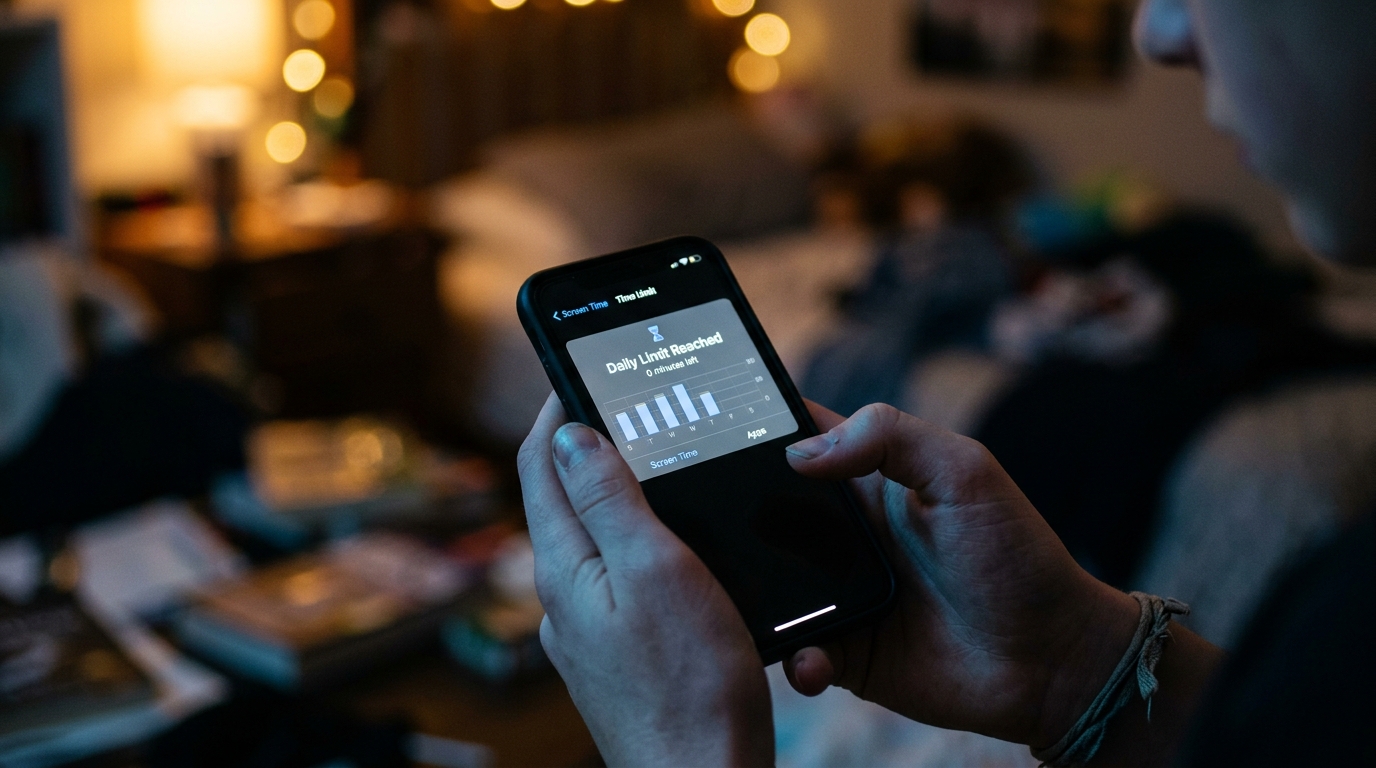
The two-hour cap is calculated on the combined use of both applications and can only be lifted with parental permission. Meta must also display notices every 15 minutes of use, block minor accounts between midnight and 6 a.m., and silence notifications during school hours, from 8 a.m. to 3 p.m. Minors will no longer see like and reaction counts by default and will have the option to turn off autoplay. The payment will be spread over ten years, and approximately $5.3 billion, close to 30% of the total, is contingent on TikTok and YouTube adopting similar rules, according to The Verge. The company admitted no liability, and experts cited by TechCrunch warn that age verification remains a weak point with privacy risks.
The first rules, such as the option for a non-personalized feed, must be operational within four months. Attention will then shift to the responses of TikTok and YouTube, and to how Meta resolves age verification without exposing user data, a point the settlement itself leaves unresolved.
This article was written with artificial intelligence assistance from verified sources and reviewed by a human editor before publication.