The Confederación Patronal de la República Mexicana (Coparmex) estimated on November 12, 2026 that physical investment under the 2027 Presupuesto de Egresos de la Federación (PEF) will equal 2.6% of Gross Domestic Product (GDP), against 4.5% a decade ago. The calculation appears in its position paper following approval of the package in the Cámara de Diputados.
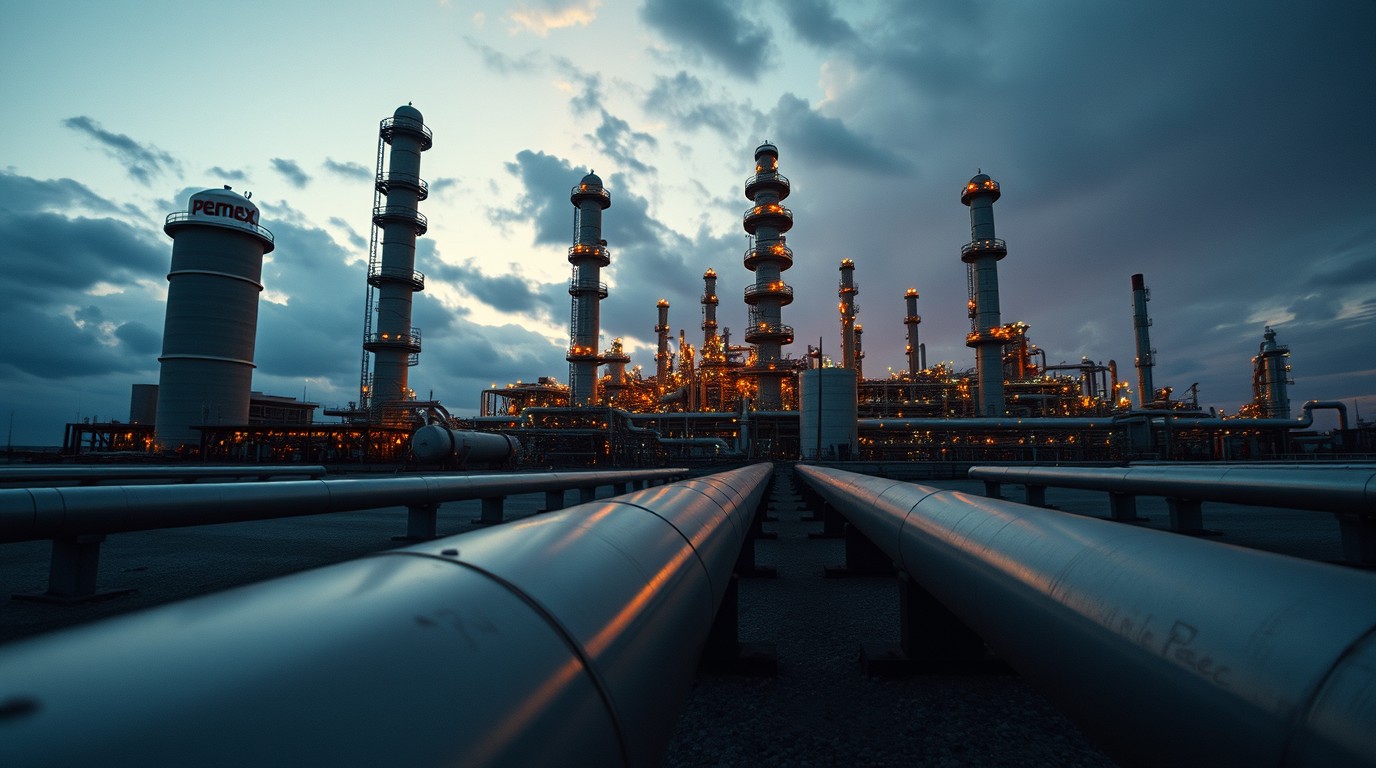
In the document, cited by Forbes México, Coparmex indicated that the projected deficit reaches 3.9% of GDP, above the amount allocated to physical investment. The approved budget totals 10.6 trillion pesos, with 1.7 trillion financed through borrowing, according to the figures reported by Energía a Debate. Within that total, support for Petróleos Mexicanos (Pemex) came to 81 billion pesos, against 263 billion in 2026, and public investment totals 1.1 trillion for highways, railways, ports, water infrastructure and energy.
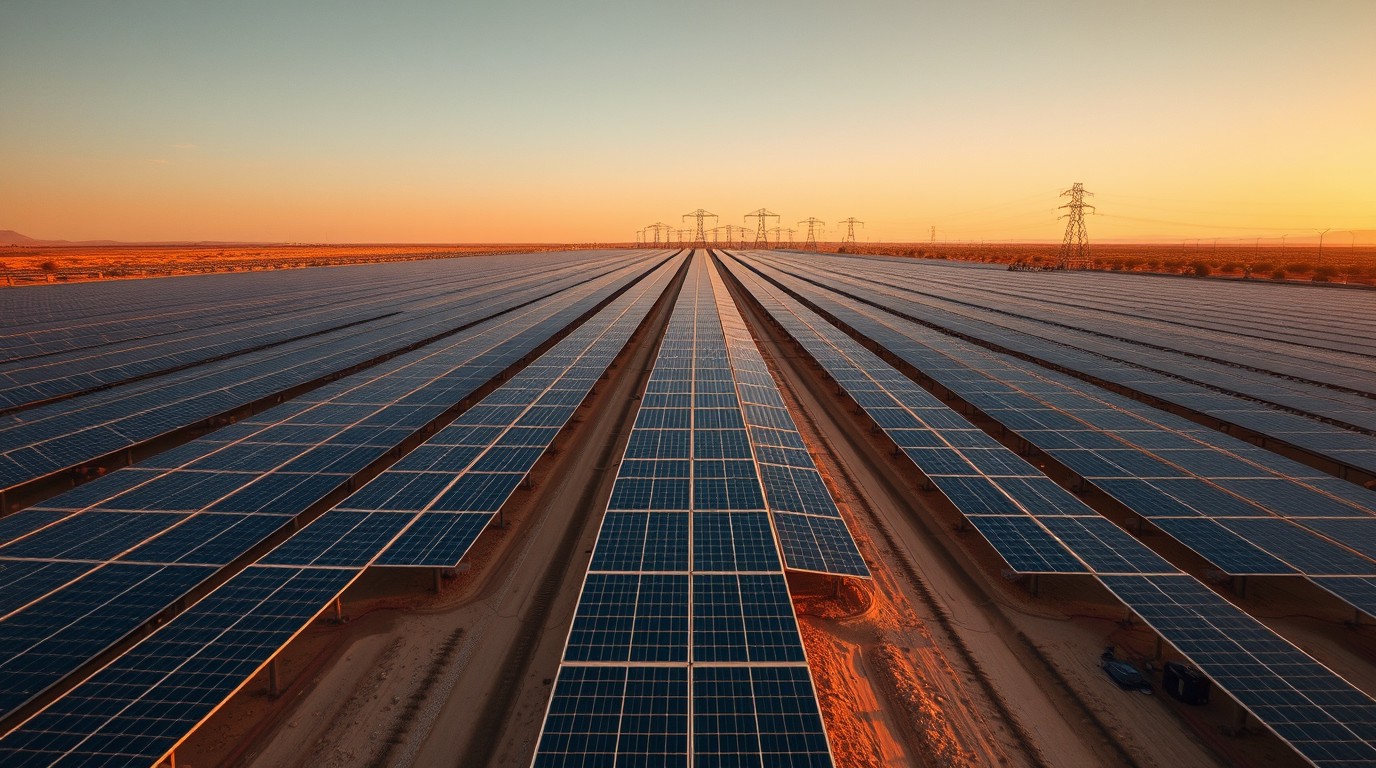
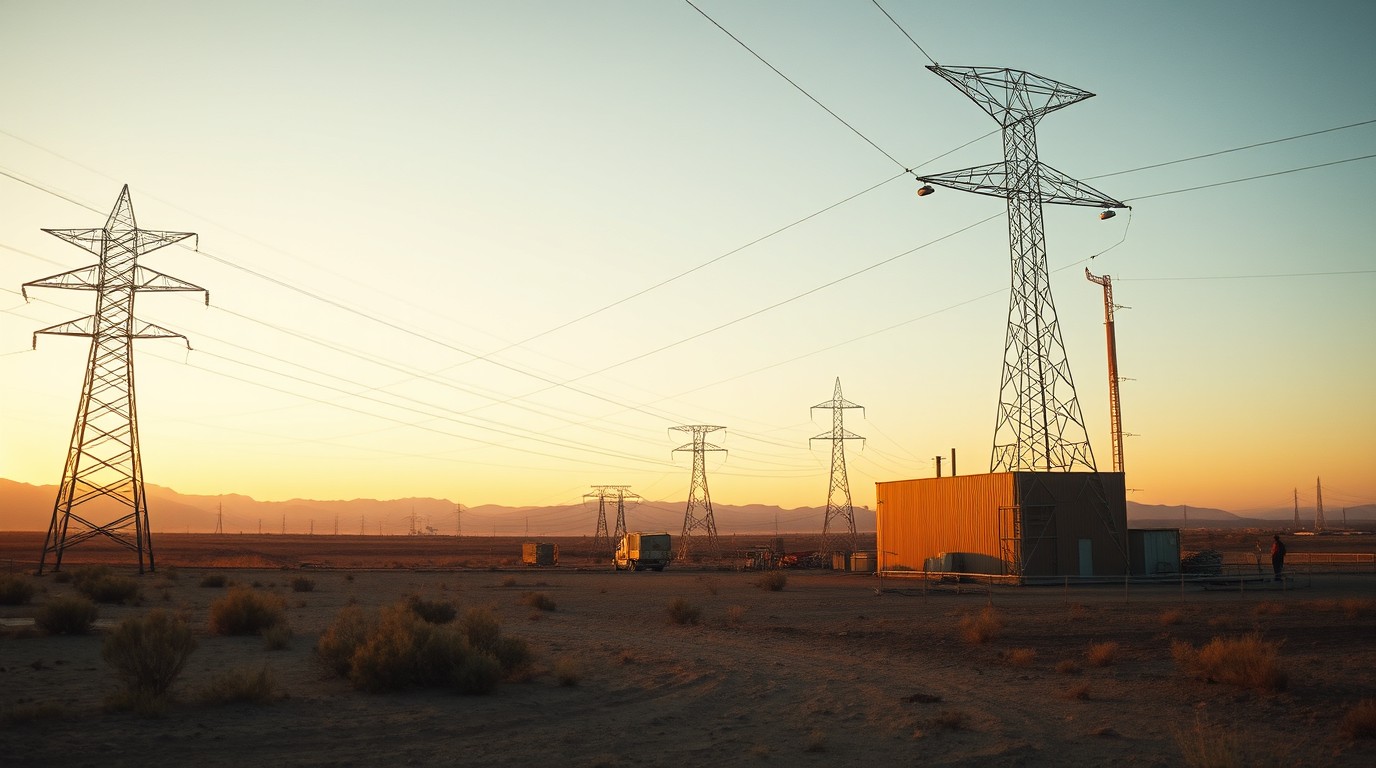
For the energy sector, that line item covers new construction and rehabilitation of infrastructure, such as transmission lines, substations and generation plants. The package itself allocates 2.48 trillion pesos to pensions and 1.57 trillion to the financial cost of debt, two categories that Coparmex compares with the amount assigned to investment. The organization's reading, under its president Juan José Sierra Álvarez, is that the country is resorting to debt to finance current spending instead of expanding its productive capacity.
Coparmex also cited a study by the Instituto Mexicano para la Competitividad (IMCO) according to which, between January and September 2026, the country's physical investment grew 8% annually, while Pemex's fell 1.5% in real terms. As a proposal, it put forward creating an Independent Fiscal Council with technical autonomy to evaluate macroeconomic assumptions, fiscal risks and debt sustainability, and maintained that "only with more growth can more be collected."
The 2027 PEF takes effect on January 1, 2027, after its publication in the Diario Oficial de la Federación. Coparmex's proposal to create an Independent Fiscal Council remains a request from the business sector.
This article was written with the assistance of artificial intelligence from verified sources and reviewed by a human editor before publication.