Mexico will add more than double the renewable capacity between 2026 and 2031 than in the previous five years, with solar photovoltaic contributing more than 90% of the growth, according to the Renewables 2026 report from the International Energy Agency, published on November 6, 2026.
The document projects the global energy market over six years and places Mexico among the three fastest-expanding markets in Latin America and the Caribbean, alongside Brazil and Chile. The region will add 165 gigawatts (GW) of renewables by 2031, and solar will overtake hydropower as the renewable technology with the most installed capacity, according to BNamericas. Globally, the IEA estimates almost 4,800 GW of new capacity in the period, around 60% more than in the previous six years, according to its November 6 statement. The figure matters for Mexico because growth in electricity demand, tied to industrial relocation, depends on how much new generation comes online.
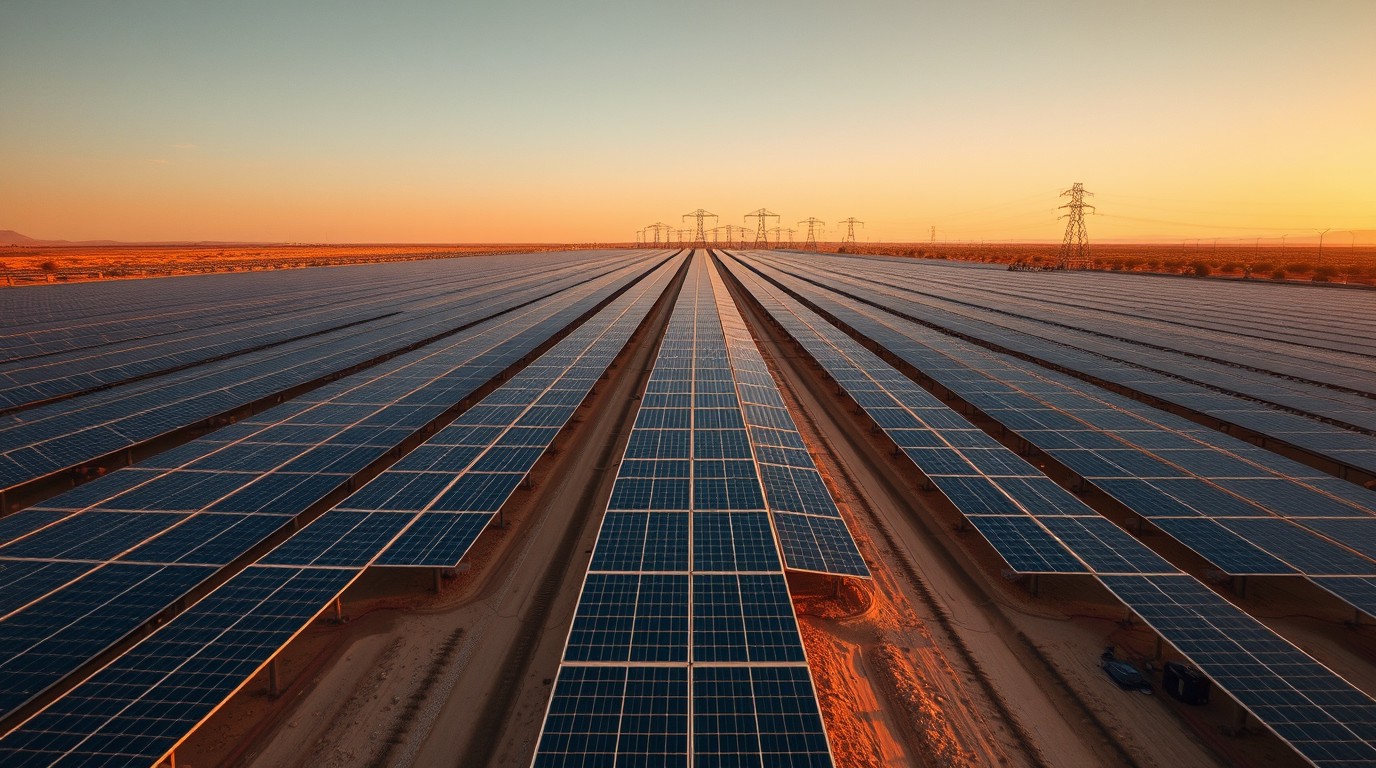
The report details that solar photovoltaic will remain the dominant technology: it will contribute more than 90% of added renewable capacity and, by 2031, will displace hydropower as the country's main renewable source of electricity, according to Energía a Debate, which cites the study. The study contrasts the projection with the 2020-2025 period, when renewable capacity additions in Mexico were lower. The momentum comes from the reopening of large-scale purchases through the auction scheme led by the Federal Electricity Commission, in addition to net metering, which sustains distributed generation. The document ranks Mexico as the world's second-largest market for large-scale solar auctions, behind only China, after awarding almost 7 GW in its first competitive round since 2017. The IEA also identifies grid constraints, permitting delays and uncertainty over the balance between state control and private participation.
The next measurement point will be the entry into operation of the awarded projects and the pace of the next purchasing rounds. Transmission capacity will determine whether the IEA forecast is met in 2031. For the Mexican community in North America, the speed of these works influences the cost of electricity and the competitiveness of regional manufacturing.
This article was drafted with the assistance of artificial intelligence from verified sources and reviewed by a human editor before publication.