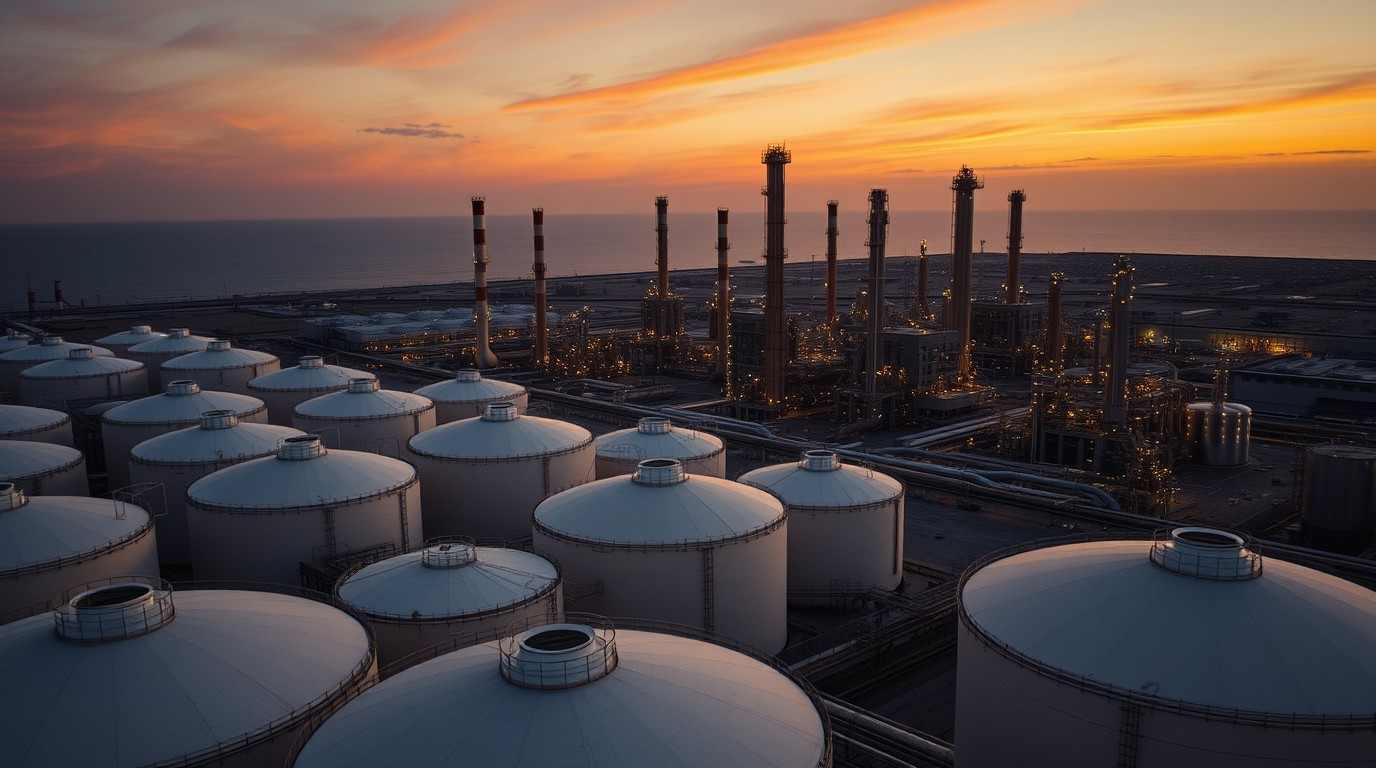
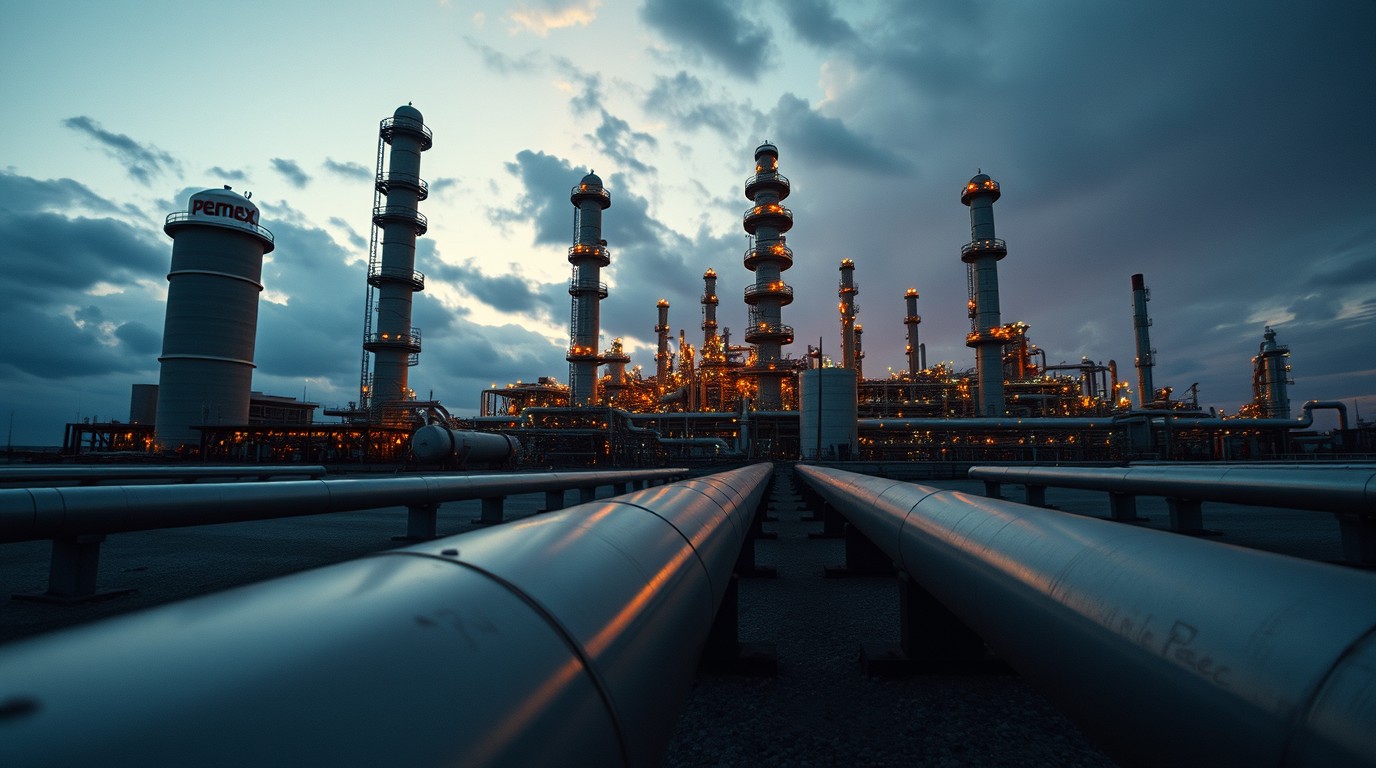
Petróleos Mexicanos reported on November 9, 2026 a financial debt of 77 billion 600 million dollars at the close of September, its lowest level since 2014, and crude processing 19.6% higher across its National Refining System. The reduction exceeds 20 billion dollars in under two years.
The company's director general, Juan Carlos Carpio Fragoso, presented the results before the Energy Commission of the Chamber of Deputies, in the review of the Second Government Report of President Claudia Sheinbaum, according to Energía Hoy. The figure matters for public finances because the Mexican State backs the company's debt: a smaller liability means less exposure for the treasury. El Financiero reported that Pemex expects to require 64% fewer contributions from the Federal Government in 2027, funds earmarked for servicing debt owed to international markets. The target set out in August 2025 was that the company would no longer need government support from 2027; the calculation presented now contemplates a smaller support.
Between October 2025 and September 2026 oil production held at 1.65 million barrels per day, and total hydrocarbon production grew 3.4%, to 2 million 417 thousand barrels per day of crude equivalent. The National Refining System processed an average of 1 million 107 thousand barrels per day, while the Olmeca refinery went from 87 thousand to 198 thousand barrels per day. Gasolines rose 21.6% and diesel 42.6%. EBITDA totaled 385 billion pesos from January to September, a rise of 49%, and the debt/EBITDA ratio fell from 8 to 4 times, according to Proceso. Over the same period the company paid 952 billion pesos to suppliers and contractors. Carpio told legislators: "In 2027 we will need 64 percent fewer contributions from the Federal Government."
The oil company plans to invest more than 1.8 trillion pesos of its own resources between 2025 and 2030. The next checkpoint will be the close of 2026, when it will become clear whether the lower reliance on federal contributions is reflected in next year's budget.
This article was written with the assistance of artificial intelligence from verified sources and reviewed by a human editor before publication.