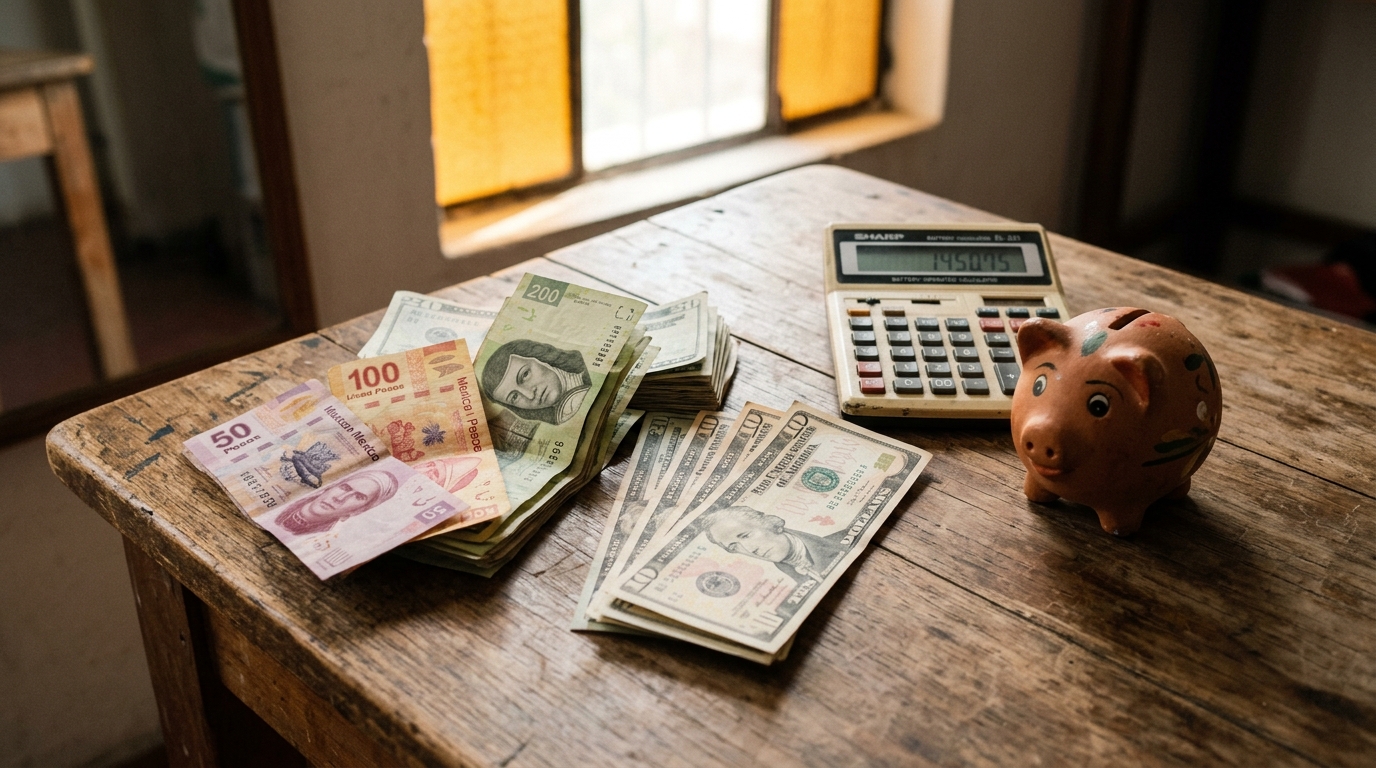
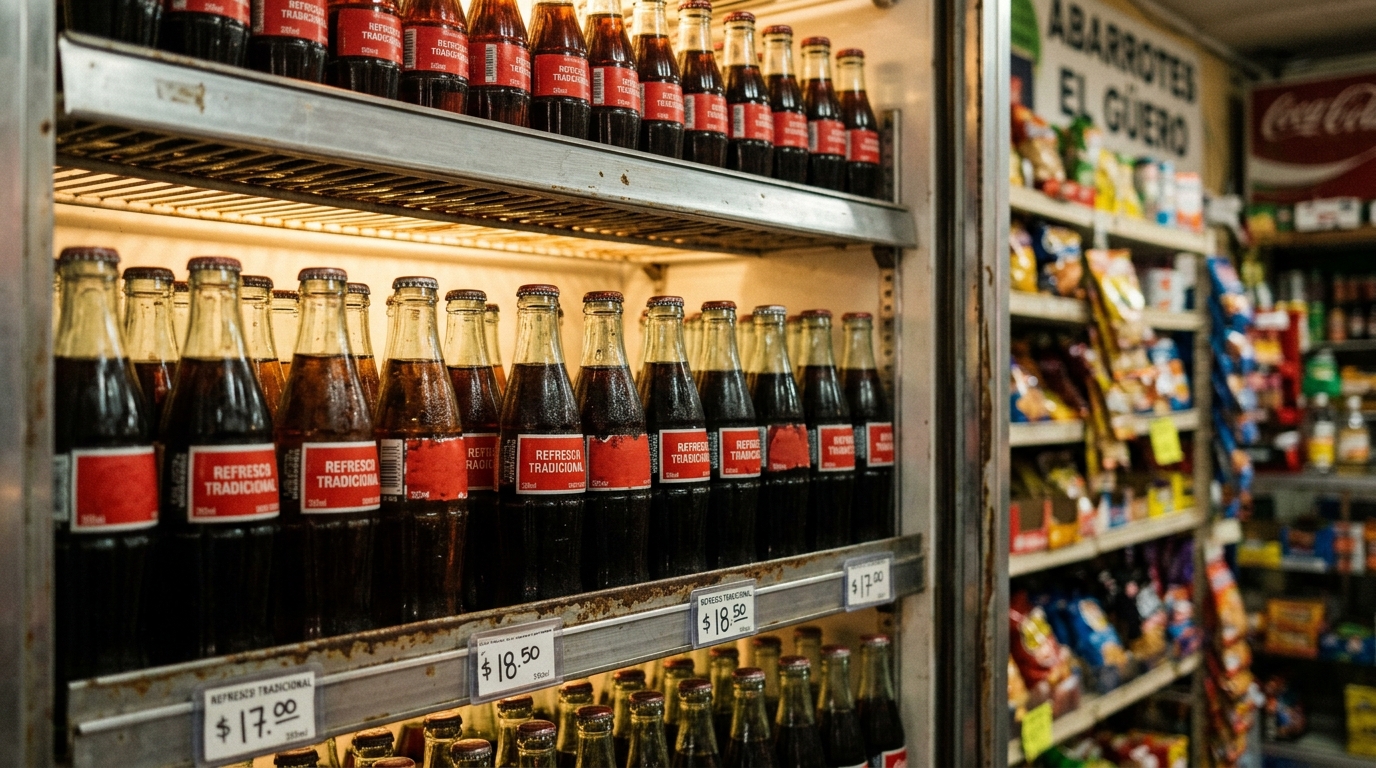
Starting August 4, Coca-Cola Femsa applied increases of one to five pesos to various soft drink formats in central Mexico, the Bajío region, and the southeast of the country. The bottler attributes the adjustment to rising input costs, inflation, and the Special Tax on Production and Services (IEPS).
The company confirmed the move "in line with the increase in the price of some inputs used to make our products," its Corporate Communications department told Expansión. FEMSA-Coca-Cola president Ian Craig explained in the quarterly earnings call with investors that the firm decided to pass on approximately 85% of the combined impact of the tax and inflation to prices, according to Proceso. The IEPS on flavored beverages rose from 1.64 to 3.08 pesos this year, nearly double, and the last time the company faced an increase of that magnitude was between 2013 and 2014. For Mexican households, the change registers in everyday spending: according to BBVA Research's Big Data Consumption Indicator, consumption fell 0.2% month-on-month and 4.9% year-on-year in June.
Price increases vary by format. The standard 250-milliliter Coca-Cola went from 12 to 14 pesos; the 355-milliliter, from 22 to 23; and the 1.75-liter family bottle, from 37 to 42. Sugar-free versions were also adjusted: the 350-milliliter rose from 8 to 10 pesos and the 600-milliliter, from 18 to 20. The effect is already visible in small shops. Isabel Contreras, owner of a corner grocery in the San Simón Tolnáhuac neighborhood of Mexico City, says her sales fell roughly 15% and that her customers "won't give up their Coke, but they're no longer buying cookies or cheese." The Anpec shopkeeper association reports that 89.4% of retailers consider the broad-based price increase their main problem.
Cuauhtémoc Rivera, president of Anpec, anticipates that the soft drink adjustment was "the starting gun" for a new round of price increases across mass-consumption goods, with more pressure expected in the coming months. The figure to watch: how families realign their household budgets in a year when consumption has already logged five consecutive monthly declines.
This article was written with the assistance of artificial intelligence based on verified sources and reviewed by a human editor before publication.