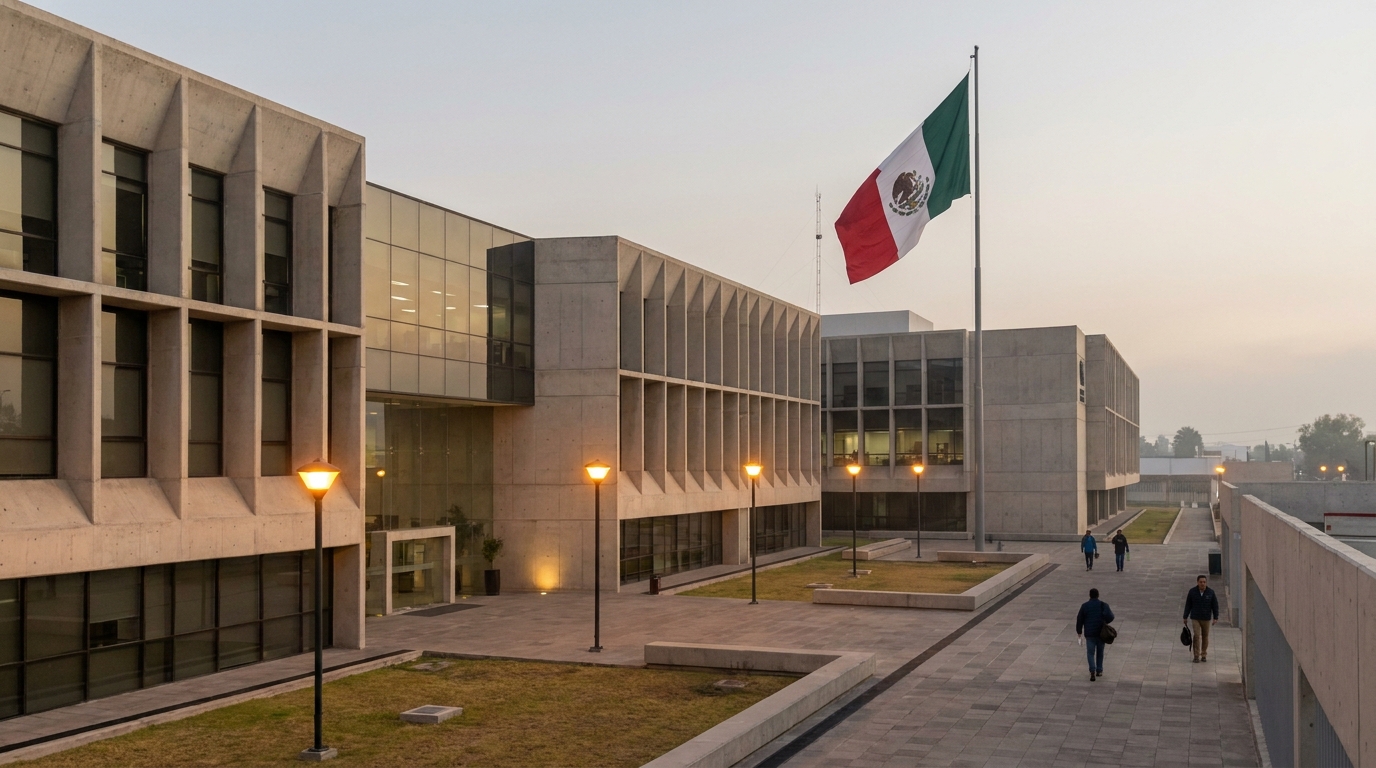
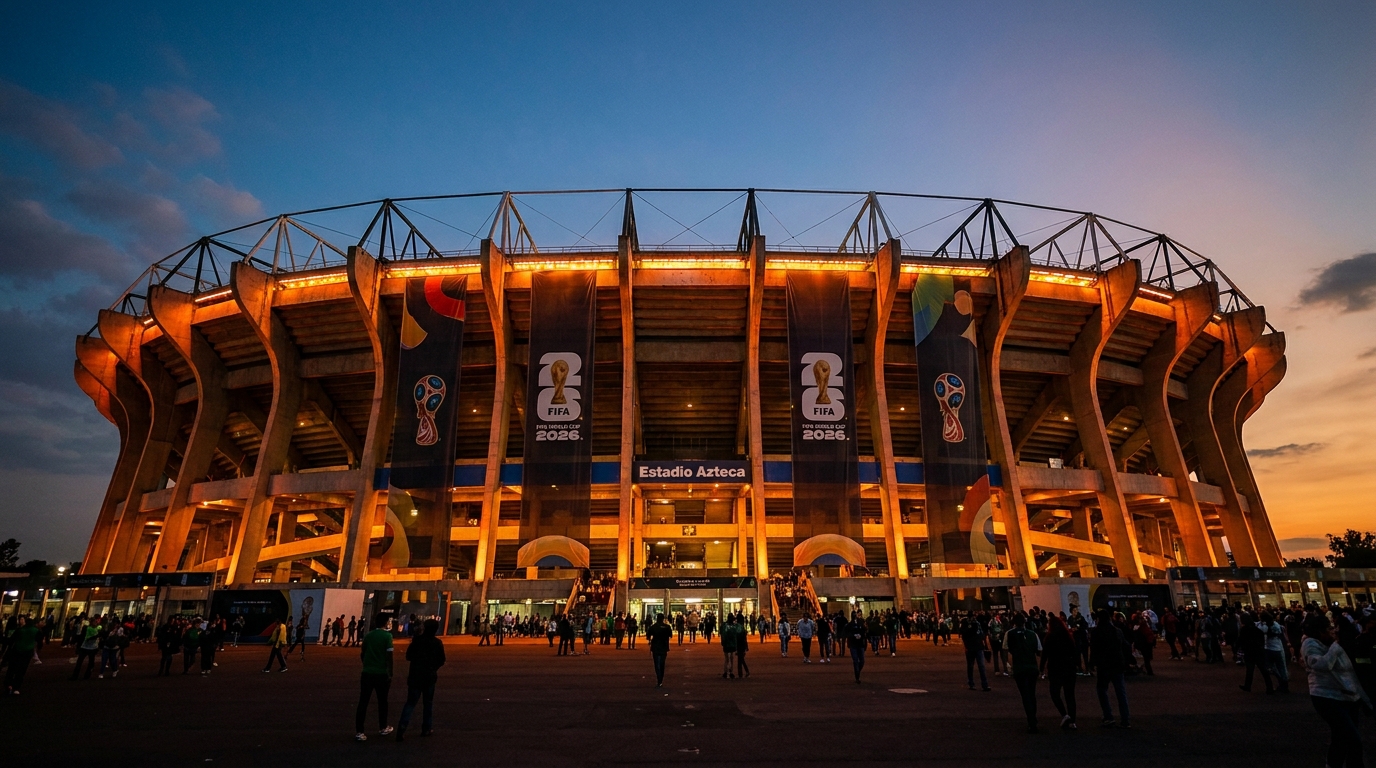
The 2026 FIFA World Cup mobilized 7.8 million domestic and international travelers across Mexico's three host cities between June 8 and July 19, 2026. The tournament delivered a total economic benefit of 65 billion pesos, according to the official balance sheet from the Ministry of Tourism (Sectur), presented on July 22 by Minister Josefina Rodríguez Zamora.
The tournament featured 13 matches in Mexico City (Estadio Azteca hosted five), Guadalajara (four), and Monterrey (four), generating 130,900 direct jobs across the three host cities. Of the total 65 billion pesos in economic benefit, 42,276 million pesos correspond to tourism revenue, equivalent to $2,412 million USD, according to the same Sectur report. Pre-tournament projections cited by La Jornada estimated 5.5 million visitors and 24,000 direct jobs; final figures exceeded both targets by a wide margin.
By host city, Mexico City concentrated 4.4 million travelers and generated tourism revenue of 25,865 million pesos, a 41 percent increase compared to the same period in 2025. Guadalajara received 2.3 million travelers with tourism revenue of 11,411 million pesos. Monterrey added 1.1 million travelers and 5,000 million pesos, marking a 21 percent increase over 2025.
Hotel occupancy averaged 66 percent across the three host cities, a 13 percentage point increase over 2025, and reached between 85 and 90 percent on match days. Accommodation rates rose by an average of 51.5 percent. Airports in the three cities handled 6.4 million passengers, of which 2.2 million were international. Restaurant sales grew between 50 and 80 percent, with an average ticket increase of 60 percent. The FIFA Fan Fest attracted over 6.7 million attendees across the three host cities.
Sectur's balance confirms that all three host cities exceeded their original projections for travelers, revenue, and employment. The data establishes a baseline of indicators for planning future sporting events in the country.
This article was drafted with artificial intelligence assistance from verified sources and reviewed by a human editor before publication.
Fuentes: