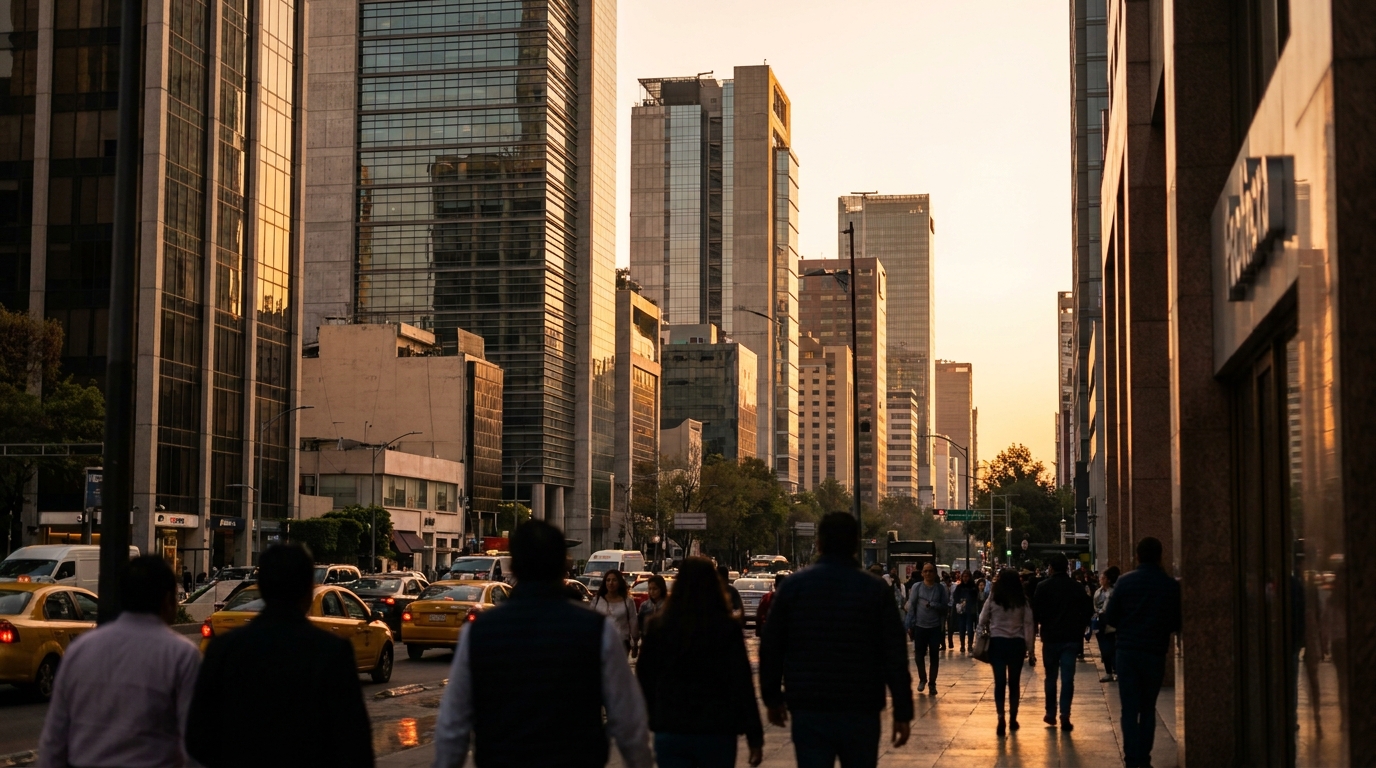
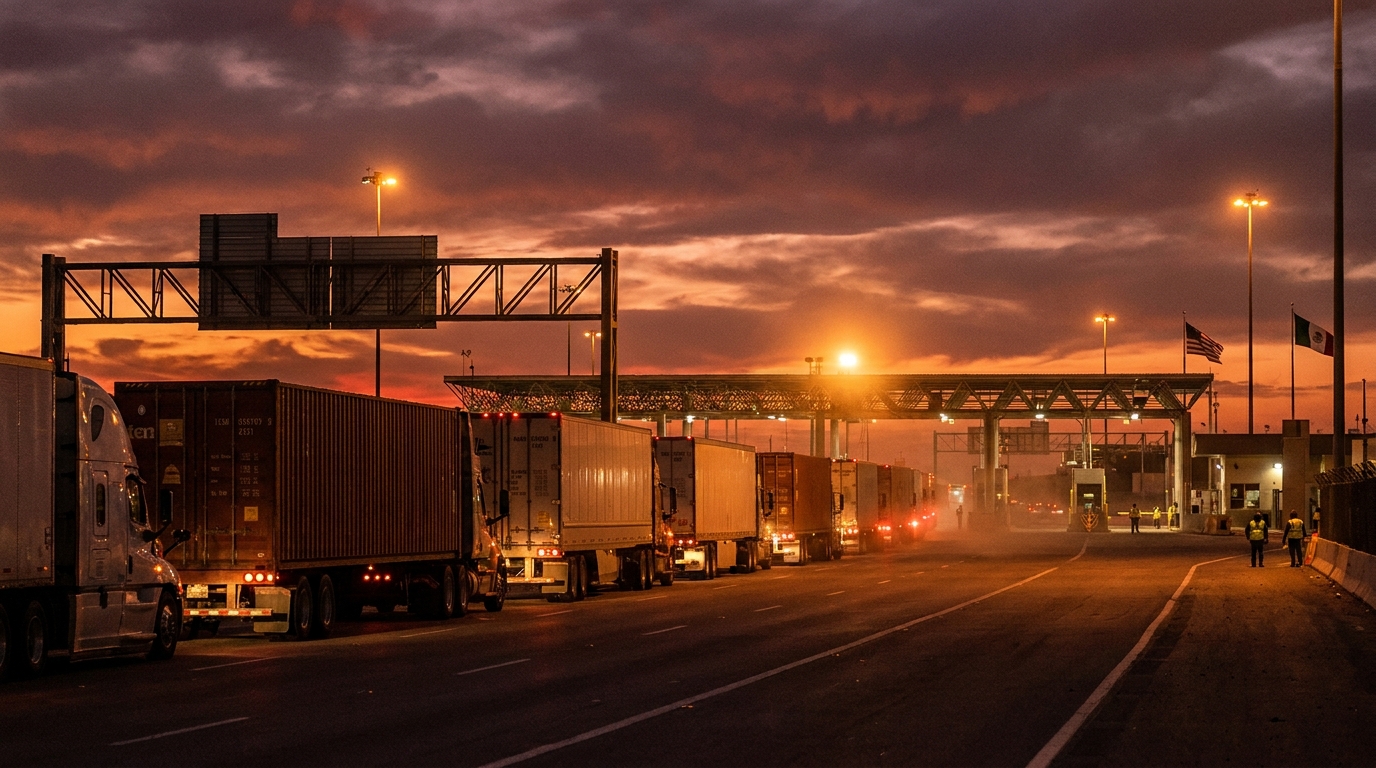
Washington's negotiators arrive in Mexico City for the third round of the review of the United States-Mexico-Canada Agreement (USMCA), running July 21-23. Mexico's private sector estimates the final outcome will take until late 2026 or 2029, depending on the U.S. electoral calendar.
The joint USMCA review was triggered by the treaty's sunset clause. President Claudia Sheinbaum's government seeks to use this 2026 round to set long-term rules, rather than triggering annual renegotiations. On the U.S. side, President Donald Trump's administration favors extending the agreement for 10 years, but subject to periodic reviews. For Mexico, the USMCA sustains millions of jobs and provides the framework that gives certainty to the manufacturing, automotive, and agricultural industries exporting to North America.
U.S. Trade Representative (USTR) Jamieson Greer and Economy Secretary Marcelo Ebrard lead the delegations meeting from July 21. On the table are steel and aluminum, automotive sector rules of origin, economic security, labor issues, agriculture, and electronic payment services, according to El Financiero. Washington acknowledged Mexican progress on dual-use export controls, pharmaceutical patent protection, combating online piracy, and modernization of the single foreign trade window.
In statements reported by El CEO, CCE President José Medina Mora outlined two scenarios for the outcome: that the picture clears after the U.S. midterm elections in November 2026, or that a resolution is deferred until 2029 with a new U.S. administration. Medina Mora stressed that, despite the uncertainty, trade flows have not stalled. Specialists cited by El Financiero noted that the treaty's main asset is not tariffs but certainty: around 70% of Mexico's exports to the United States are industrial inputs operating under a co-production system.
If no agreements are reached this week, negotiations will continue in September. The outcome will define the planning horizon for companies trading in the region: the difference between clear rules for a decade or an annual review cycle.
This article was written with artificial intelligence assistance based on verified sources and reviewed by a human editor before publication.