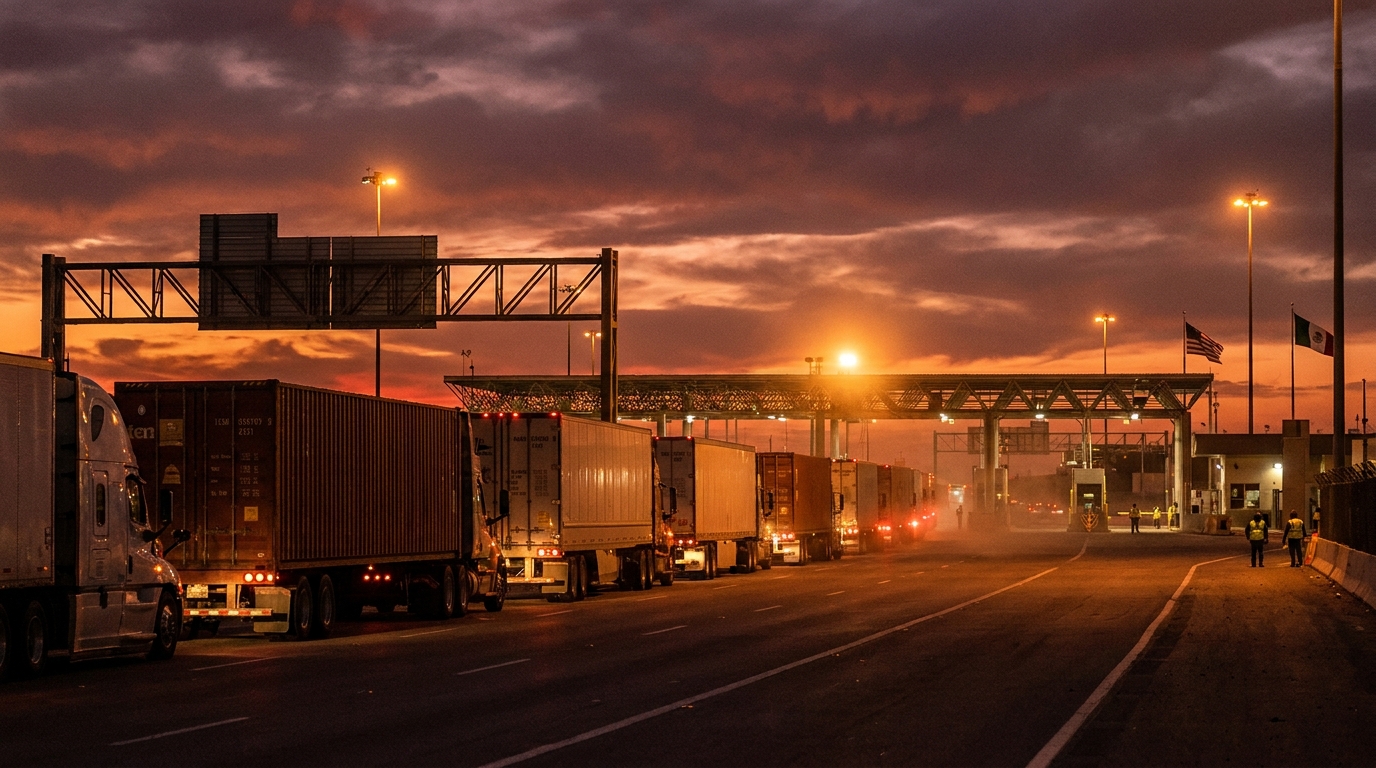
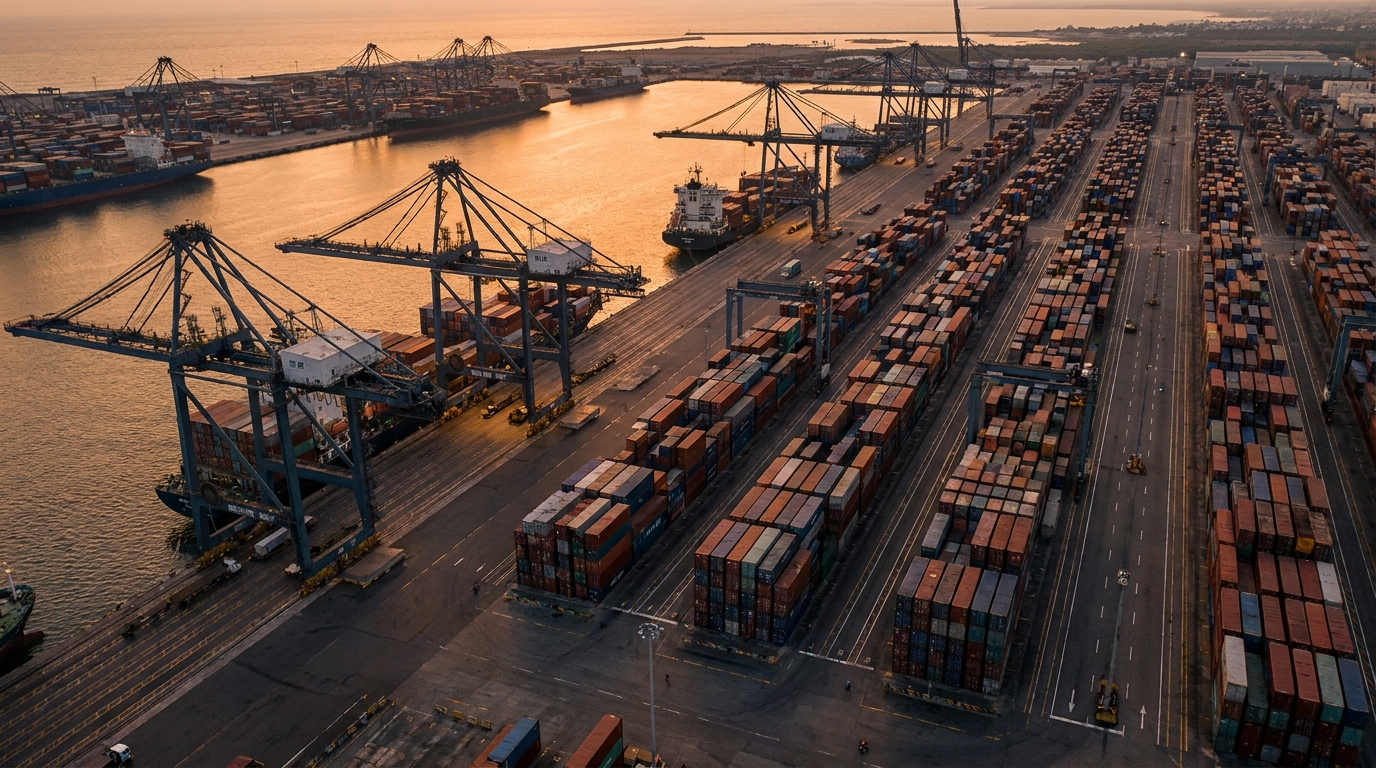
Between January and May 2026, Mexican imports from countries without free trade agreements fell 23.2% year-on-year, dropping from $15,383 million to $11,808 million, according to Banco de México data processed by El Financiero. The tariff measure, in effect since December 2025, covers 1,463 tariff lines and has its greatest impact on goods originating in China.
The trade adjustment comes as USMCA renegotiations advance. During the third round of negotiations, recently held in Mexico City, the U.S. government raised concerns over the potential use of Mexico as a transshipment platform for Asian goods destined for the U.S. market, according to El Imparcial. President Claudia Sheinbaum's administration has framed the tariffs as a demonstration of Mexico's commitment to its regional trading partners.
By country, the steepest contraction was recorded in shipments from China, which fell 28.4%, dropping from $10,099 million to $7,228 million. Taiwan followed with a decline of 32.7%, Brazil with 29.6% on transactions outside the Economic Complementation Agreement, South Korea with 21.9%, India with 12.3%, and Thailand with 6.3%.
By sector, auto parts posted the most significant reduction, falling 39.5%, equivalent to $909 million. Light vehicle imports dropped 29.7%, steel products fell 30%, footwear fell 37.9%, and trailers and semi-trailers fell 54.5%.
In the automotive sector, imports of Chinese-brand vehicles fell 43% in the first five months of the year following the imposition of a 50% tariff on those products. However, Chinese brands' market share rose from 14% in the first half of 2025 to 17% in the same period of 2026, with 137,525 units sold, according to figures cited by El Imparcial. The increase is attributed to inventory accumulated by dealers before the tariffs took effect.
Regional rules of origin remain one of the central issues in the USMCA renegotiation, whose third round concluded this month in Mexico City. The outcome of those conversations will determine the scope of Mexico's commercial flexibility with Asia in the years ahead.
This article was written with artificial intelligence assistance from verified sources and reviewed by a human editor before publication.