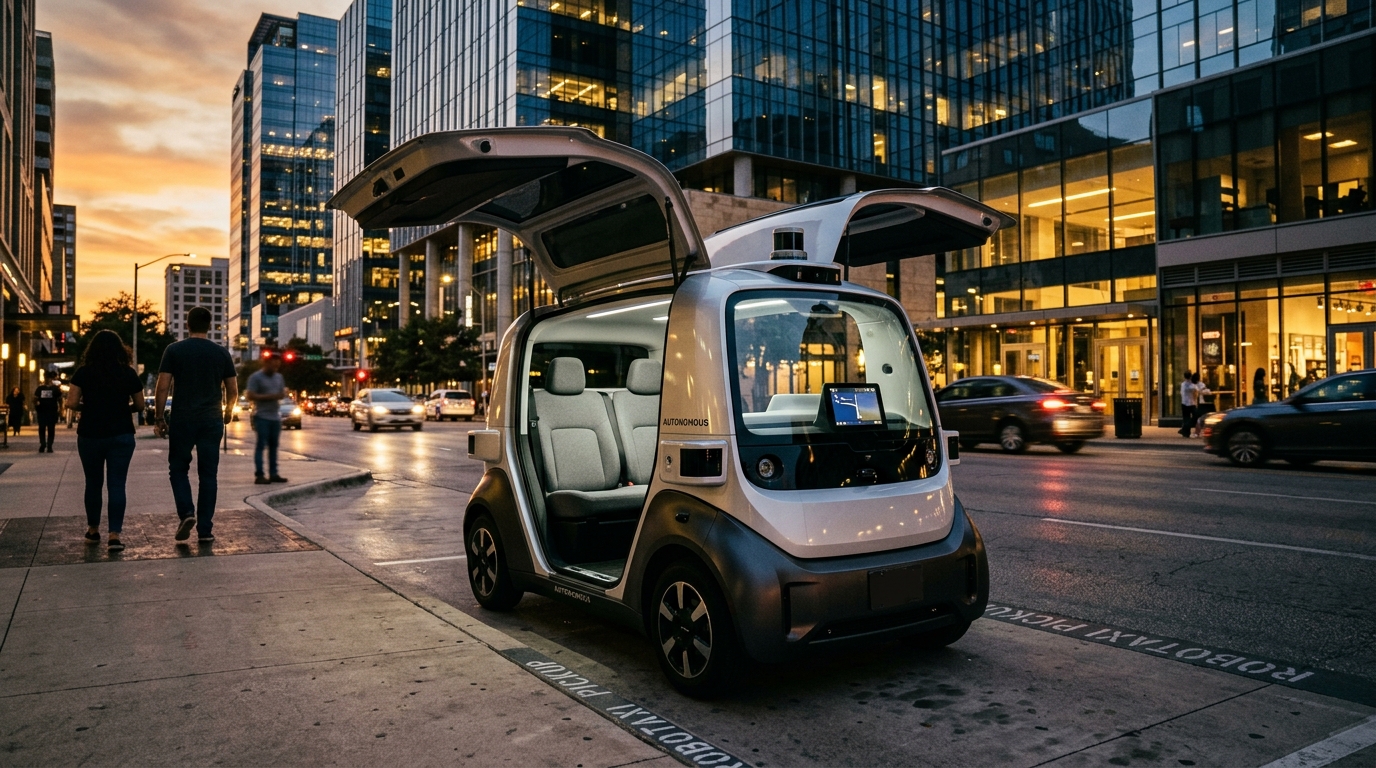
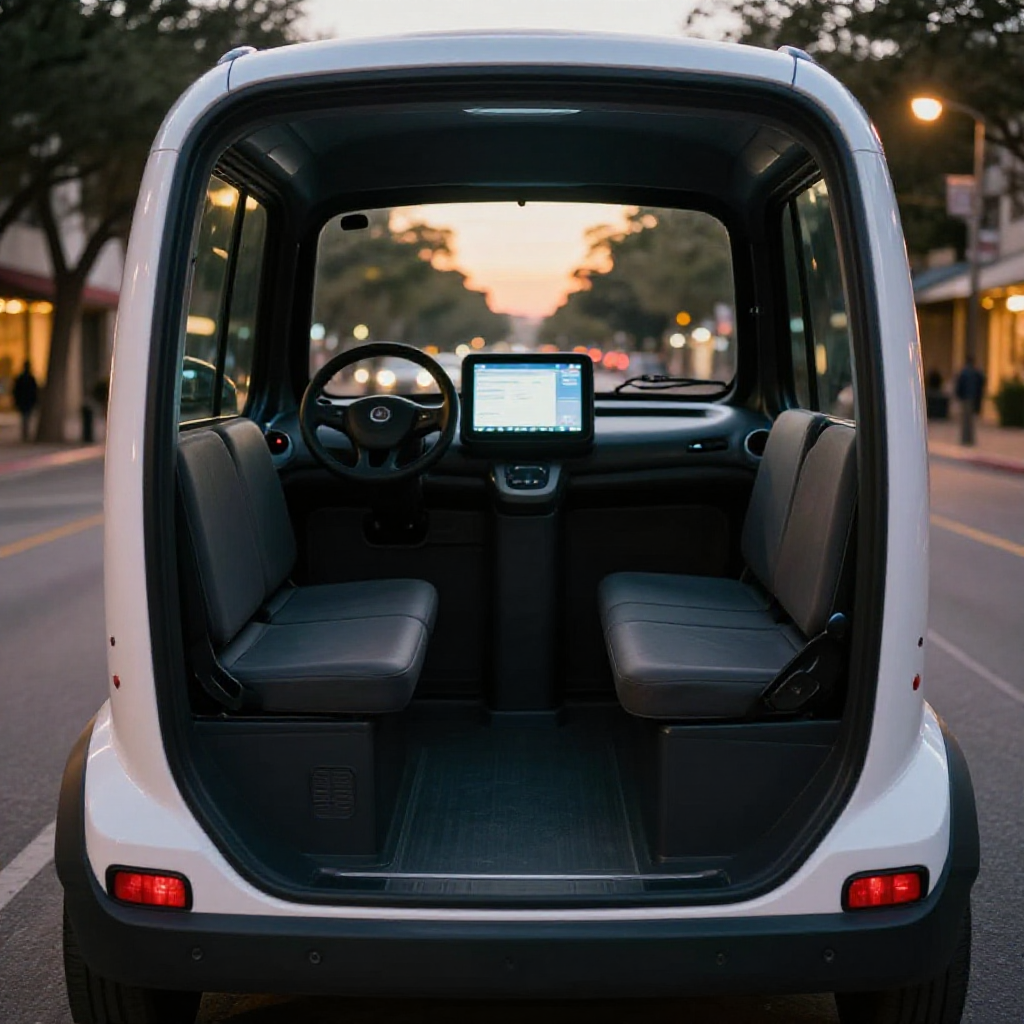
The National Highway Traffic Safety Administration (NHTSA) opened an investigation into Tesla on Friday, September 4, hours after the manufacturer deployed its first Cybercab robotaxis on the streets of Austin, Texas. The regulator is reviewing how the company certified that a vehicle with no steering wheel or pedals complies with federal safety standards, in an audit that, according to Reuters, covers approximately one thousand units.
The inquiry comes two days after the commercial launch of the Cybercab service in Austin. Federal vehicle safety standards require manual controls such as a brake pedal, and the Department of Transportation recently proposed eliminating that requirement for vehicles designed to operate without a driver. The case carries implications for Mexico because the regulatory framework the United States establishes for autonomous vehicles typically serves as a regional benchmark, and Tesla maintains a broad customer base in the country.
According to TechCrunch, the agency said it is opening the inquiry to examine the process and technical data Tesla relied on when certifying the Cybercab and related matters. It will also review the extent to which that certification depended on treating certain federal standards as inapplicable to the vehicle. Tesla informed the NHTSA that it self-certified the Cybercab's compliance with federal standards, a common mechanism in the automotive industry. The case has a direct precedent: in 2022, Zoox, an Amazon subsidiary, self-certified a robotaxi with no traditional controls and the agency launched the same audit, halting its path to commercial operations. Zoox received a temporary exemption in July 2026 allowing it to add 2,500 vehicles per year and currently charges fares in Las Vegas.
Whether Tesla will face an equally lengthy process remains an open question. Zoox navigated the regulatory review across two federal administrations, and the next step now rests with the agency, which must determine whether the Cybercab's certification holds up to scrutiny.
This article was drafted with artificial intelligence assistance from verified sources and reviewed by a human editor before publication.