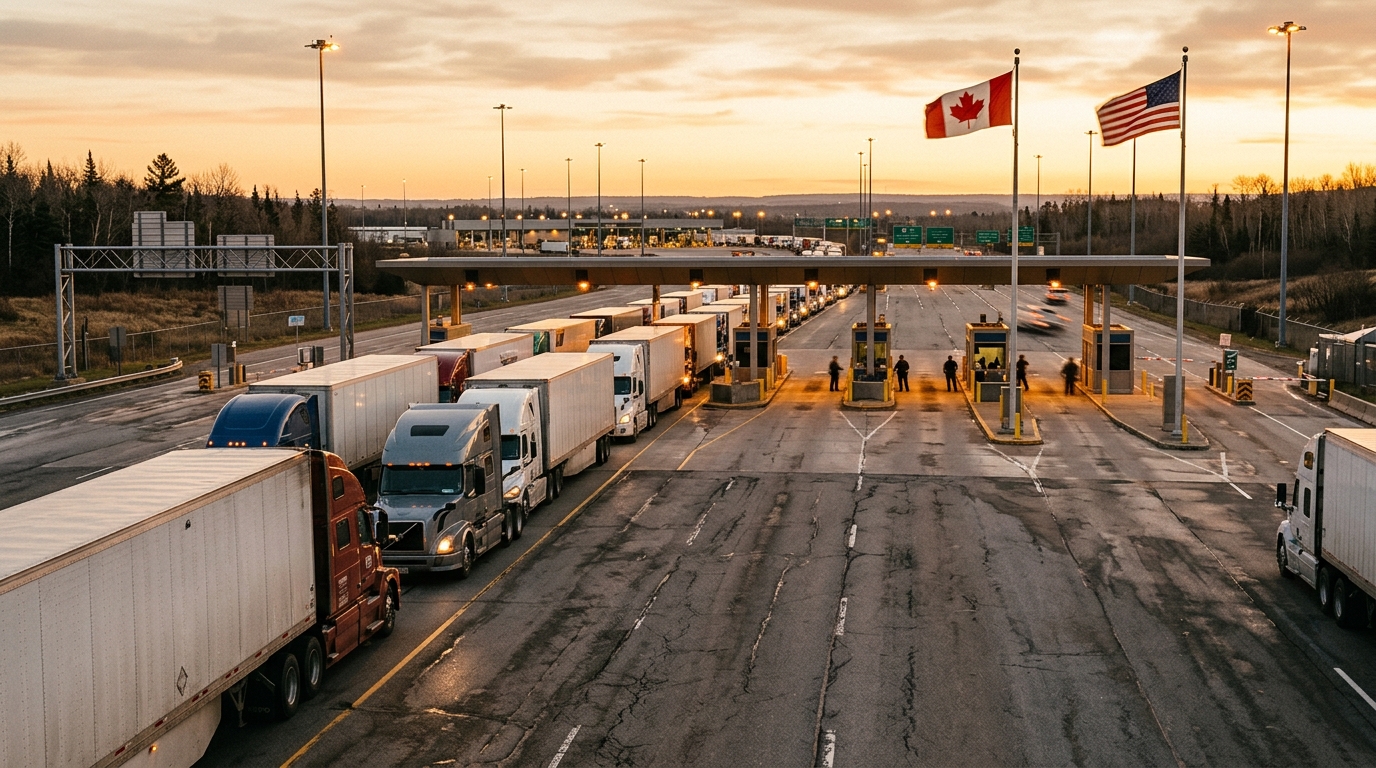
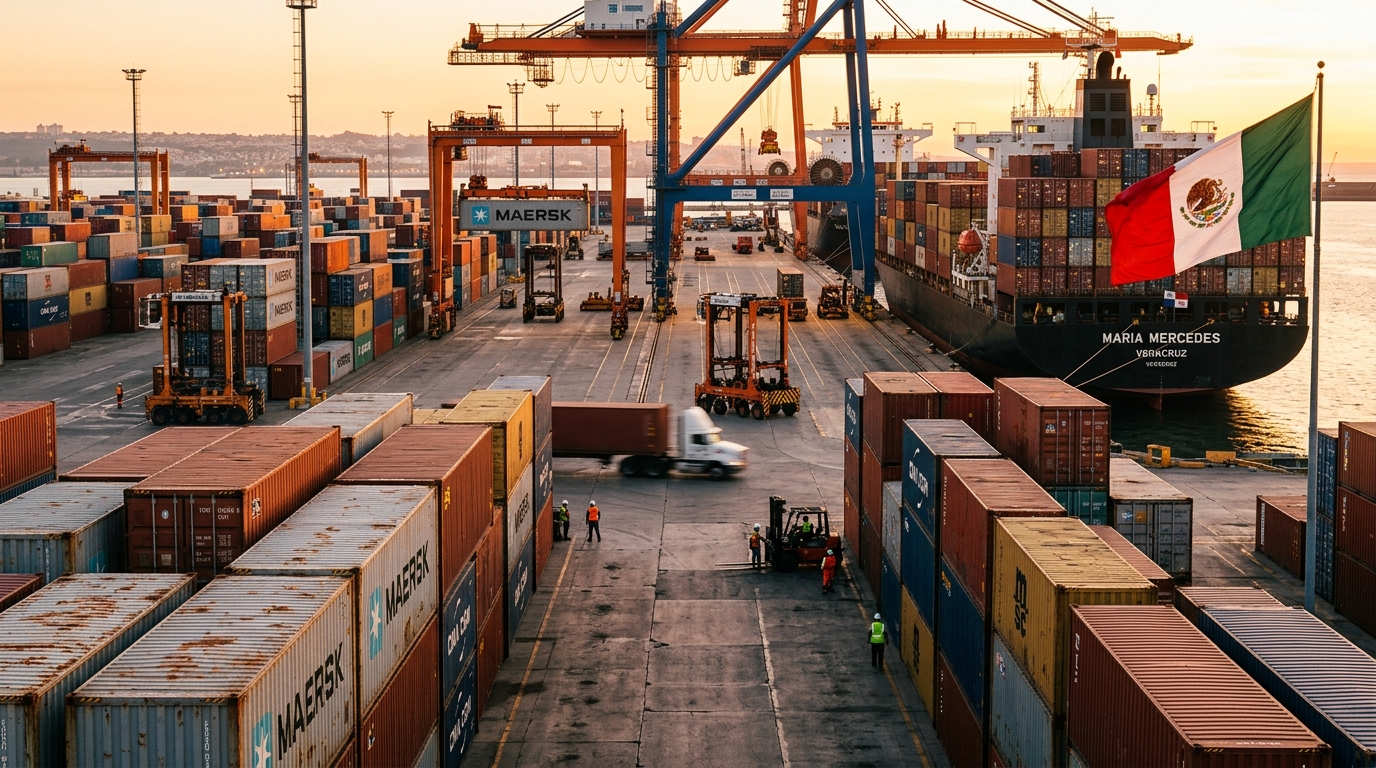
The United States imposed 50 percent tariffs on some $20 billion worth of Canadian goods on Saturday, August 22, according to AP. Mexico, meanwhile, keeps roughly 85 percent of its exports to the U.S. market tariff-free, according to an analysis by Enrique Quintana published today in El Financiero.
Washington's move came after Canada walked away from the negotiating table on Friday, August 21. Ottawa responded with dollar-for-dollar retaliation set to take effect on September 8, targeting steel, dairy, appliances, agricultural equipment, pulp, paper, and electronics, according to AP. Prime Minister Mark Carney said Washington demanded too much and offered too little, while U.S. negotiator Jamieson Greer accuses Ottawa of walking back agreed commitments, according to El Financiero. What matters for Mexico, Quintana warns, is that the United States applied tariffs even to goods that comply with USMCA rules of origin: treaty compliance no longer guarantees preferential access on its own.
Economy Secretary Marcelo Ebrard estimates that roughly 85 percent of Mexican exports continue to enter the United States at zero tariff under the USMCA, according to El Financiero. Canada has just demonstrated that this protection can be pierced unilaterally. The U.S. trade deficit with Mexico reached $203 billion in the twelve months through June, according to the Census Bureau, and is still growing. Quintana contrasts the two strategies: Canada retaliated starting in 2025 and today faces tariffs and a suspended negotiation; Mexico negotiated issue by issue, avoided retaliation, and expects a fourth negotiating round in September. The demands Washington placed on Canada, including higher U.S. content requirements and stricter rules of origin, preview part of the USMCA review agenda, Quintana warns.
For Mexico, the lesson is that preferential access to the U.S. market has ceased to be a right earned through rule compliance and has become a politically revocable concession, Quintana warns, calling this advantage the "Mexico premium." The fourth negotiating round scheduled for September and the USMCA review will test how long it lasts.
This article was drafted with artificial intelligence assistance from verified sources and reviewed by a human editor before publication.