The International Energy Agency (IEA) gave a positive assessment of Mexico's critical minerals law, finding that the reforms "promote the generation and retention of value, both at the national level and across the North American region," according to the Global Critical Minerals Outlook 2026. The IEA's assessment arrives as China controls 92 percent of global rare earth refining, according to BNamericas data.
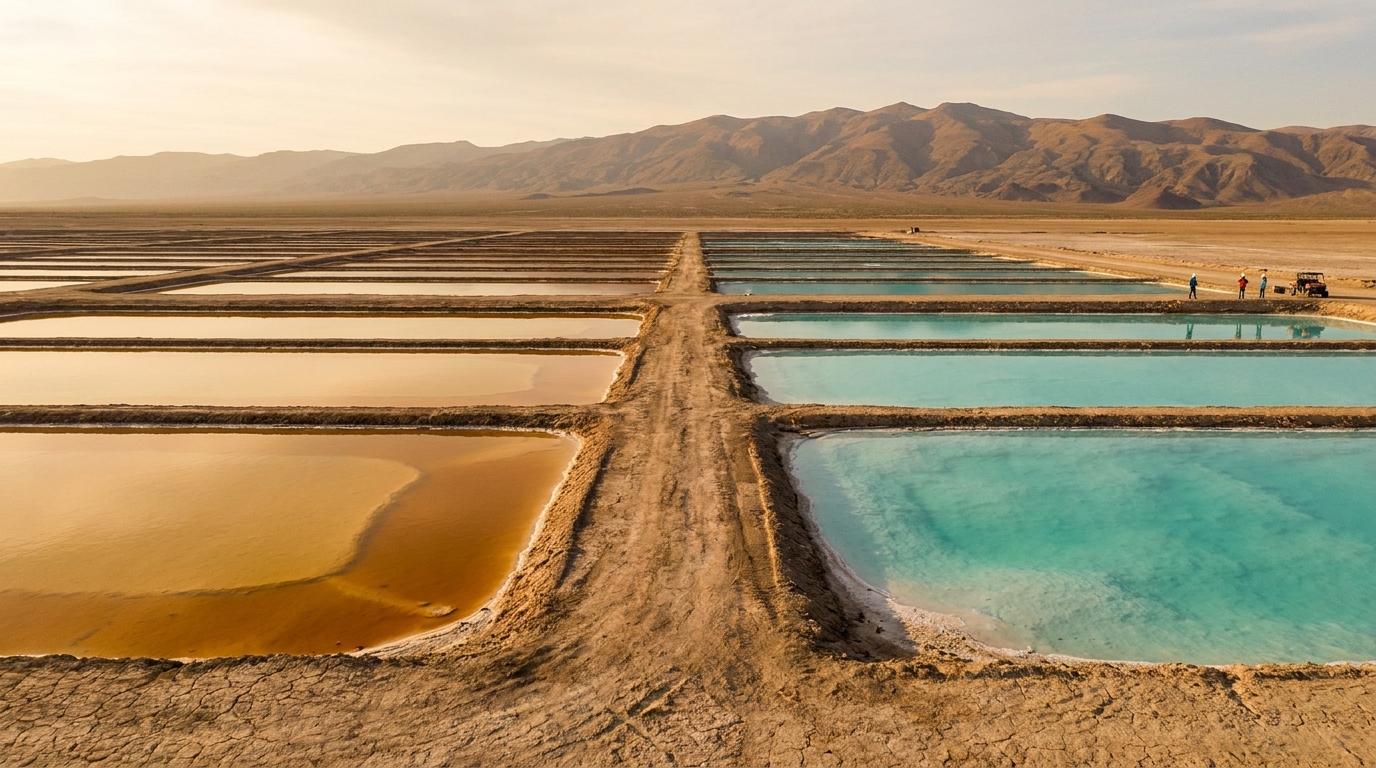
Latin America holds 40 percent of the world's copper reserves and 60 percent of its brine lithium reserves, yet faces significant challenges competing in the refining of these minerals, according to BNamericas. As reported by La Jornada, the IEA noted that countries in Latin America and the Caribbean are designing specific critical minerals strategies and updating their regulatory frameworks to attract investment and integrate into global supply chains. The Mexican reform, which dates from May 2023, establishes that all critical minerals are strategic and sovereign resources, with stricter environmental and social requirements than those under the previous mining law. For Mexico, the IEA's recognition represents backing for its bid to develop its own processing capacity at precisely the moment when the global energy transition is driving demand for lithium, cobalt, and rare earths.
Key provisions of the 2023 reform include a requirement that all mining concessions be subject to public tender, following the prior obtainment of environmental, social, and labor permits. The law also gives domestic water consumption priority over mining use and requires that at least 60 percent of water granted under concession be recycled. It also broadens indigenous community consultation norms; communities must be consulted and, where applicable, compensated. The National Development Plan 2025-2030 complements these measures by promoting post-extraction processing, investment in scientific and technological research, and shorter timelines for patent registration. The IEA projects that global demand for critical minerals will nearly double by 2040.
The IEA report places Mexico among the countries advancing in the right direction on critical minerals. The immediate challenge is translating the legal framework into investment in processing capacity that will allow the region to compete with Asian refining infrastructure.
This article was drafted with artificial intelligence assistance from verified sources and reviewed by a human editor before publication.