Mexico and France formalized on July 16, 2026, a Declaration of Intent on energy transition. The document was signed by Jorge Islas Samperio, Undersecretary for Planning and Energy Transition at Sener, and French Ambassador Delphine Borione, within the framework of the 200th anniversary of diplomatic relations between the two countries.
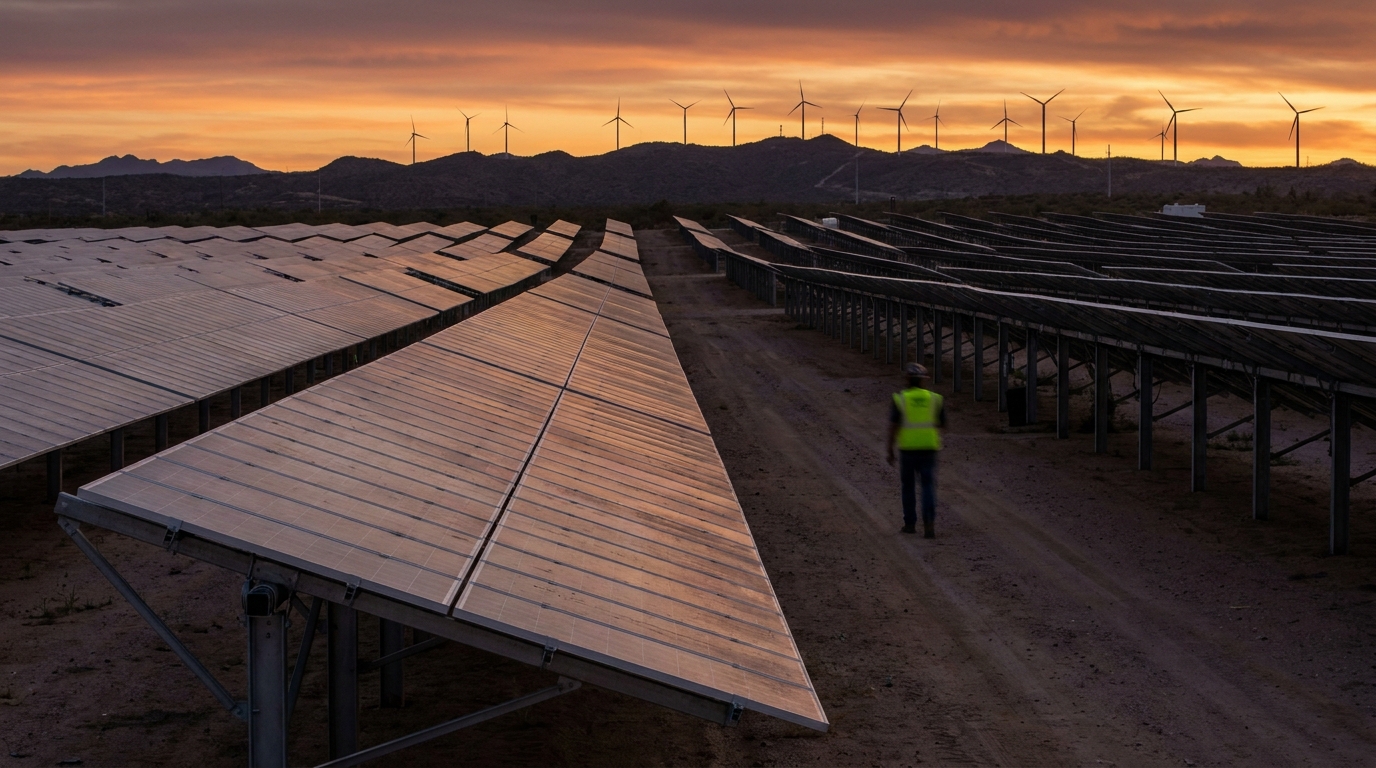
The declaration sets out a roadmap built on four pillars: the promotion of renewable energy, decarbonization of the economy, energy efficiency, and technological innovation. Under this last heading, the agreement envisions joint research and development projects between institutions, technology centers, and companies in both countries. The cooperation comes at a moment when Mexico is seeking to add 22 gigawatts of renewable generation capacity and 6 gigawatts of storage by 2030, with an estimated investment of $36 billion between 2025 and 2030, according to BNamericas. France will share its expertise in public policies for efficient energy use, industrial modernization, and the integration of clean technologies; Mexico will adapt those practices to its own energy system, according to Energía Hoy.
The Mexican government has set a target of raising the share of clean energy from 24 to 38 percent by 2030. As part of that effort, the Comisión Federal de Electricidad selected in June 2026 around three dozen solar and wind projects from the private sector under a mixed-development scheme, with an estimated value of $8 billion. More than 700 French companies currently operate in Mexico, generating around 200,000 direct jobs, giving the agreement an already-existing industrial base. The declaration also envisions the exchange of experiences in energy governance, strategic planning, and regulatory mechanisms for lower-carbon economies.
The agreement establishes no binding amounts or specific deadlines, but opens a technical cooperation channel with one of Europe's most advanced energy partners. In May 2026, the French Development Agency signed another cooperation agreement with Sener, bringing the bilateral energy relationship to two collaboration instruments within the year.
This article was drafted with artificial intelligence assistance from verified sources and reviewed by a human editor before publication.