The Attorney General's Office (FGR) rejected on July 28 that the criminal case against former Baja California governor Ernesto Ruffo Appel stems from political persecution, maintaining that the railway fuel-theft investigation rests on 96 pieces of evidentiary data gathered during a long-running progressive inquiry.
The investigation began with the discovery of 33 abandoned rail tanker cars in Ramos Arizpe, Coahuila, whose unknown contents posed a risk to the population due to high temperatures, as reported by La Jornada. A cross-referencing of data between the National Customs Agency and the SAT expanded the inquiry to San Luis Potosí and Nuevo Laredo, where tanker cars were found declaring only 10 percent of their actual contents. According to the FGR, Ruffo Appel joined the corporate structure of importer Ingemar S.A. de C.V. in October 2018, and by 2021 he appeared as a shareholder and Secretary of the Board of Directors, with participation in the company's legal representation and strategic decision-making.
A federal judge ordered proceedings against eight individuals, including Ruffo Appel, on July 23 for organized crime, smuggling, and hydrocarbon-related offenses, charges that under constitutional mandate carry mandatory pretrial detention. The hearing lasted more than 24 hours. The confirmed fiscal damage amounts to more than 100 million pesos, corresponding to 170 rail tanker cars seized in July 2025, according to Aristegui Noticias. The FGR indicated that in the first half of 2025, more than 4,000 allegedly irregular transactions were identified, with total patrimonial damage to be established in the supplementary investigation. Ruffo Appel, detained on July 16 in Ensenada and held at the Altiplano prison since July 19, filed an amparo in which his defense identifies 17 alleged irregularities during his arrest, including incommunicado detention, failure to provide medical attention, and the absence of his data in the National Detention Registry, as reported by Excélsior.
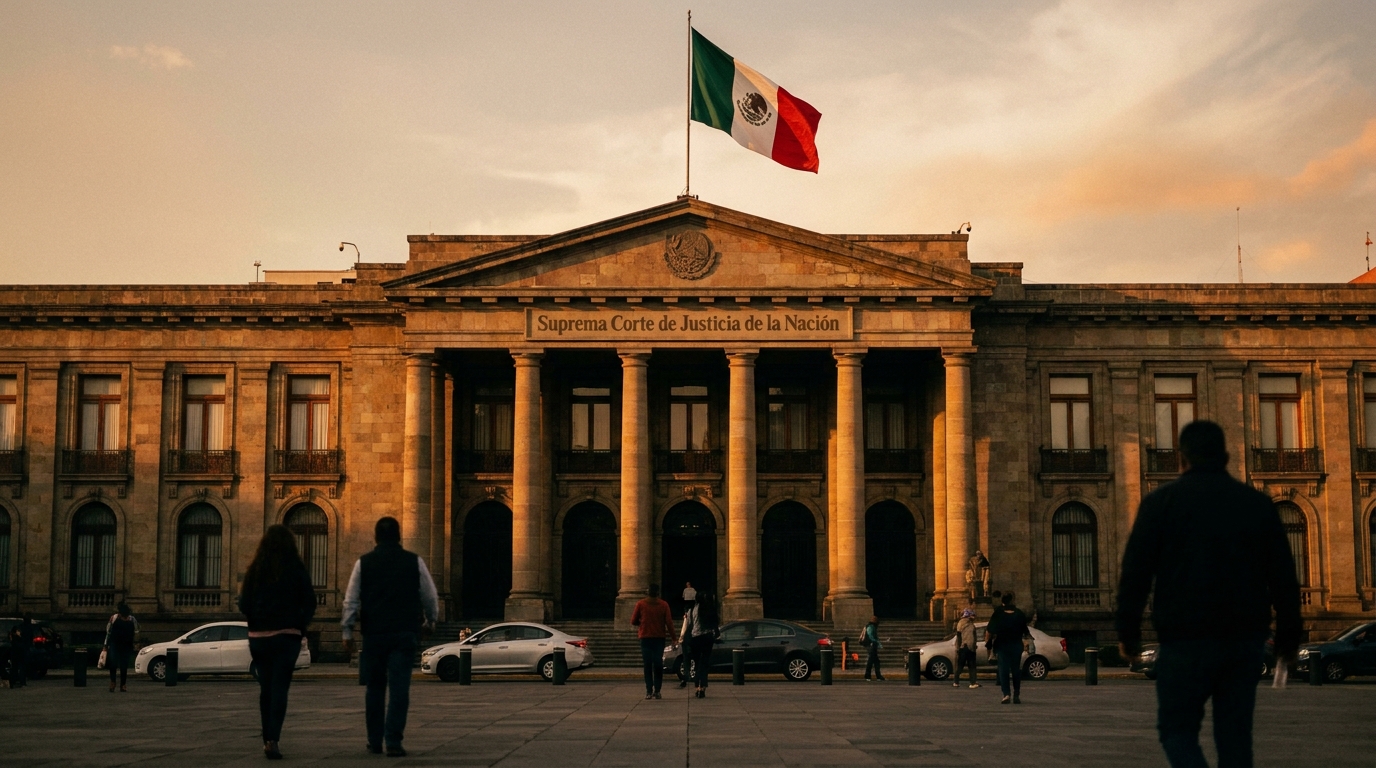
The amparo will be reviewed by a federal court, which will determine whether the authorities acted in accordance with the law. The FGR emphasized that the investigation respects due process and the presumption of innocence, and that it will be up to the tribunal to weigh the evidence, not public statements.
This article was written with artificial intelligence assistance from verified sources and reviewed by a human editor before publication.