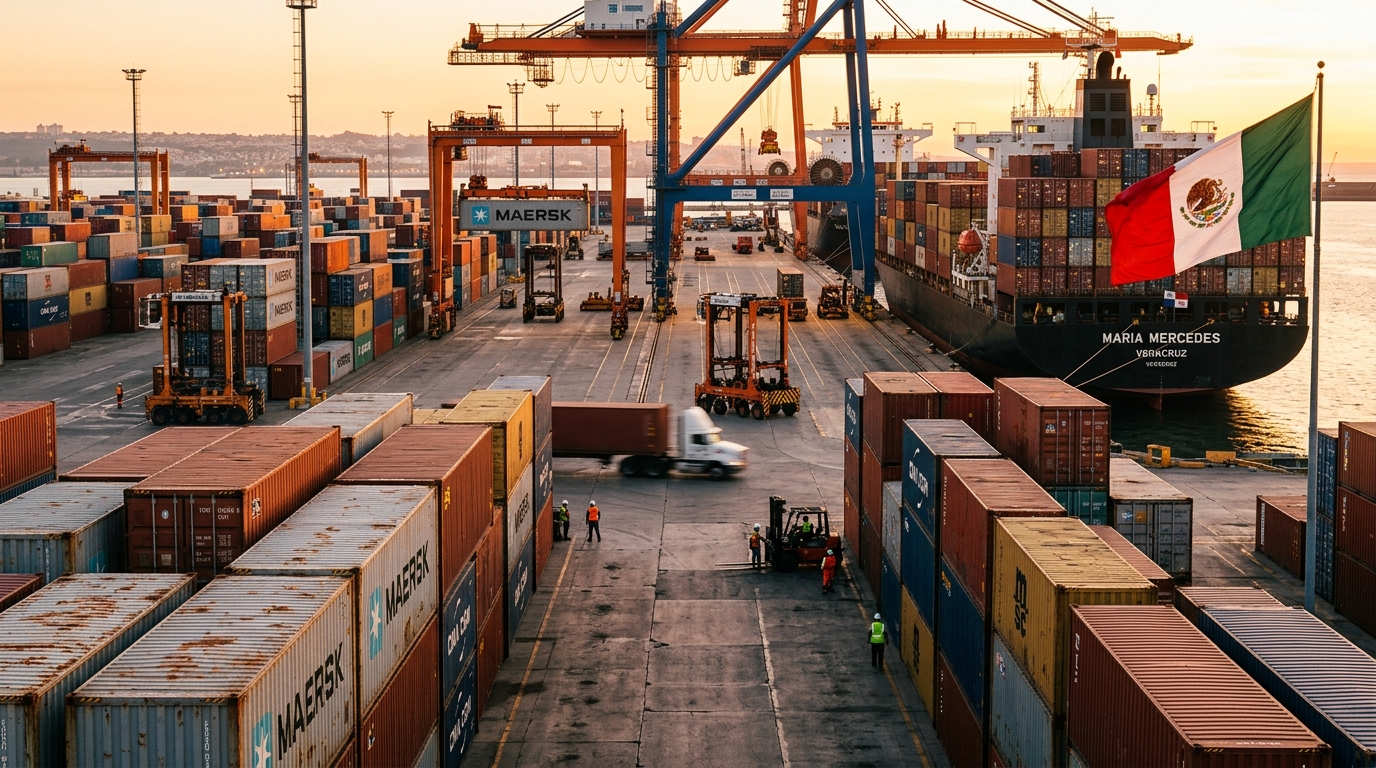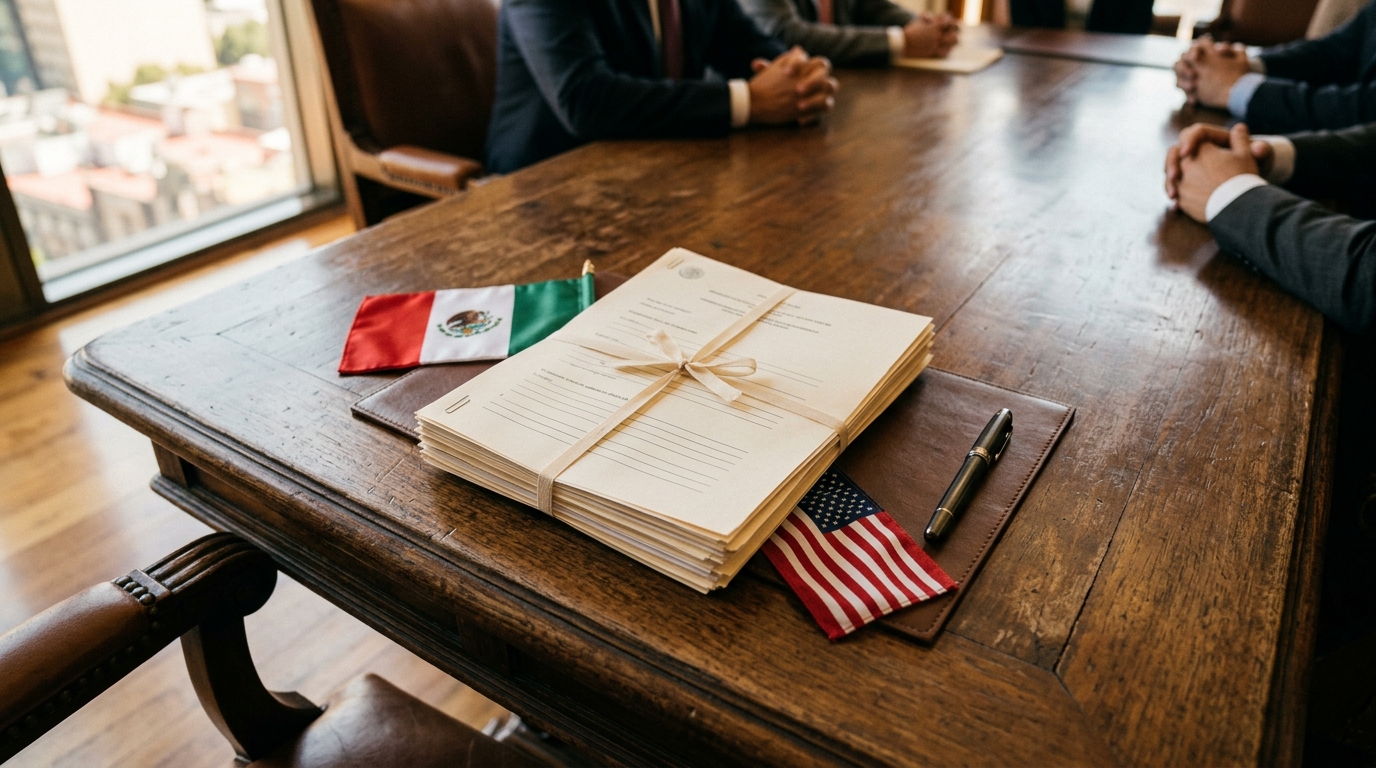
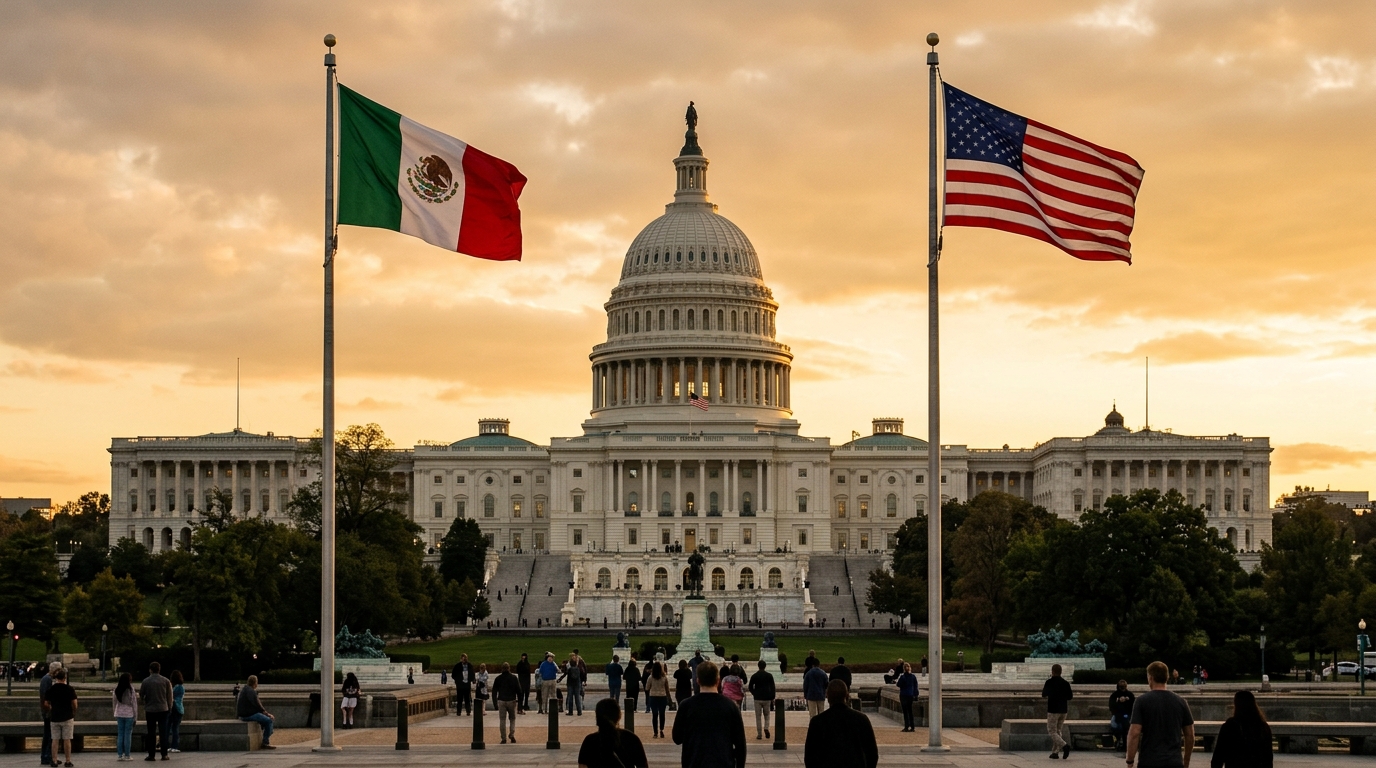
Economy Secretary Marcelo Ebrard arrived in Washington on Monday, August 24, to continue trade negotiations with the United States and seek reductions on the tariffs currently hitting Mexican exports. According to El Universal, Mexico currently faces tariffs of 50% on steel, aluminum, and their derivatives, and 25% on vehicles.
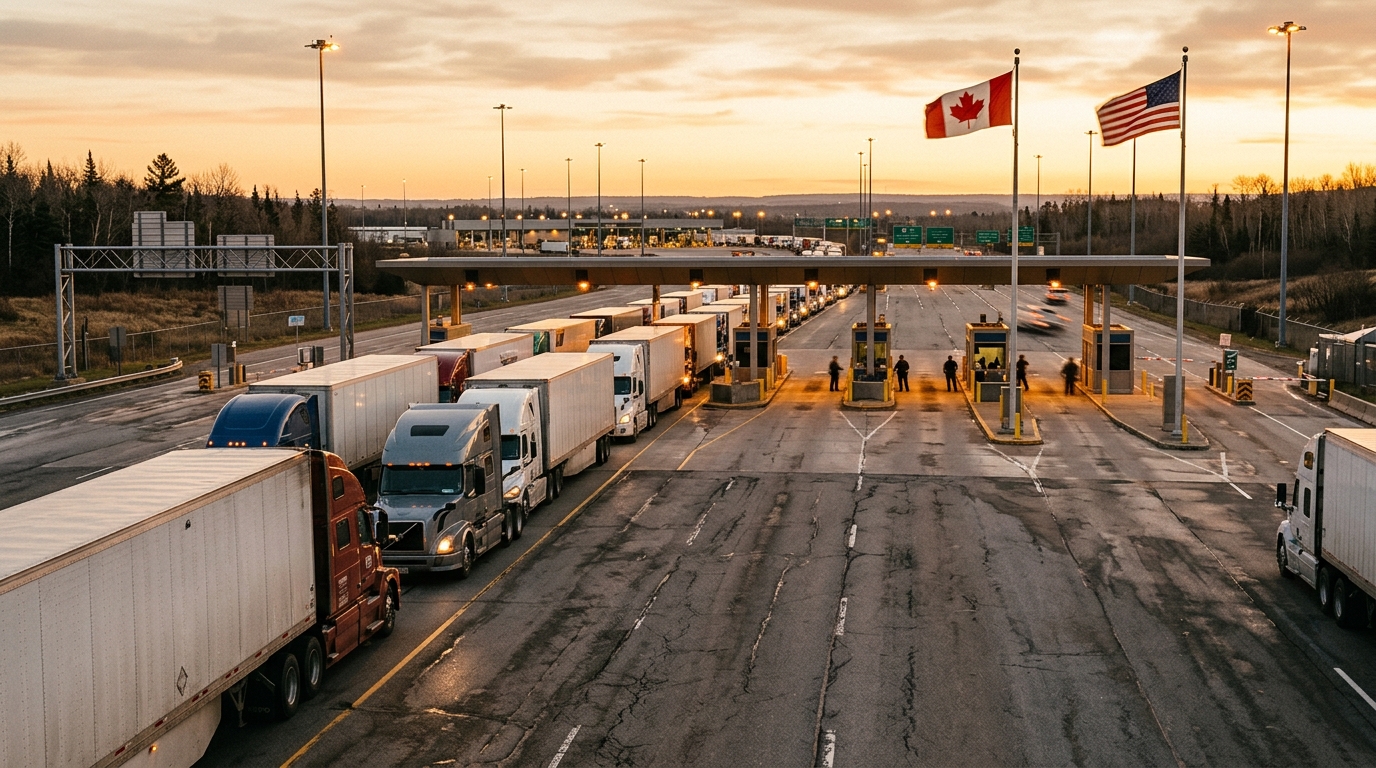
The trip comes amid the trade dispute between the United States and Canada, Mexico's partners in the USMCA, which escalated over the weekend and gives added urgency to Mexico securing favorable terms. Sheinbaum said she spoke last week with Canadian Prime Minister Mark Carney, before the breakdown in talks between Washington and Ottawa. According to La Jornada, the president stated that the priority for this week is to reduce or eliminate tariffs on steel, aluminum, and vehicle exports, and she affirmed that the country holds a favorable position: "we have the lowest tariffs in the world with respect to the United States." Exports that fall outside USMCA rules are also subject to a 10% tariff.
On his arrival, Ebrard reported on his X account that he was already in the U.S. capital "for conversations with our counterparts from the United States." Sheinbaum expressed confidence that the talks would yield results during the week and noted that the secretary would remain in Washington for several days. "We have been working for more than a year to see how these tariffs can be reduced. They have raised a series of points that, from their perspective, are not consistent with the trade agreement," she said. The president added that the United States is seeking to prevent the triangulation of goods, meaning that products from third countries should not pass through Mexico without added value to reach U.S. territory, and she highlighted that Mexican exports to that country have grown, particularly in electronics.
How the Washington talks develop over the course of this week will determine whether Mexico succeeds in reducing tariffs on steel, aluminum, and automobiles, and whether it avoids new measures. The outcome will also shape the country's position in the broader review of its trade relationship with the United States.
This article was drafted with artificial intelligence assistance from verified sources and reviewed by a human editor before publication.