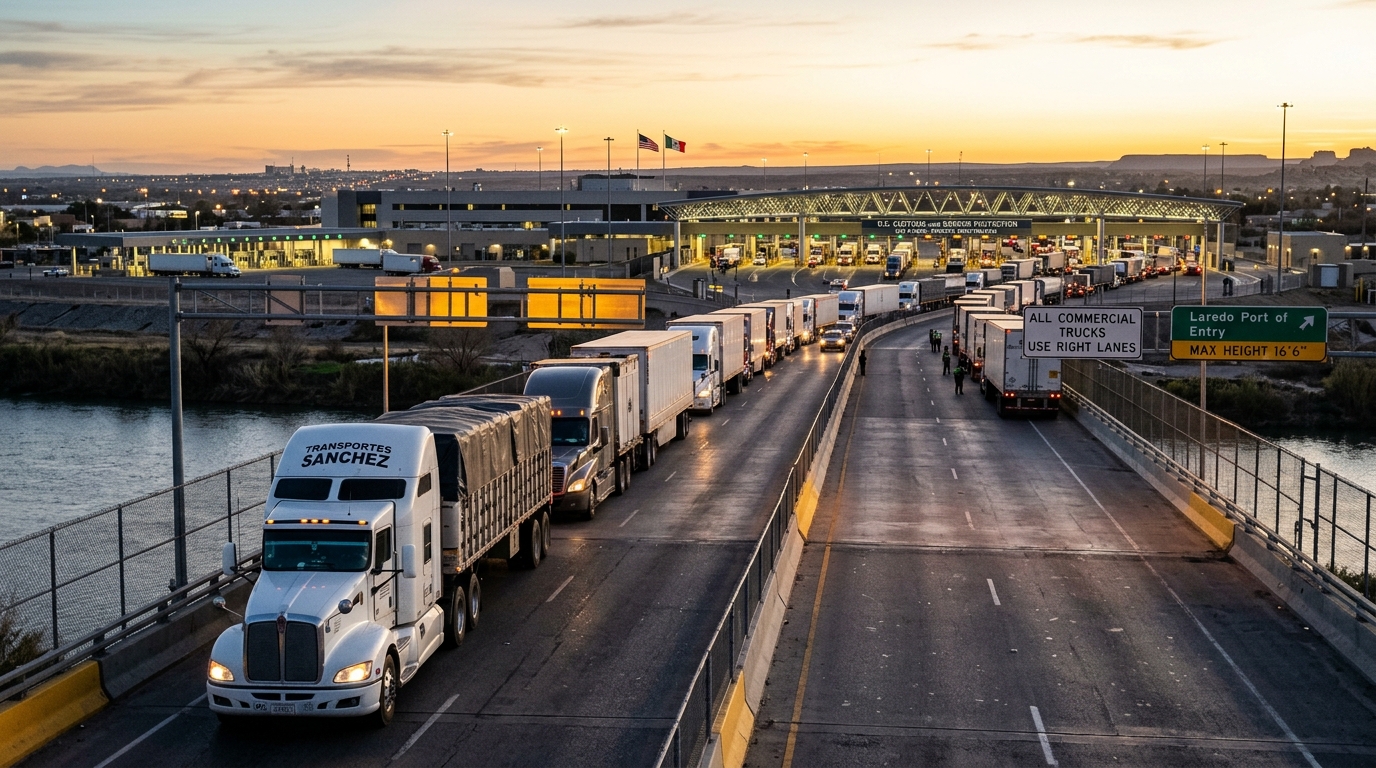
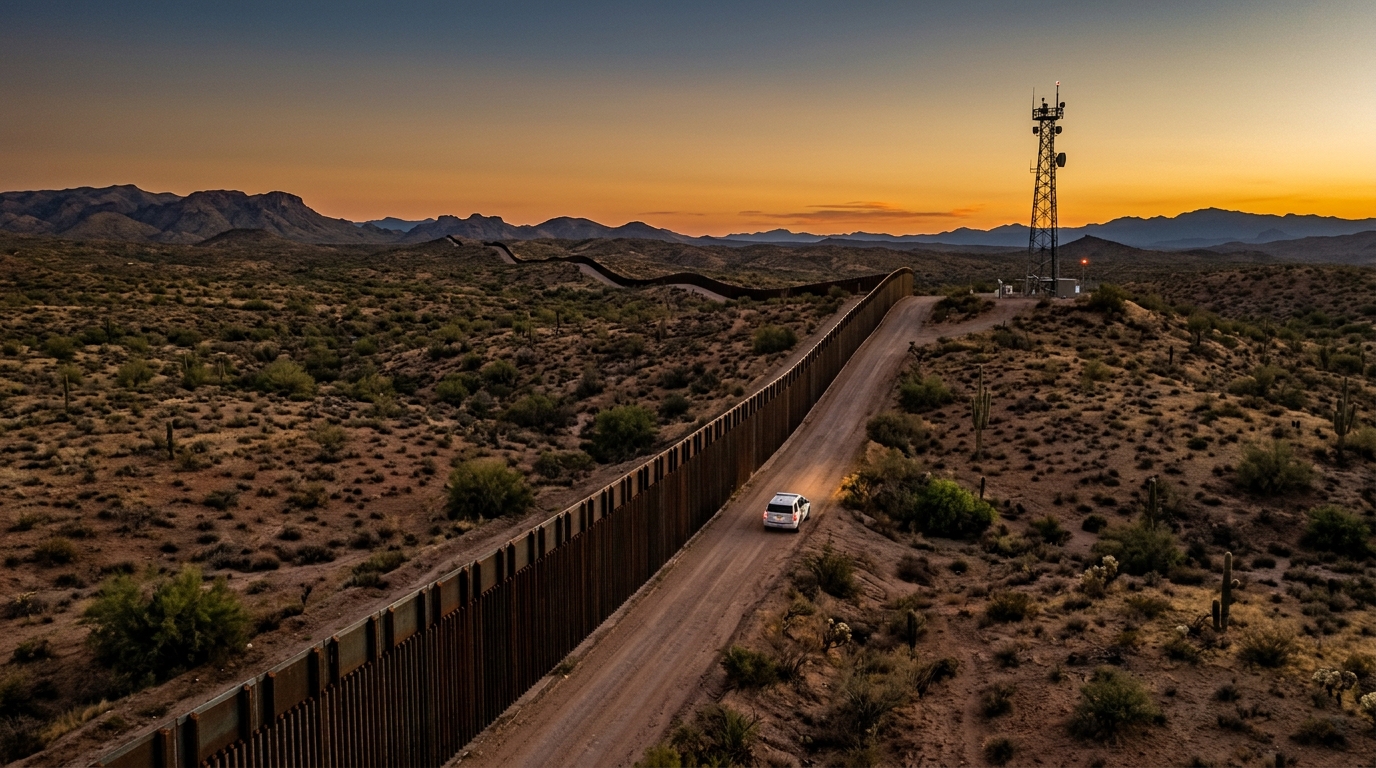
U.S. Customs and Border Protection (CBP) detected 34,682 drone flights within 500 meters of the Mexico border during fiscal year 2025, an average of 95 every day, according to data published by Expansión Política on September 21, 2026. The figure confirms that these devices are now an everyday tool of organized crime along the border strip.
The use of drones by criminal organizations has been documented since 2010, and in 2015 short flights were identified to move methamphetamine and heroin into the United States, according to the same publication. On the Mexican side, the La Jornada report of September 17, 2026 documents that on September 14 the Mexican Army detected and jammed, in the Nido de las Águilas neighborhood of Tijuana, a drone with commercial characteristics that entered national territory from the United States and was being used to monitor routes for the illicit trafficking of people. The action led to the arrest of the alleged operator and the seizure of a handgun, magazines, cartridges and a drone controller. The case forms part of the assessment of Operación Águila Alta, the binational counter-drone effort that the Mexican Defense Secretariat and CBP carry out through mirror operations, each within its own territory.
Sophistication has advanced as well. At a joint hearing of the U.S. Congress on July 9, 2024, it was disclosed that some devices can be programmed to fly a fixed route before launch, which makes the signal harder to detect. Researcher Fernanda Cardoso, of the Universidad Iberoamericana, explained that a drone costs between 3,000 and 160,000 pesos and that operating one does not require specialized personnel: "You don't need specialized people to assemble it and teach others how to use it." The Insight Crime analysis warns that the transfer of technical knowledge between criminal groups is outpacing governments' ability to contain it.
Operación Águila Alta was organized in two phases, one in March and another in September, and its evaluation continues in binational roundtables. The number to watch is whether the average of 95 daily flights reported by CBP falls in the next assessment.
This article was written with the assistance of artificial intelligence based on verified sources and reviewed by a human editor before publication.