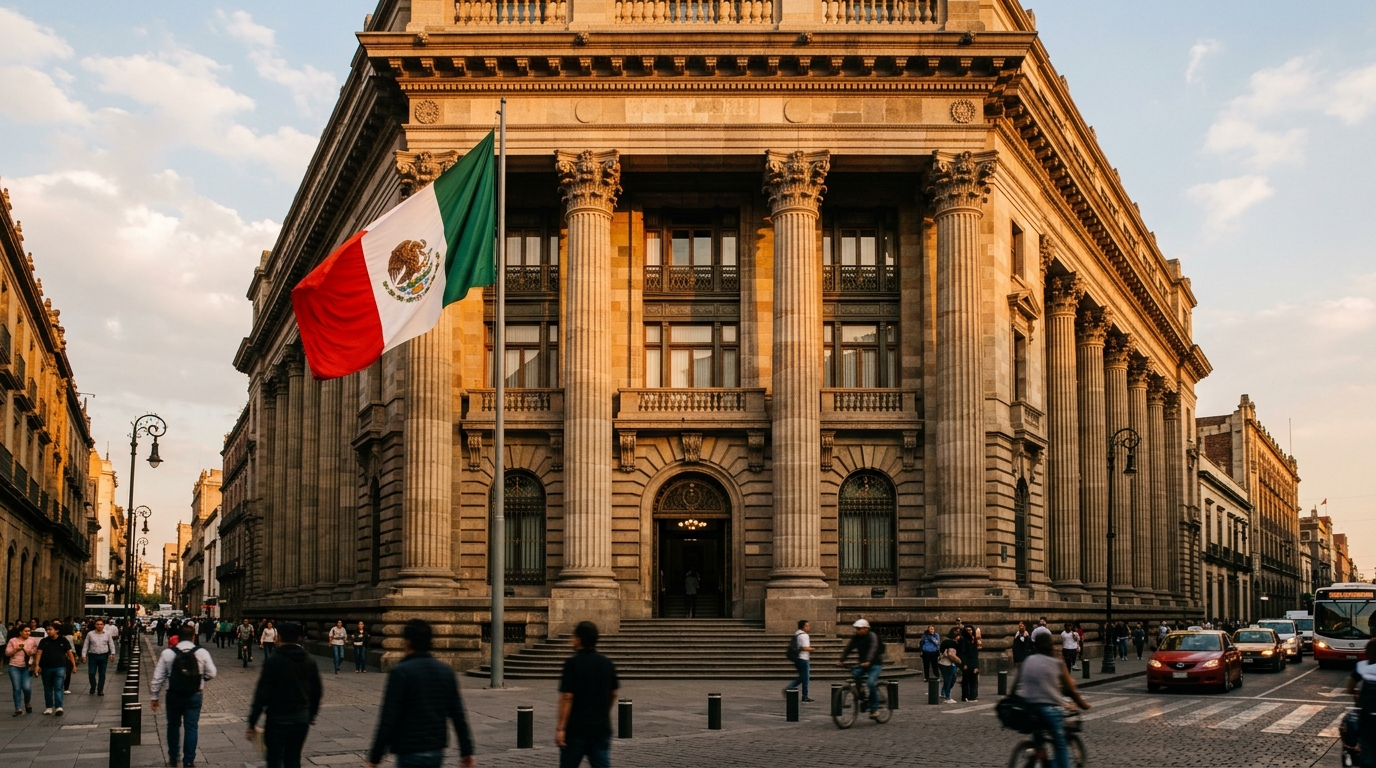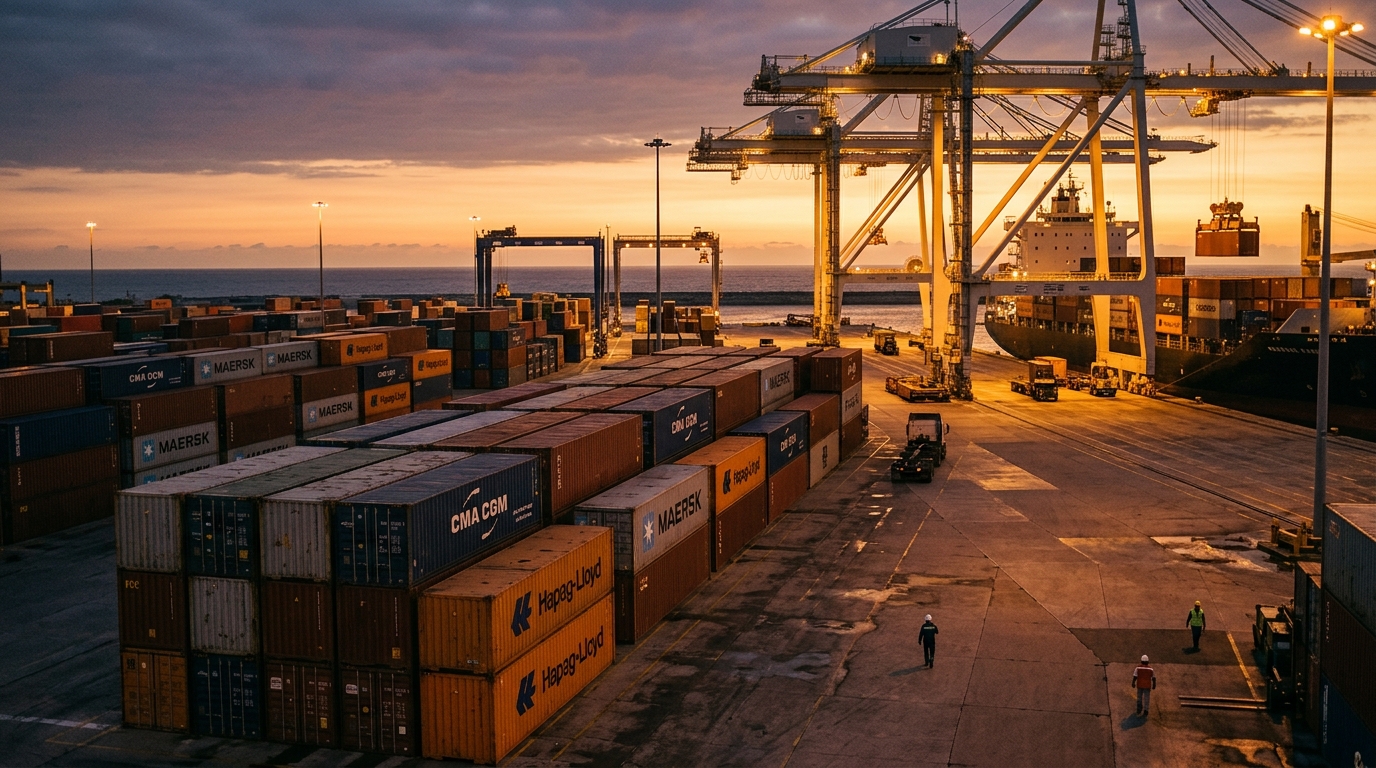
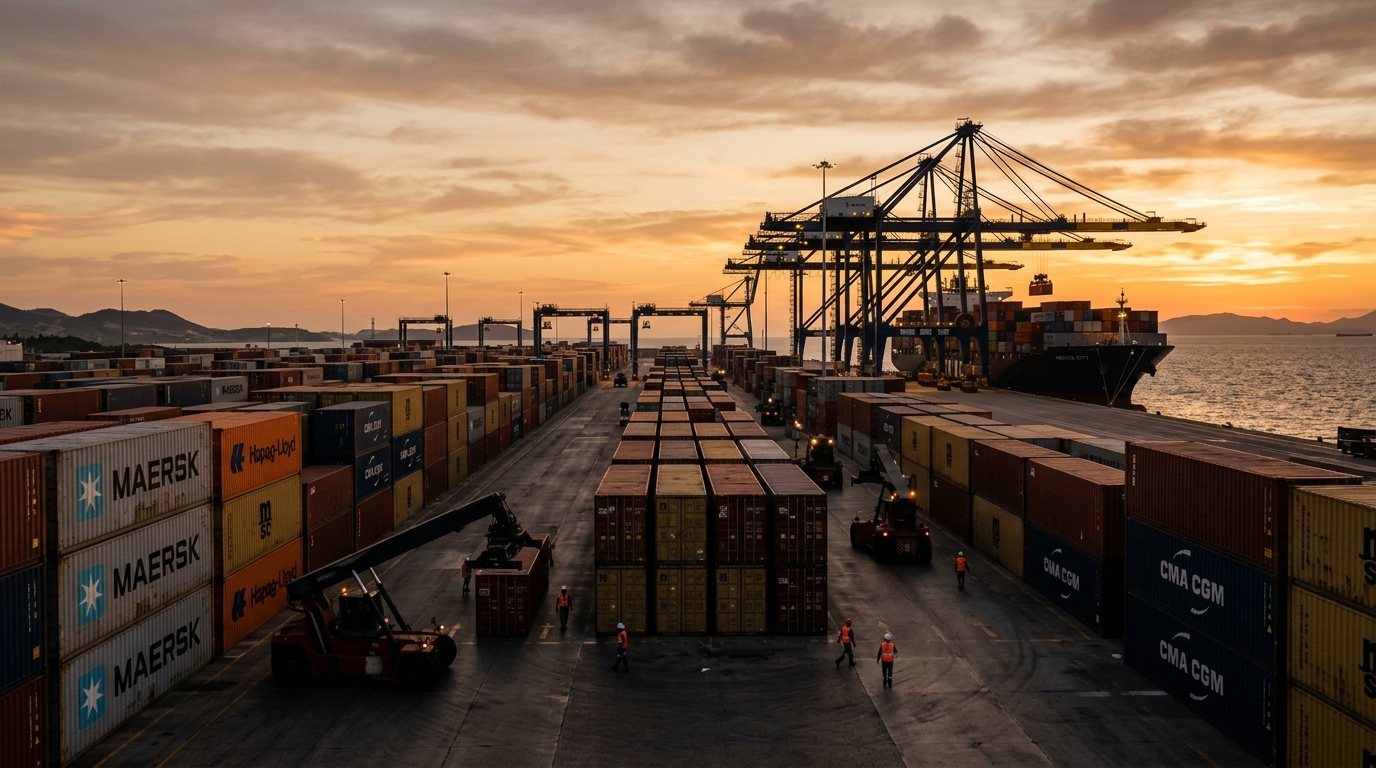
The United States-Mexico-Canada Agreement (USMCA) entered "zombie mode" on July 1, when U.S. President Donald Trump rejected renewing it for 16 years, leaving the agreement subject to annual reviews through 2036. The commercial tension between Washington and Ottawa, with mutual tariffs of up to 50%, adds further pressure to that table.
That stalemate is slowing investment decisions that depend on stable trade rules among the three countries. Between April and June, Mexico received $654 million in new investment, compared to $1,155 million in the same period of 2025, according to data from the Secretaría de Economía and the Banco de México cited by El CEO. For consulting firm Eurasia Group, the most likely scenario, with a 60% probability, is that Mexico and Canada reach separate agreements with the United States, ending a trilateral relationship that has lasted more than 32 years. The uncertainty that rules could change year after year is precisely what companies seek to avoid when committing capital.
Other scenarios from the firm include a bilateral deal between Mexico and Washington this year, at 20% probability, and continued "zombie mode" with annual reviews, at 10%. Oxford Economics warns that the risk of one of the three parties activating the termination clause with six months' notice is real, and that Mexico appears as the most exposed country, according to Michael Pearce, the firm's chief U.S. economist. In an interview with BNamericas, former USMCA negotiator for Mexico Kenneth Smith Ramos noted that the country is in no hurry to close a deal: the deadline is 2036 and, if an agreement is reached in a later year, the treaty would be relaunched for another 16 years. Smith suggested waiting for the November midterm elections in the United States and negotiating "with a cool head."
The next milestone, according to Smith, lies in the November midterm elections in the United States, whose results could redefine the negotiation timeline. The bilateral review between Mexico and Washington continues in the meantime, and its outcome will determine whether the USMCA retains its trilateral form or moves forward along separate tracks.
This article was drafted with artificial intelligence assistance based on verified sources and reviewed by a human editor before publication.