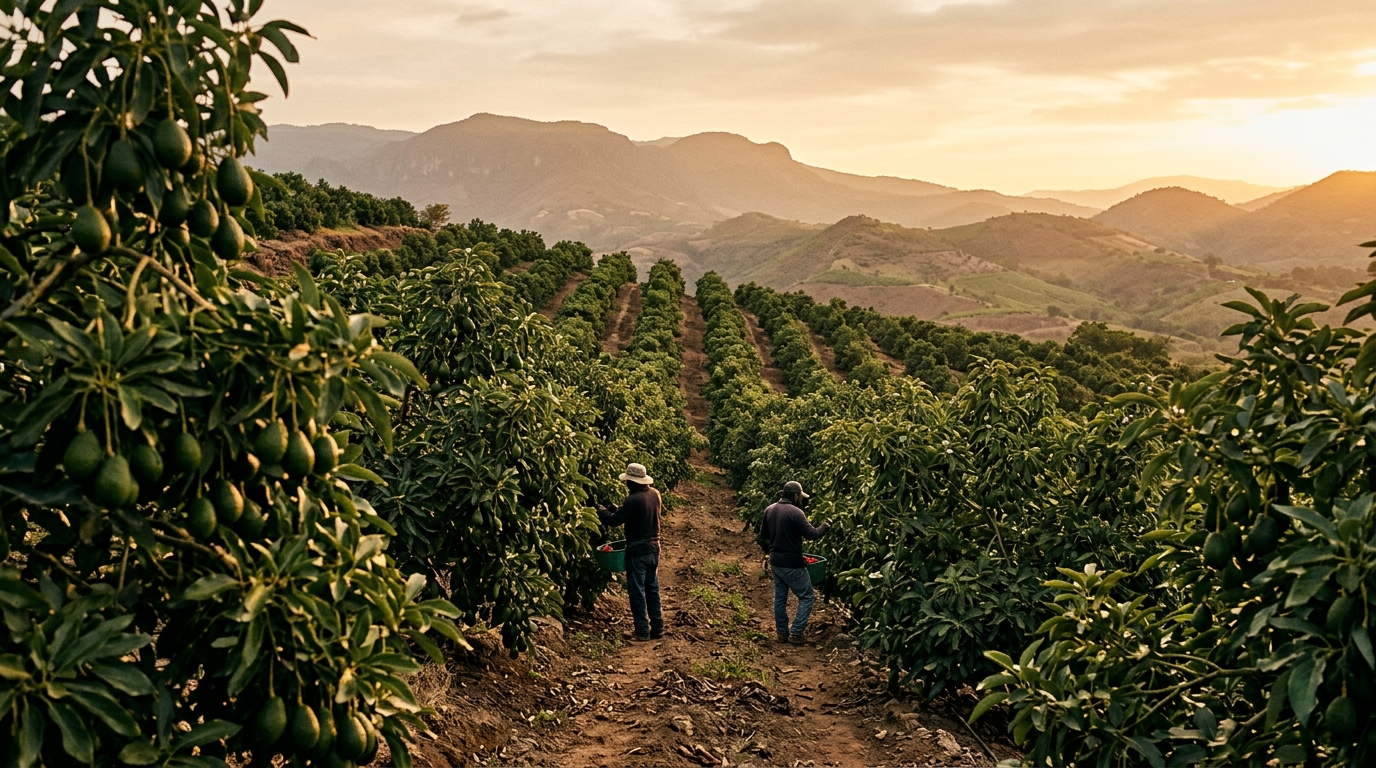
The United States Embassy in Mexico announced on Friday, August 7, the partial resumption of avocado inspections in Michoacán, effective Saturday, August 8, following a week-long suspension triggered by a security alert. The measure covers four producing zones and is part of a gradual process toward full resumption.
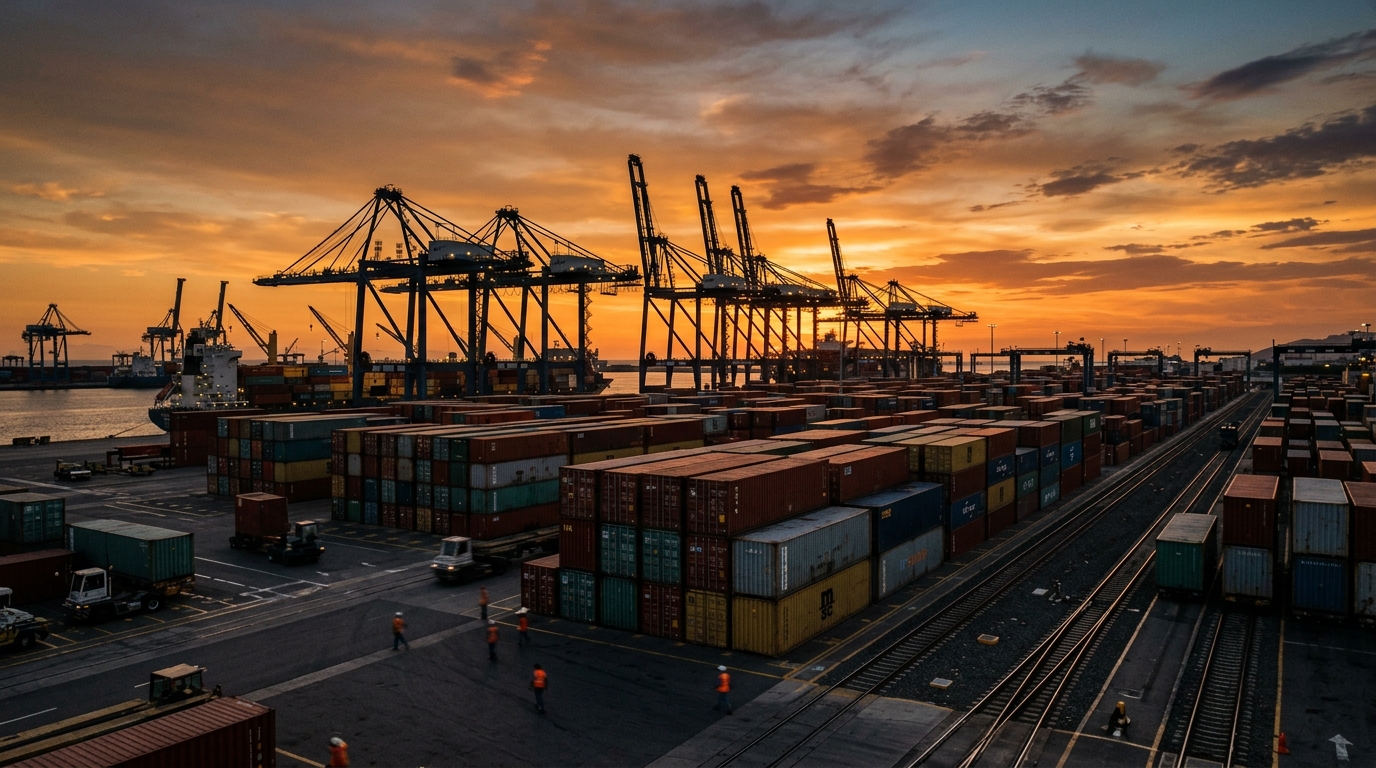
US Ambassador to Mexico Ronald Johnson stated that the resumption is the result of security coordination between the two governments. Mexico is on track to export approximately 1.2 million tonnes of avocado to the United States in 2026, with total shipments reaching a record 1.31 million tonnes, according to data from the US Department of Agriculture (USDA). The United States receives approximately 90% of Mexico's total avocado export volume. Michoacán is Mexico's largest avocado-producing state, and the suspension had left shipments to its primary market in limbo. Avocado is one of Mexico's leading agricultural export commodities.
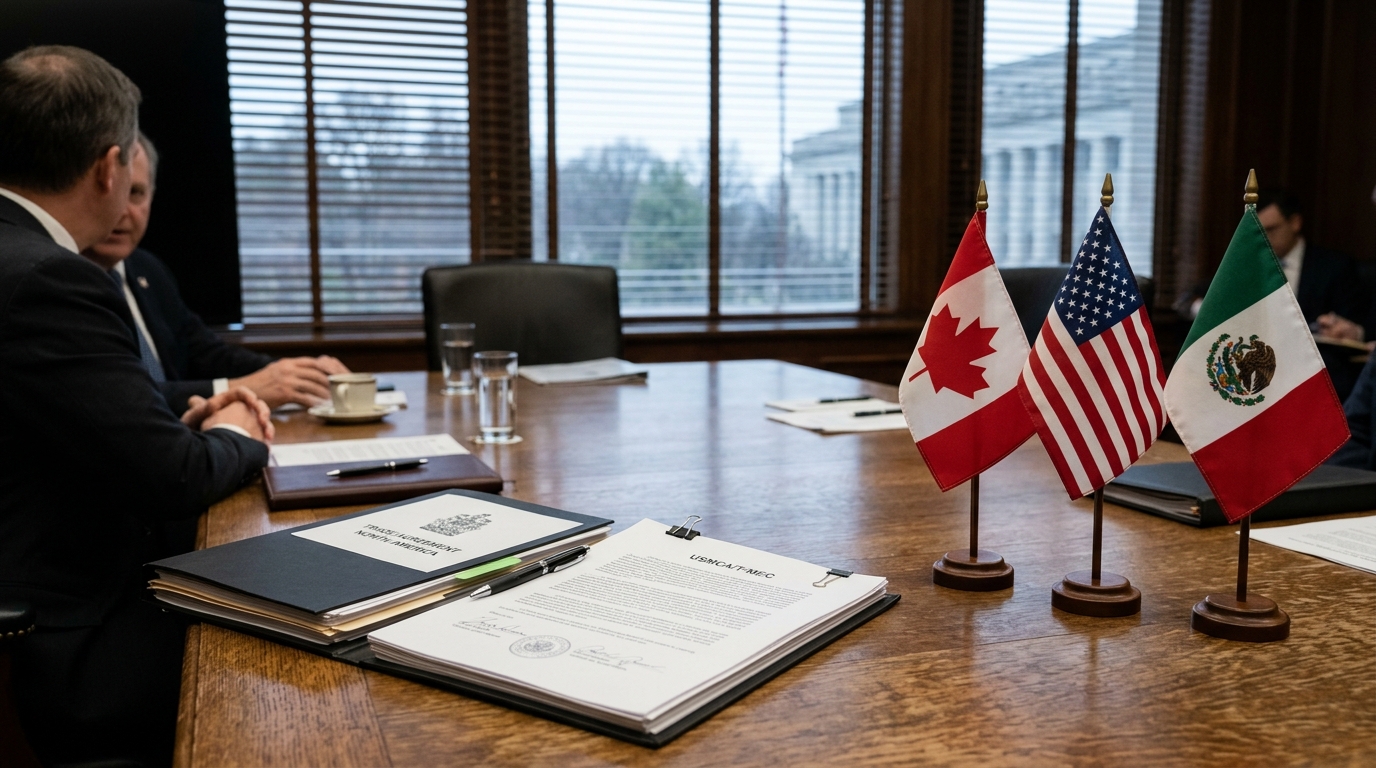
Operations resume in Tancítaro, Tacámbaro, Uruapan, and the corridor between Morelia and Pátzcuaro, based on commitments made by Mexico and security measures implemented in Michoacán, the US Embassy said, without detailing the specific commitments. Following the alert, the Secretariat of National Defense deployed 1,557 personnel to protect packing facilities, transport routes, and inspection points from extortion. The announcement came after a meeting between embassy officials and President Claudia Sheinbaum, who reiterated that the National Service of Agri-Food Health, Safety and Quality (Senasica) is capable of taking over the work of US certifiers. Luis Javier de la Rocha, director of the main producers' association, confirmed that an agreement was reached to release more than 1,000 tonnes of the fruit.
The Embassy stated it will continue evaluating on-site conditions and adjusting its operations, with the goal of fully resuming activities. The pace of inspections over the coming weeks will set the rhythm of Michoacán avocado shipments to the United States.
This article was written with artificial intelligence assistance based on verified sources and reviewed by a human editor before publication.