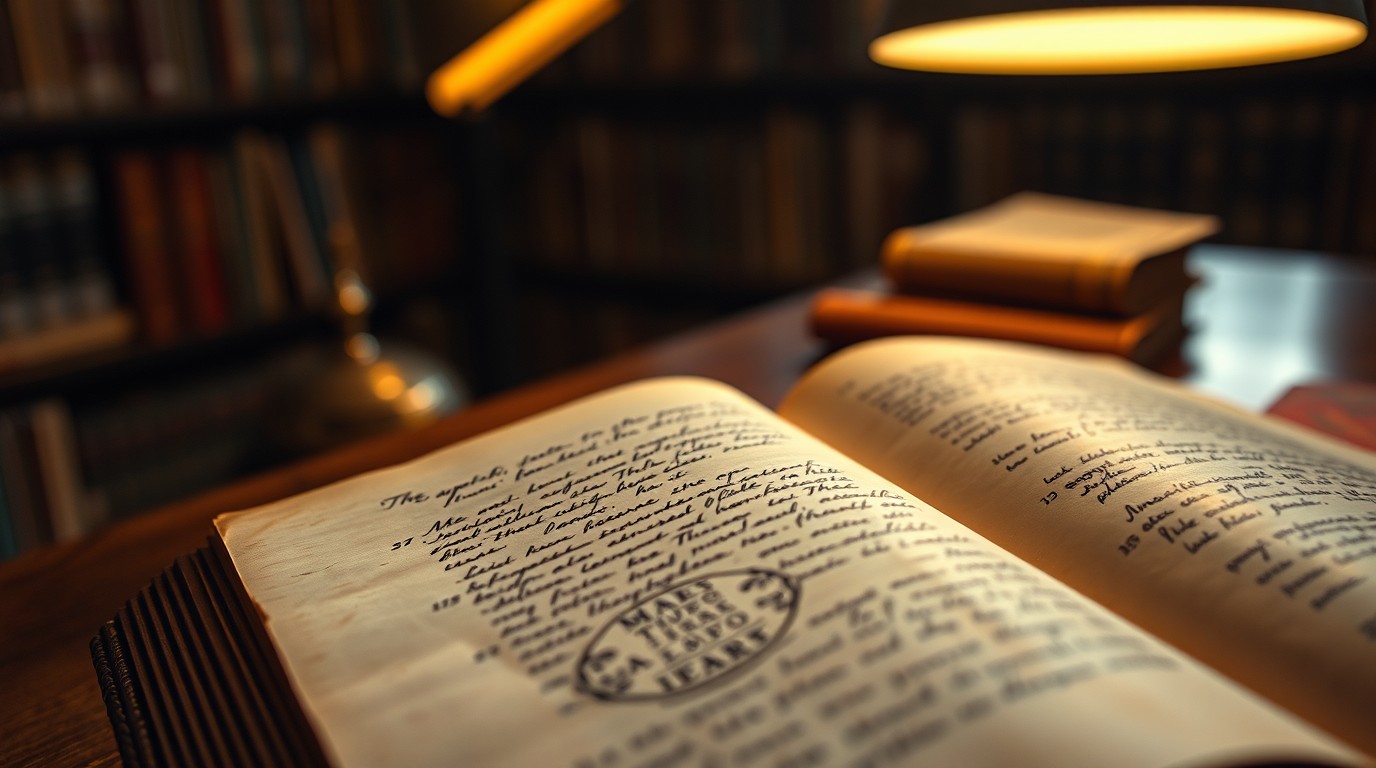
The National Autonomous University of Mexico (UNAM) confirmed on November 9, 2026 that the three handwritten annotations in a book printed in 1622 are in the hand of Sor Juana Inés de la Cruz, following a handwriting analysis.
The volume, written in Latin by the Carmelite friar Juan de Jesús María and published in Cologne, Germany, in 1622, is held in the Reserved Collection of the National Library of Mexico (BNM) and belonged to the personal library of the New Spanish poet. Felícitas González Barranco, head of that area, spotted the handwritten name during the department's routine technical processing work, and the BNM coordinator, Martha Elena Romero Ramírez, requested the expert examination. According to Gaceta UNAM, it is one of the few studies of the writer's library and a direct testimony of what she read. Sor Juana is one of the central figures of New Spanish letters and an obligatory reference in Mexican literature.
The handwriting expert María Guadalupe González Arrieta compared the writing with documents whose authenticity was not in doubt: the application to enter the Convent of San Jerónimo, Sor Juana's will, a document on the sale of a slave, and her vow and oath. The comparison drew on the General Archive of Notaries, the General Archive of the Nation and the Centro de Estudios de Historia de México Carso. The longest annotation reads: "De la madre Sor Juana Inés de la Cruz religiosa de nuestro padre San Jerónimo. Año de 1683 a 15 de enero". González Arrieta explained that, although the signature evolved over time, "its core elements remained".
According to El Universal, Sor Juana was around 35 years old when she made the annotation, toward 1683, a period in which she enjoyed the patronage of the viceroys of New Spain and was able to devote herself to study. The volume is on display in the exhibition Universidad de México: 475+ años de concebir futuros, at the Colegio de San Ildefonso.
The specialist Jorge Gutiérrez Reina, of the Faculty of Philosophy and Letters, proposed that the next step is to translate the work, written in Latin, to understand the passages Sor Juana underlined and to gain more evidence about her work.
This article was written with the assistance of artificial intelligence from verified sources and reviewed by a human editor before publication.