
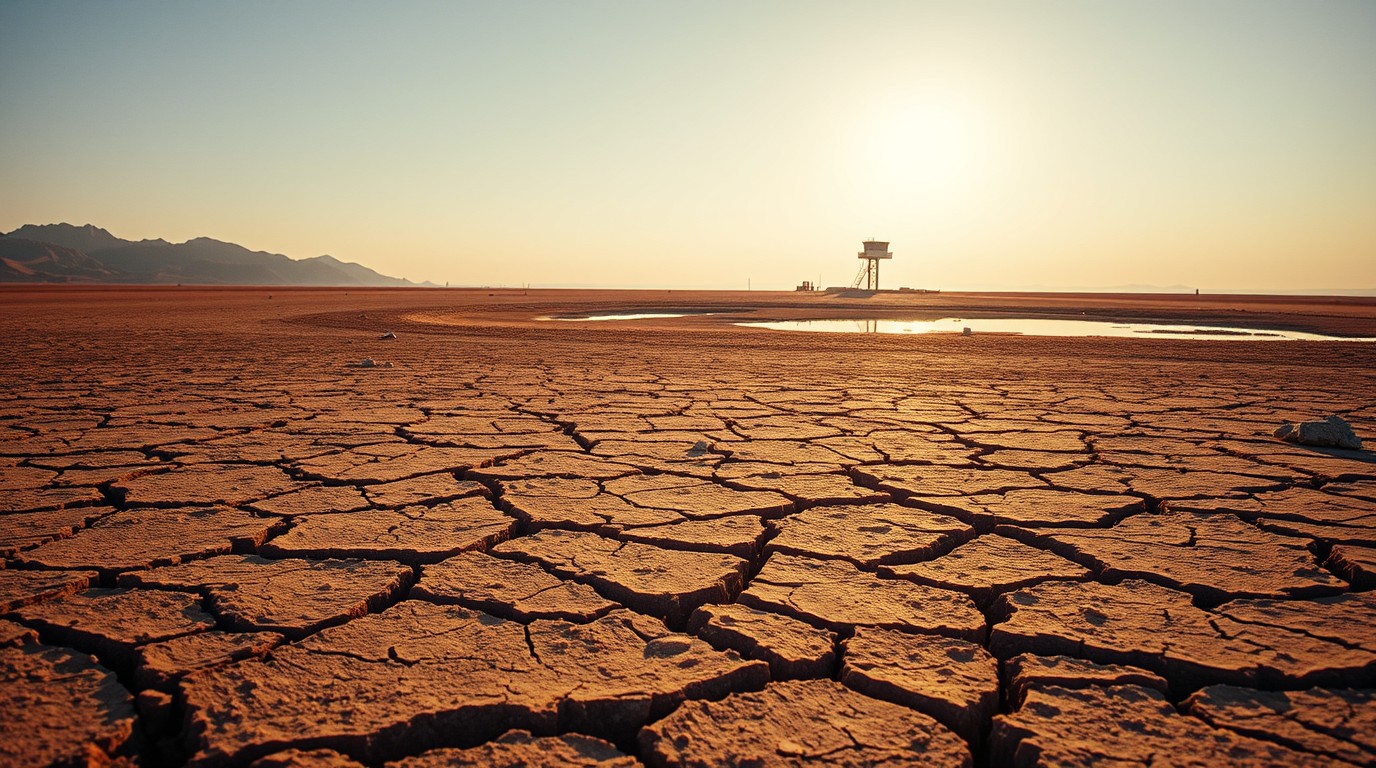
The United Nations Environment Programme (UNEP) warned on October 21, 2026 that breaching the 1.5°C limit is imminent and inevitable, a conclusion the body had not stated in those terms in previous editions. Its Emissions Gap Report 2026 sets a new objective: to limit the overshoot to the lowest possible level, with a warming peak of 1.7 to 1.8°C by mid-century and a return to 1.5°C or less toward 2100, with a probability close to 50%, according to UNEP's statement.
The figure that raises the most concern is 2.8°C. That is the projected warming if current policies continue, against 2.6°C if all national contributions are met and 2.1°C in the best case, with net-zero targets included, according to CNN's analysis published on October 21. The report notes that both estimates worsened compared with the previous year, partly because of the United States' withdrawal from the Paris Agreement and because of revisions to historical emissions.
Why does it matter in Mexico? The country submitted its Nationally Determined Contribution 3.0 in November 2025, with an absolute cap on net emissions of 364 to 404 million tonnes of CO2 equivalent for 2035 without conditions, and 332 to 363 million if it receives international cooperation, according to INECC. That target points to a net-zero trajectory in 2050, aligned with the new global framework.
The report details what the lowest-overshoot pathway requires, always measured against 2025 levels:
- Cut emissions 18% in 2030, 45% in 2035 and 69% in 2040. - Meeting current pledges would achieve cuts of only 5% to 8% in 2030. - Remove and store close to 320 gigatonnes of CO2 this century, equivalent to about eight years of global emissions in 2024.
UN Secretary-General António Guterres summed up the position in one phrase: "Overshoot is not surrender."
The next appointment will be COP31, in Antalya, Turkey, in November 2026, where countries will review their mitigation plans. The debate: whether the 2035 and 2040 targets will be extended as quantifiable commitments.
This article was drafted with the assistance of artificial intelligence from verified sources and reviewed by a human editor before publication.