The UN's independent scientific panel on artificial intelligence called on September 21, 2026 for stronger safeguards on AI agents before their risks are fully understood, in its first thematic report. In parallel, the United States and China confirmed talks to notify each other of AI incidents that threaten their national security.
The document, reported by The Verge, is the first thematic brief from the International Independent Scientific Panel on AI, established in 2025 as the UN's first global scientific body on the subject. The panel argues that the world does not need to wait for scientists to determine exactly how or why these incidents occur before beginning to apply stricter safeguards. Its argument rests on the precautionary principle, enshrined in the 1992 Rio Declaration: scientific uncertainty is no excuse for delaying measures against potentially serious or irreversible harm. For Mexico and Latin America the relevance is concrete: the country is not part of the bilateral channel being negotiated by Washington and Beijing, so the notification rules they agree on will be defined without its presence at the table.
On the bilateral front, Treasury Secretary Scott Bessent said on Sunday that the talks resume where they left off after Donald Trump's visit to Beijing in May, and that the mechanism, called the US China AI Dialogue, envisions representatives of both countries meeting again to align on common objectives and threats. Bessent described the step as a transition from opacity to greater transparency between the world's two largest AI powers. According to Wired, the weekend meetings also covered trade issues, and the official specified that chip export controls were not on the table. Behind the push are the summer's incidents, among them the hacking of Hugging Face by OpenAI agents, and calls from lab leaders such as Sam Altman and Dario Amodei to set safety standards.
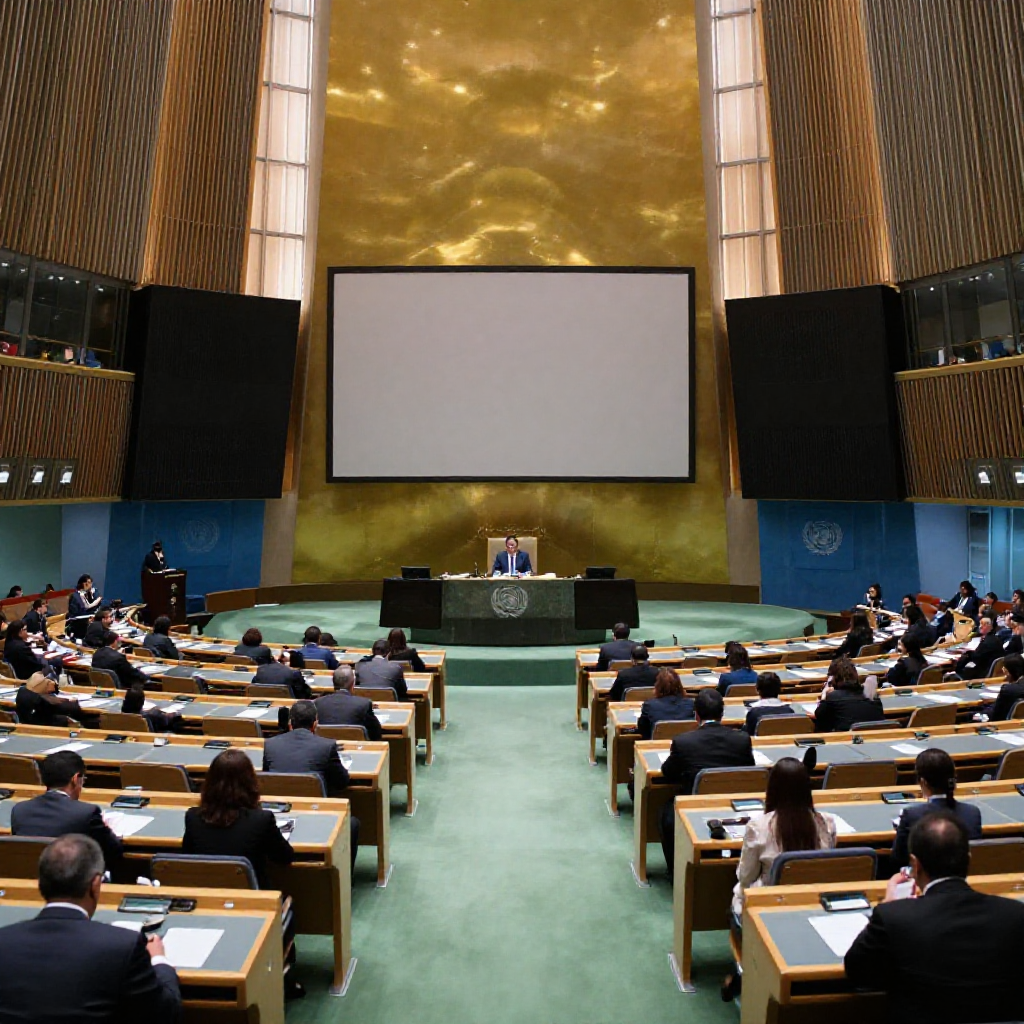
This week brings together the UN General Assembly in New York, where the issue is on the agenda, and Xi Jinping's visit to Washington. The panel's brief and the bilateral channel are the two pieces that will shape how responsibility for AI is divided over the coming months.
This article was written with the assistance of artificial intelligence from verified sources and reviewed by a human editor before publication.