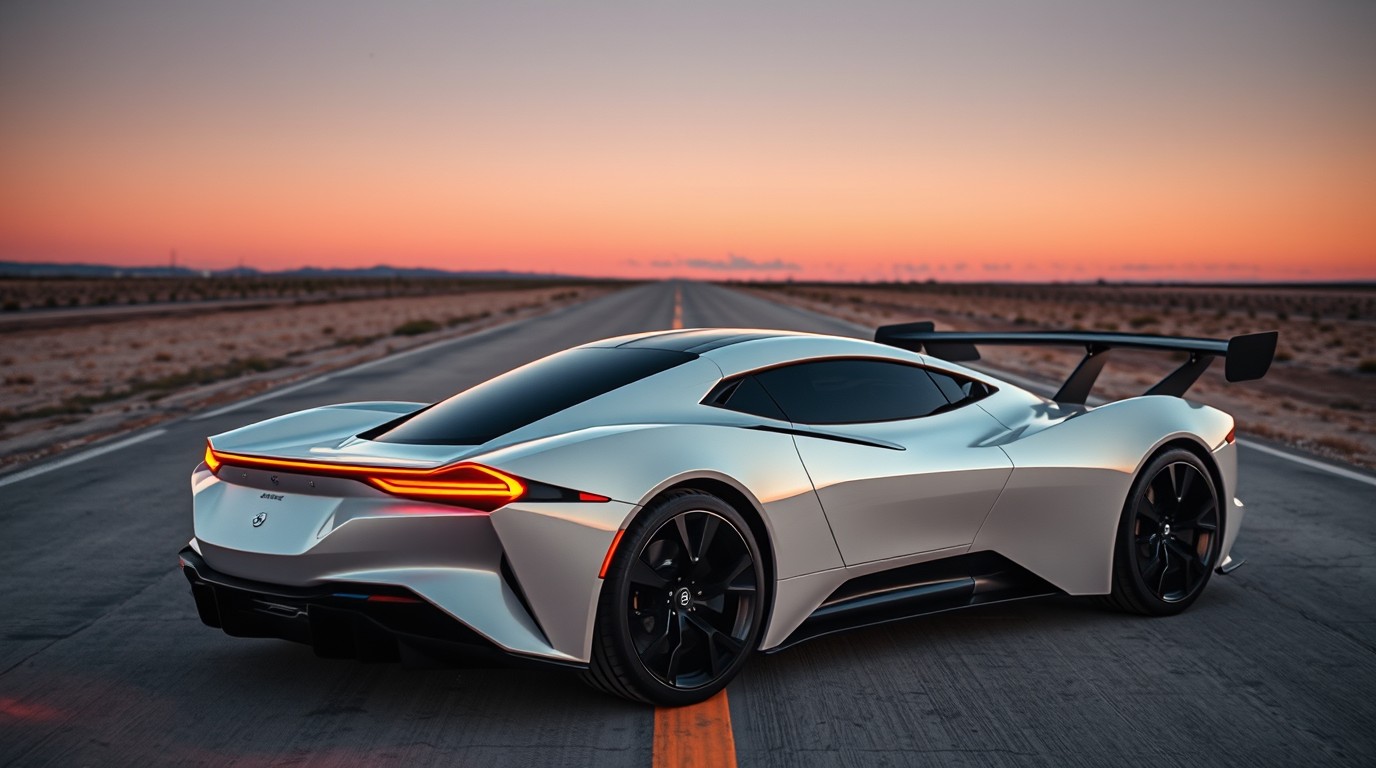
On October 15, 2026, in Waco, Texas, Tesla unveiled the second generation of its Roadster, an electric sports car that climbed an inverted ramp, lifted above the rest of the automaker's lineup and clocked 0 to 100 kilometers per hour in 0.81 seconds, according to the demonstration reported by The Verge.
The car uses a suction system with fans and up to 10 cold gas thrusters connected to 600 liters of compressed air, an engineering collaboration between Tesla and SpaceX. Tesla CEO Elon Musk said at the event that the company will finally build it in 2028, without announcing a price. According to TechCrunch, the company is already taking reservations of 50,000 dollars for the Performance version and 250,000 for the Thrust.
The announcement revives a conversation that has been running for nearly a decade: the Roadster was first shown in 2017 with the promise of deliveries in 2020, and since then it has piled up delays in 2020, 2021, 2023 and 2024. For Mexico, the interest is not in the car itself, whose price puts it out of reach of any mass market, but in what it proves about the sector's technological floor: higher-density batteries, assisted propulsion and steer-by-wire controls are components that automakers with plants in the country are closely watching for their own electric lines.
Tesla describes three versions with more than 480 kilometers of range and top speeds above 370 kilometers per hour:
- Performance: two seats and active aerodynamics, with 0 to 100 km/h under 1.6 seconds. - Thrust: with rear thrusters, drops to 0.9 seconds, in limited release. - Rocket: one seat, 10 thrusters around the car, under 0.59 seconds and by invitation only.
The company itself indicated that the Rocket version is not approved for driving on public roads, and engineer Lars Moravy explained that the compressed air tanks can be refilled without specialized chemical propellant. Musk described the vehicle as a joint exercise with SpaceX rather than a volume product. The next data point to watch is 2028, the year the company set to start production, and the regulatory conditions that the United States Federal Aviation Administration imposes on the thrusters.
This article was written with the assistance of artificial intelligence from verified sources and reviewed by a human editor before publication.