
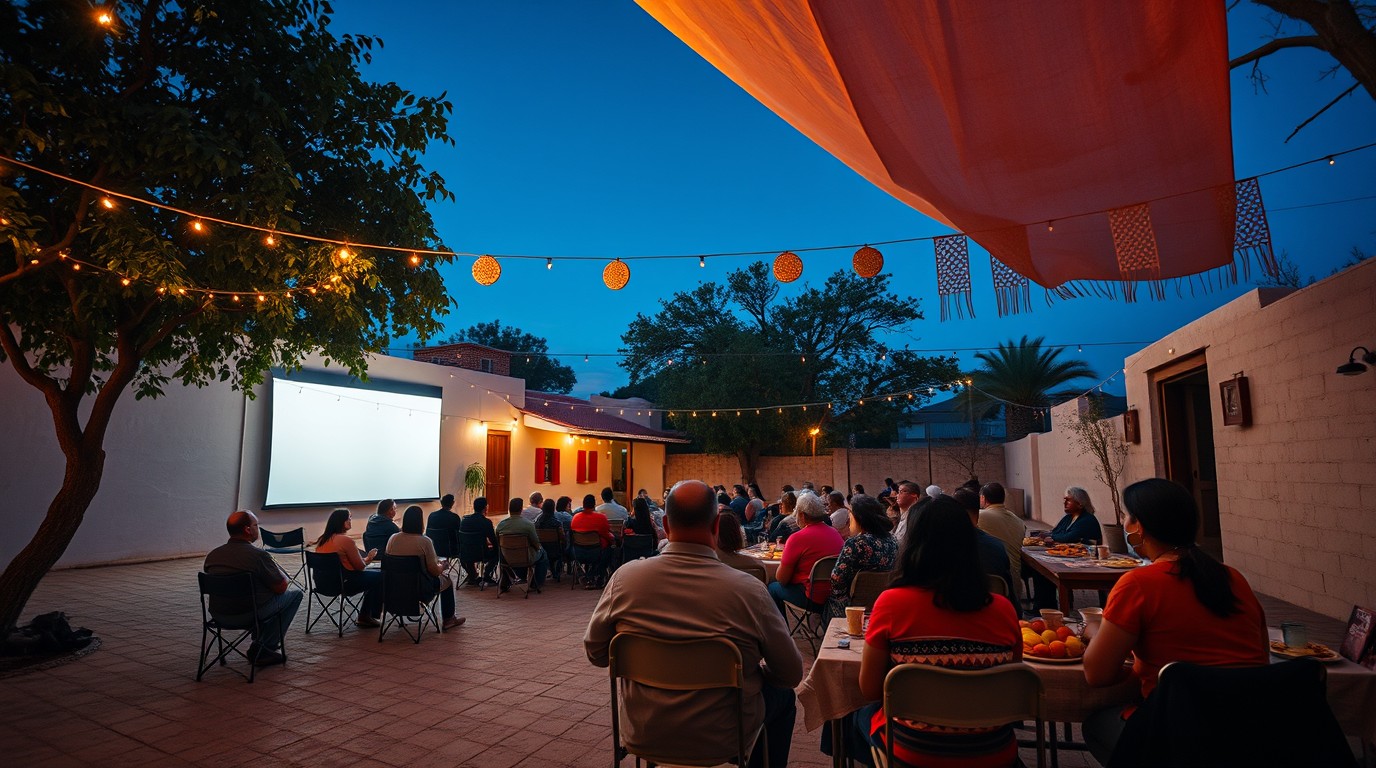
When we talk about the relationship between Mexico and the United States, we tend to think of trade, migration and government decisions. I am also interested in looking at what happens in other spaces: a movie theater, a concert, a library or a table where food is shared.
In those encounters, stories circulate that bring us closer to other people's experience. A film can open questions about the life of a migrant family. A song can connect generations that grew up in different countries. Culture offers an entry point to conversations that, from the standpoint of political discourse, can seem distant.
From my perspective as part of Scientika's creative team, communicating across cultures requires paying attention to who tells a story and from where they tell it. Representing Mexico means recognizing regional experiences, languages and diverse ways of life, including those of people who have built their home in the United States.
That is why I consider it important to give space to the creators and communities behind every cultural expression. Knowing their names, listening to their intentions and understanding their context allows for a deeper relationship than the consumption of a recognizable image.
Culture can help us discuss our differences with greater knowledge of those on the other side. Strengthening that exchange requires opportunities to create, collaborate and be heard. The relationship between both countries is also built there: in the possibility of recognizing ourselves in stories that cross the border.