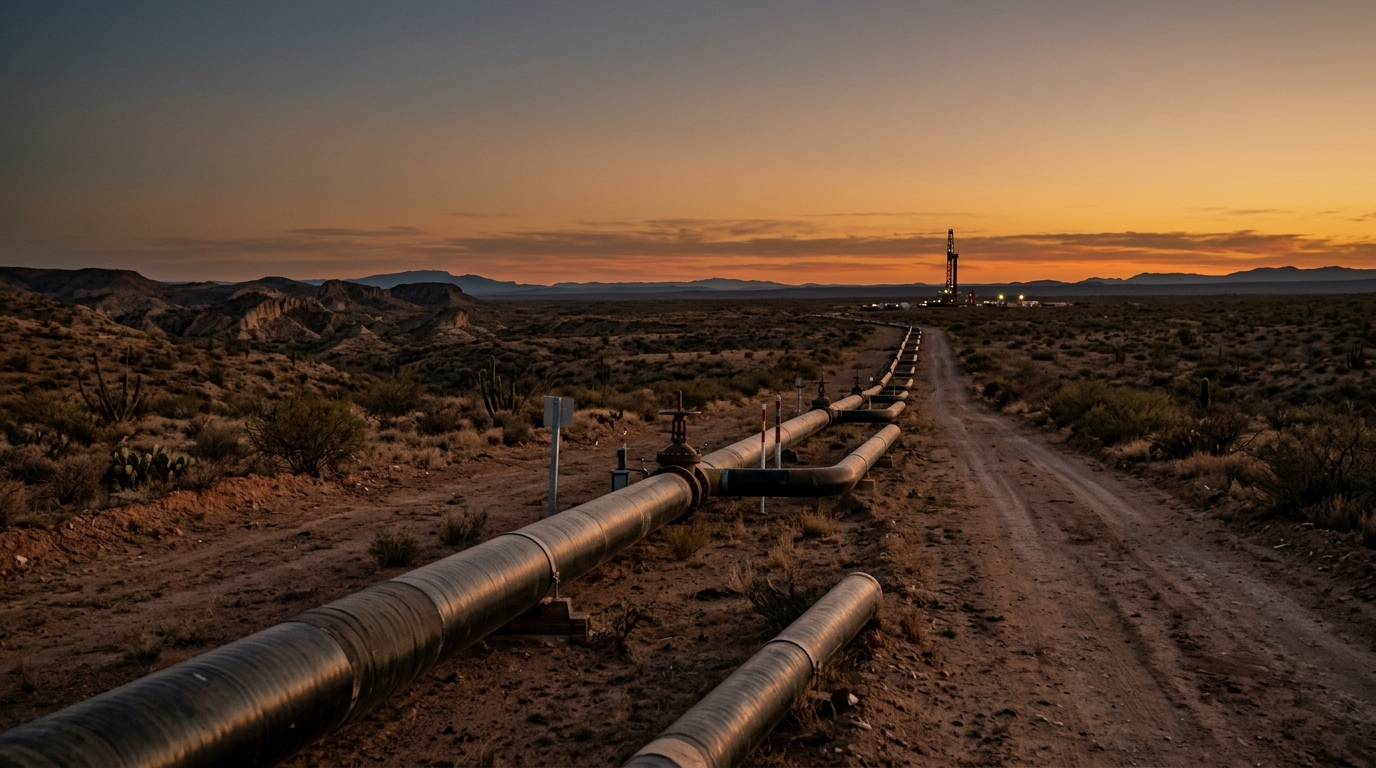
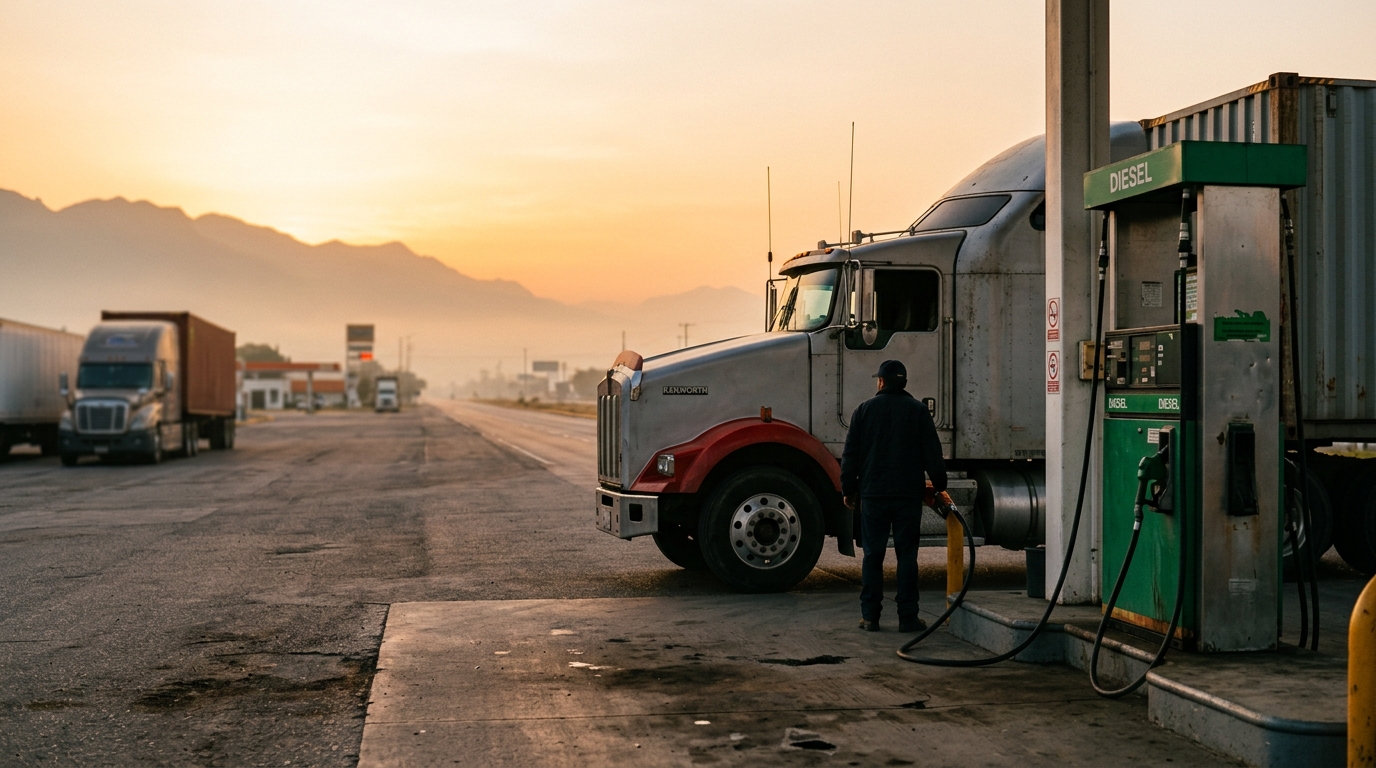
The Secretaría de Hacienda y Crédito Público (SHCP), Mexico's Finance Ministry, will absorb 90.78% of the Impuesto Especial sobre Producción y Servicios (IEPS) excise tax on diesel during the week of September 5-11, 2026, according to an agreement published in the Diario Oficial de la Federación.
The adjustment comes amid rising international oil prices driven by the conflict between the United States and Iran, which has kept the Strait of Hormuz closed since late February. Roughly 20% of global crude trade passes through that chokepoint, according to Bloomberg Línea. Mexico continues to import fuels from the United States, meaning higher international costs flow through to domestic filling stations. Facing that pressure, the SHCP adjusts the stimulus each week to prevent the full weight of international price increases from reaching the pump. Diesel is strategically important to the broader economy: it moves goods, passengers, electricity generation, and construction, and its price feeds directly into inflation.
Under the measure, consumers will pay 0.67 pesos per liter in IEPS on diesel, 4.59 pesos on regular gasoline, and 4.30 pesos on Premium, according to La Jornada. Regular gasoline, which powers the bulk of the country's vehicle fleet, saw its stimulus rise from 22.83% to 31.45% of the tax; Premium moved from 6% to 23.9%, bringing the per-liter subsidy from 0.30 to 1.35 pesos, according to Bloomberg Línea. An agreement between the government and the fuel retail sector also caps regular gasoline at a maximum of 24 pesos per liter and diesel below 27 pesos. Premium, which requires higher octane, is used primarily in high-compression engines such as those in performance vehicles, according to analyst Ramsés Pech, speaking to Bloomberg Línea.
The next stimulus update will be published in the Diario Oficial de la Federación the following week. With the price cap renewed for six months and weekly adjustments in place, regular gasoline and diesel prices remain contained for as long as international crude pressure persists.
This article was drafted with artificial intelligence assistance from verified sources and reviewed by a human editor before publication.