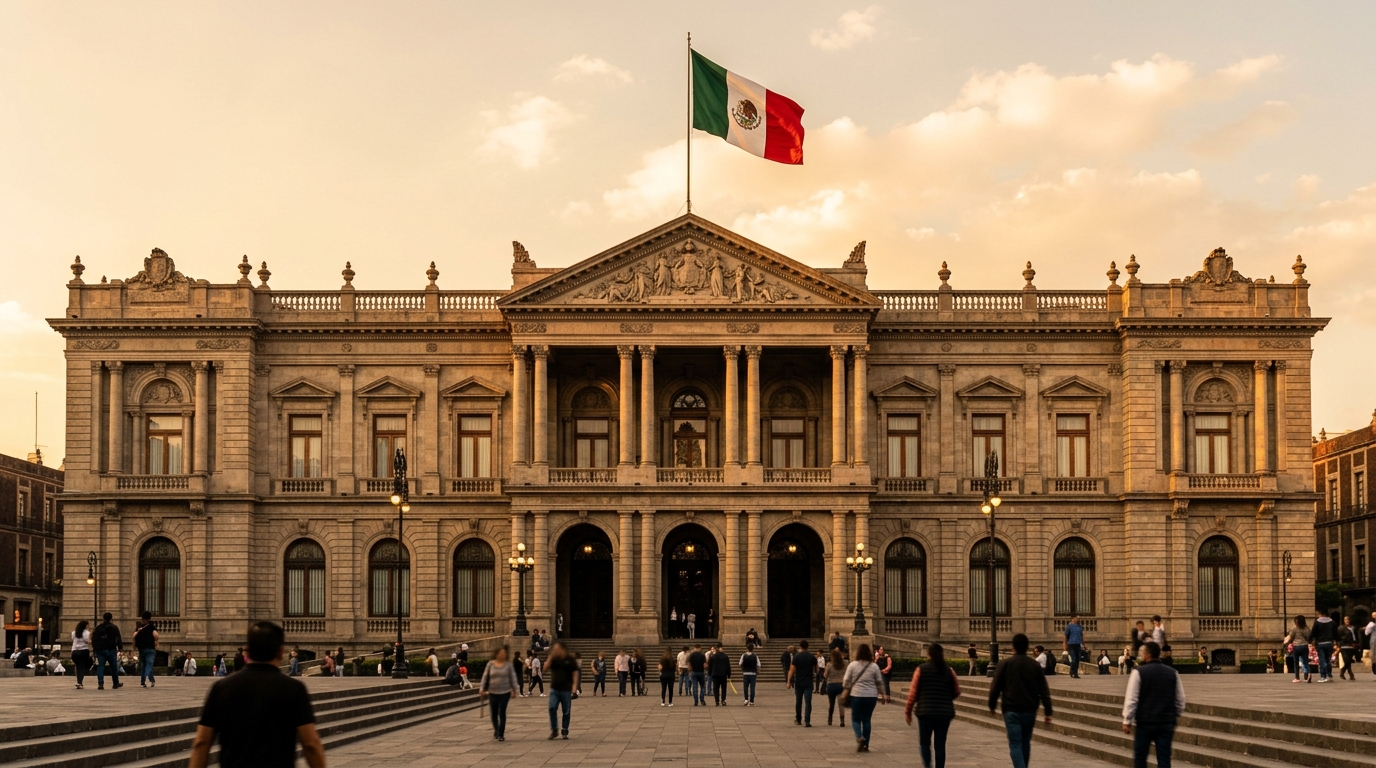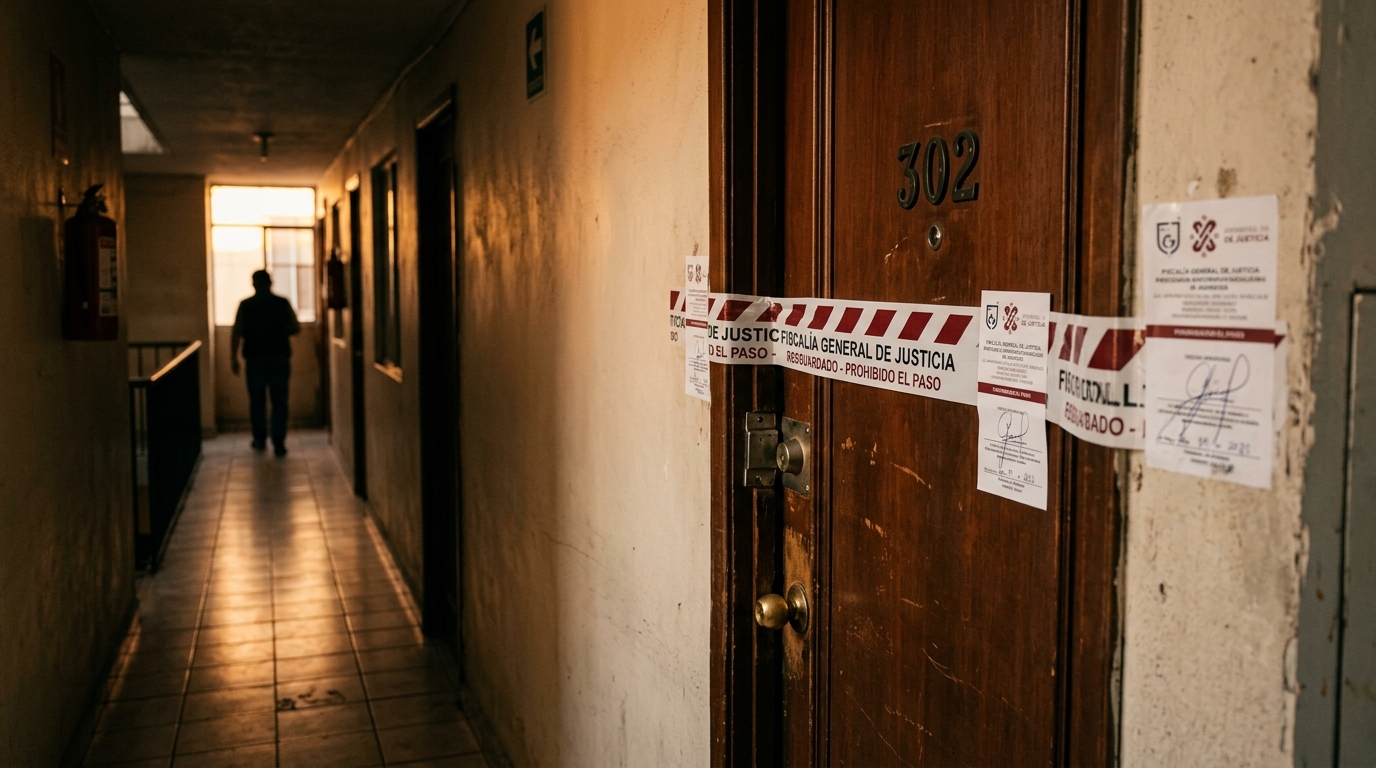
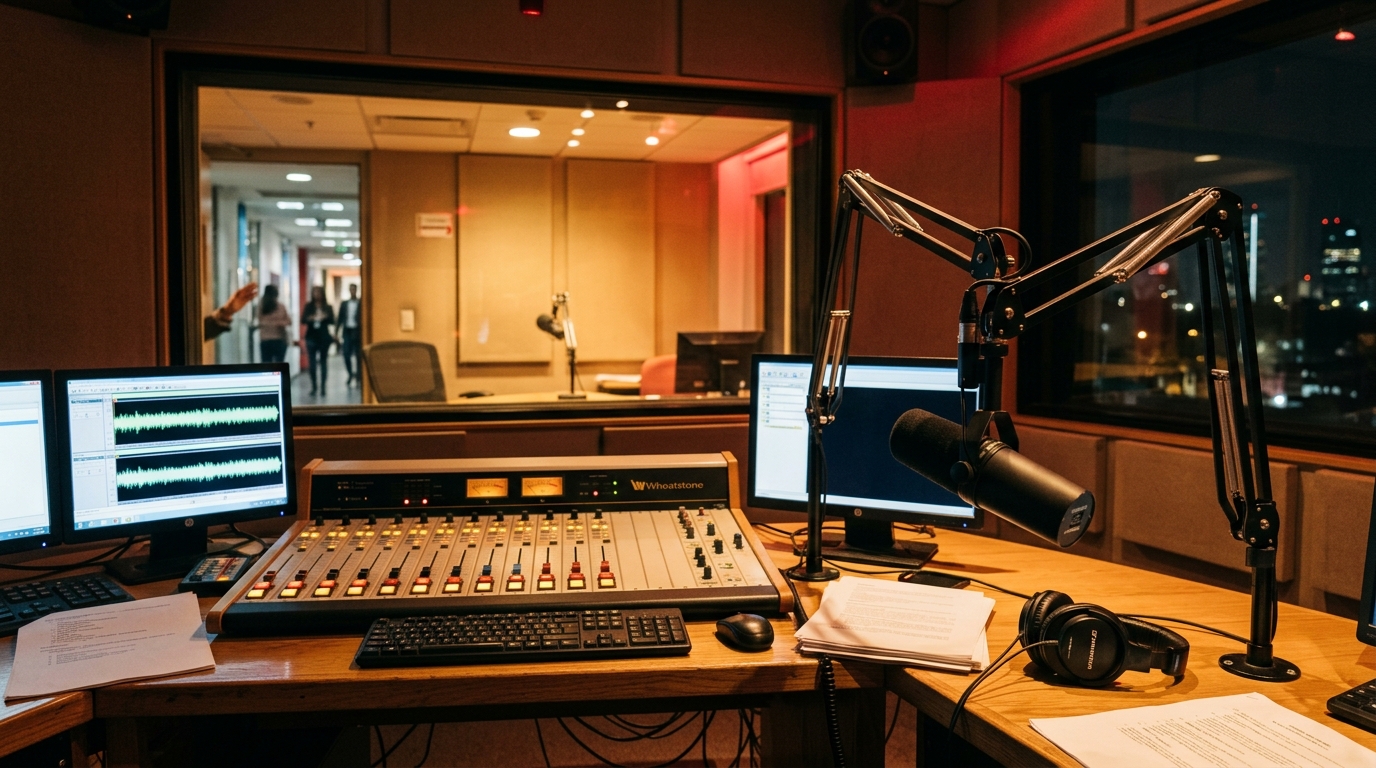
The public consultation on the guidelines for the Audience Rights Law, enacted in 2025, closes this Friday, August 21, before the text reaches Congress. The debate centers on a fundamental question: how to raise the quality of information in radio and television without expanding the government's power over the media.
The regulation proposes that radio and television stations have an audience ombudsman and an ethics code, and requires a clear distinction between news, opinion, and advertising. This is a debate with history: audience rights were enshrined in the Constitution in 2013, the implementing law was enacted in 2014, and the 2016 guidelines were never applied, leaving a decade without operational rules for the public. That gap is reflected in the regulator's own records: according to figures cited by Gabriel Sosa Plata in El Sol de México, between 2014 and 2023 only 10 administrative proceedings were initiated against the major broadcasters, none resulting in a fine, compared to 1,349 files opened between 2002 and 2013. The issue also matters to the Mexican community in the United States and Canada, who follow Mexican news through those same outlets.
According to El País, the debate divides specialists. For Adriana Solórzano of UNAM, audience ombudsmen are part of freedom of expression, but she warns about the new Telecommunications Regulatory Commission: "You gain in effectiveness, but you lose the prudent distance from the power in office." Adriana Reynaga of the Amedi association sees in the proposal clearer areas for action than in the 2016 guidelines, and argues that an authority without sanctioning capacity does not solve the problem. Disinformation expert Luis Hurtado calls for greater transparency in the Commission's decisions, while the organization Artículo 19 calls for clear rules, limited sanctions, and a dialogue space prior to any penalty. At its core, the autonomy of the new body, which falls under the Executive, is the concern most consistently raised by the specialists consulted by El País.
The next step is Congress, which will take up the text during the ordinary legislative session. With midterm elections in 2027 and 7 out of 10 Mexicans getting their news from digital media, experts point to that arena as the major unfinished business: defining how to regulate without prior censorship will be the true test of the new law.
This article was written with artificial intelligence assistance based on verified sources and reviewed by a human editor before publication.