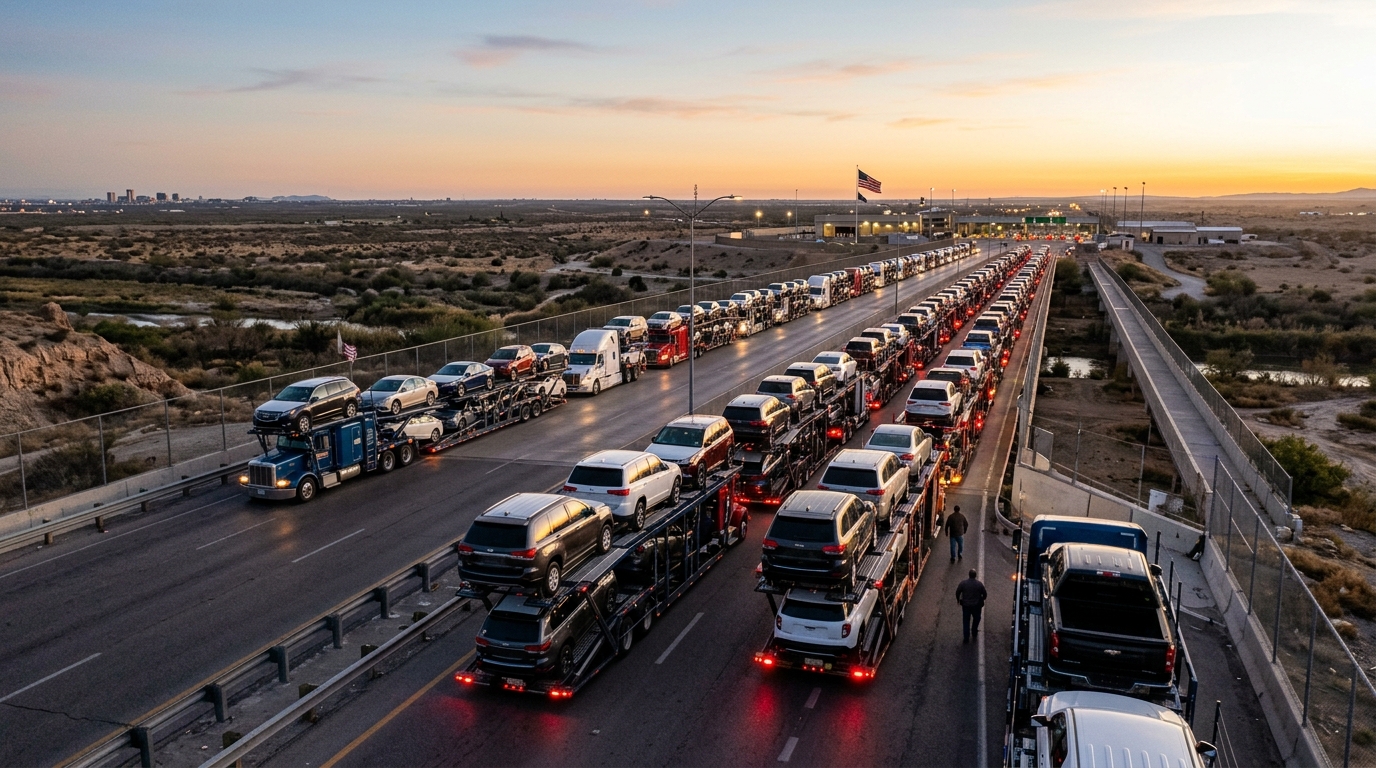
The Mexican government has asked the United States for a discount on the 25% tariff applied to vehicles assembled in Mexico and exported outside USMCA preferences, along with greater flexibility on the 50% steel levy, according to statements by Economy Secretary Marcelo Ebrard reported on August 14 by El País México.
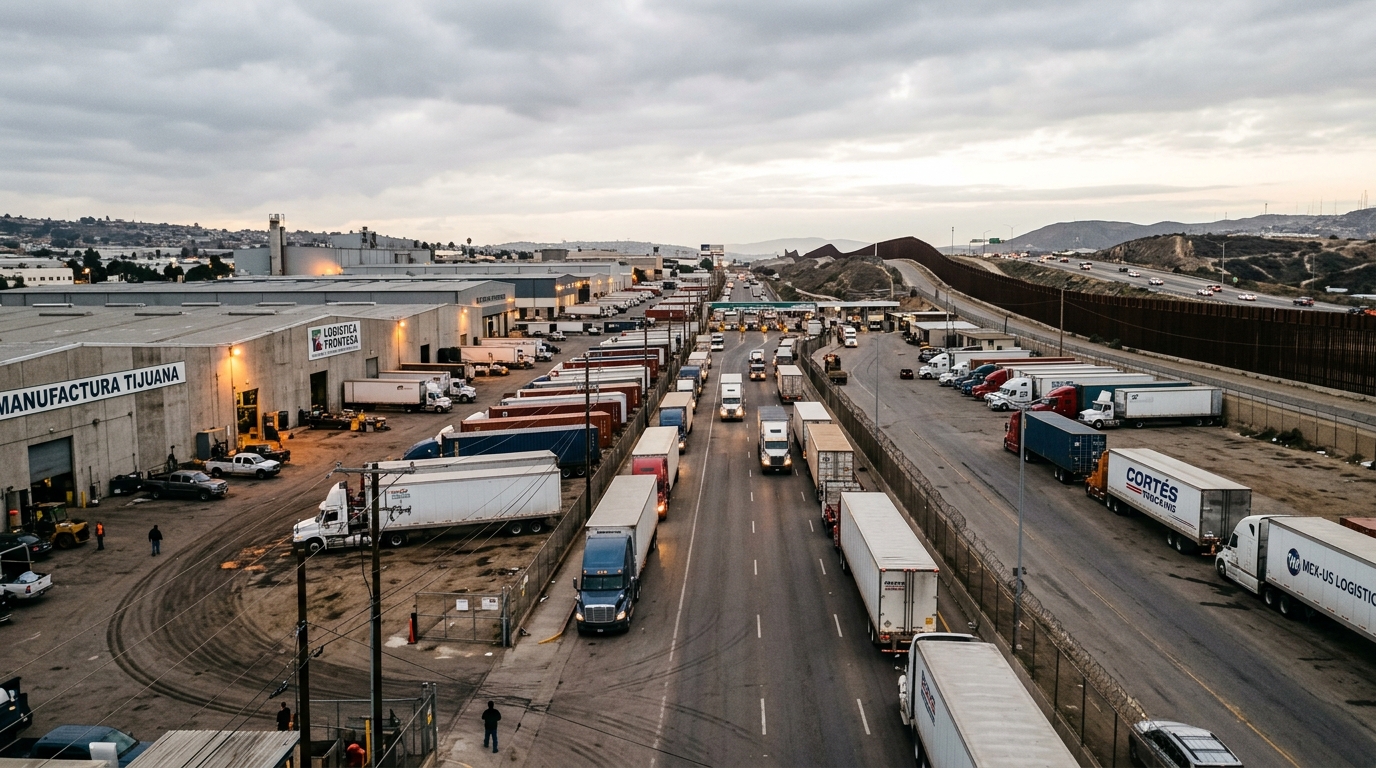
The 25% levy falls under Section 232 and applies to vehicles that do not qualify for USMCA preferences. Cars from Japan, South Korea, Germany, or Morocco face a 15% rate, Ebrard argued, pointing out that Mexico purchases more U.S.-made auto parts than those countries do. The steel tariff was raised from 25% to 50% in June 2025, also under Section 232. In July, the U.S. side rejected an early 16-year renewal of the treaty, so the review is proceeding through periodic bilateral meetings. For Mexico, the stakes are substantial: 80% of its exports go to the United States, and 8 out of every 10 enter under treaty preferences. The agreement runs through 2036.
Meanwhile, Detroit's automakers warn that the treaty review will cost them dearly. According to Forbes México, General Motors projects gross tariff-related costs of between $2.5 billion and $3.5 billion this year, more than 20% of its operating profit, while Ford estimates a net impact of roughly $1 billion. The Big Three (GM, Ford, and Stellantis) also face a Washington proposal to require that 50% of components be manufactured in the United States to qualify for lower tariff rates, and to raise the total North American content threshold from the current 75%. Ford announced it will shift production of its Lincoln models for the U.S. market from China to the United States. Ebrard summed up Mexico's position: "Why are you putting a 50% tariff on me?" and "Apply a discount, because we buy more U.S. parts than other countries do."
The fourth round of trade negotiations between Mexico and the United States is scheduled for September. Vehicle prices and employment across an industry that links all three USMCA countries will hinge on its outcome.
This article was drafted with artificial intelligence assistance from verified sources and reviewed by a human editor before publication.