
American conductor Jeannette Sorrell, Grammy winner and founder of the Apollo's Fire Baroque Orchestra, makes her Mexican debut on August 8 and 9 at the helm of the Orquesta Sinfónica de Minería. This marks her first appearance with a Mexican orchestra, as the sixth program of the ensemble's 2026 Summer Season, according to El Universal.
The Sinfónica de Minería invited Sorrell as guest conductor alongside violinist Shari Mason, the featured soloist. Sorrell arrives carrying the mission that has defined her career: bringing classical music to life through the performance standards of its era. Her goal, she told La Razón, is for this music to sound "as new and immediate as it did for listeners in the 18th or 19th centuries." Her ensemble, Apollo's Fire, is according to the same outlet the period-instrument group with the largest regular audience in the United States, giving 30 concerts per year. At her first rehearsal with the Minería musicians, she described them as great artists, according to El Universal.
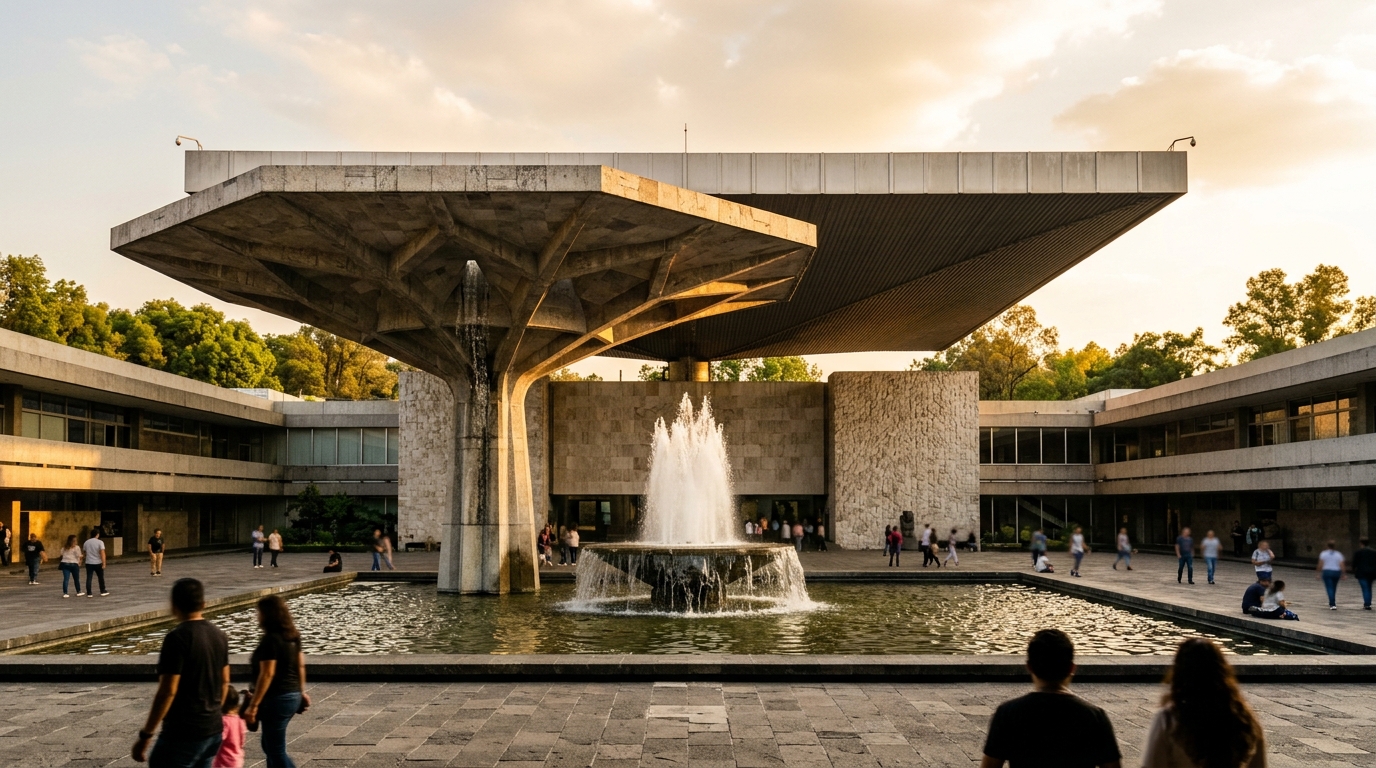
The program brings together three works born in Vienna: Schubert's Symphony No. 8 "Unfinished," Mozart's Violin Concerto No. 4, and Haydn's Symphony No. 103 "Drum Roll." Sorrell explained to El Universal that "all three composers lived in Vienna for a significant part of their lives and knew each other's music," and told La Razón that Haydn serves as a bridge between Mozart's classicism and Schubert's early Romanticism. The conductor, born in San Francisco in 1965, will perform on Saturday at 20:00 and on Sunday at 12:00 at the Sala Silvestre Revueltas of the Centro Cultural Ollin Yoliztli.
Following her debut, Sorrell will return to her ongoing projects: a European tour with soprano Jeanine De Bique exploring the connections between 18th-century European music and Caribbean music, and her fourth engagement with the New York Philharmonic. She also told El Universal that she is developing a program about her father, a Holocaust refugee who arrived in the United States in 1957, designed to "raise awareness of the dignified treatment that refugees deserve."
This article was written with artificial intelligence assistance based on verified sources and reviewed by a human editor before publication.