The Hay Festival de Querétaro opened its eleventh edition on Friday, September 4, with 70 activities and more than a hundred participants, according to the program published by El País. Over three days, the center of Querétaro's capital brings together writers such as Lydia Cacho and Kiran Desai, chronicler Alma Guillermoprieto, and journalist Gabriela Warkentin for conversations on books, journalism, and democracy.
The gathering, born in Hay-on-Wye, United Kingdom, marks 39 years of history and eleven editions in Querétaro. This version arrives in a compact format: Cristina Fuentes La Roche, the festival's director, told El Universal that the municipal budget was cut by nearly 70 percent, shortening the agenda to three days. The director attributed the reduction to investments tied to the World Cup and other local infrastructure spending, and the committee resolved to keep the event in the state. The offering positions Querétaro as a meeting point for journalism and literature in Spanish, reaching authors followed by Mexican readers in the United States and Canada.
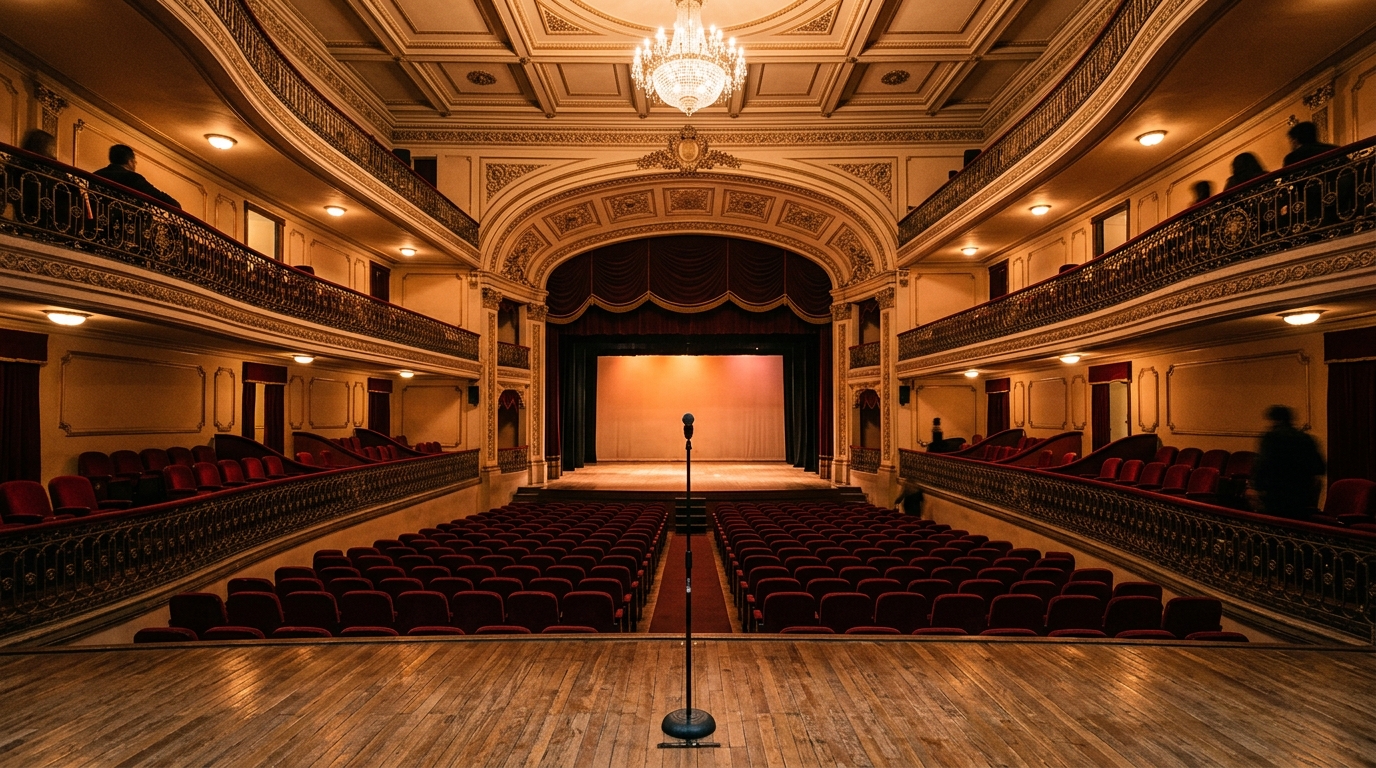
The program distributes its 70 activities across the Teatro de la Ciudad, the Cineteca Rosalío Solano, the Alameda, and venues at the Universidad Autónoma de Querétaro, UNAM, Tec de Monterrey, and Anáhuac. Talks carry a nominal fee of 10 pesos and are free for students, senior citizens, and people with disabilities, according to El País. Among the featured voices, Alma Guillermoprieto will speak with Gabriela Warkentin and Salvadoran journalist Óscar Martínez; writer Kiran Desai, winner of the Booker Prize, presents her novel set in Mexico; and singer-songwriter Vivir Quintana offers a recital. Mexican authors including Yásnaya Elena A. Gil, Emiliano Monge, and Daniel Saldaña París will share panels with guests from the United States, Spain, and Peru.
The agenda continues this weekend with podcasts, presentations, and conversations open to the public, closing with a talk by Argentine philosopher Darío Sztajnszrajber on romantic love. The event leaves Querétaro with a culturally accessible offering for the Latin community of North America.
This article was written with artificial intelligence assistance based on verified sources and reviewed by a human editor before publication.