
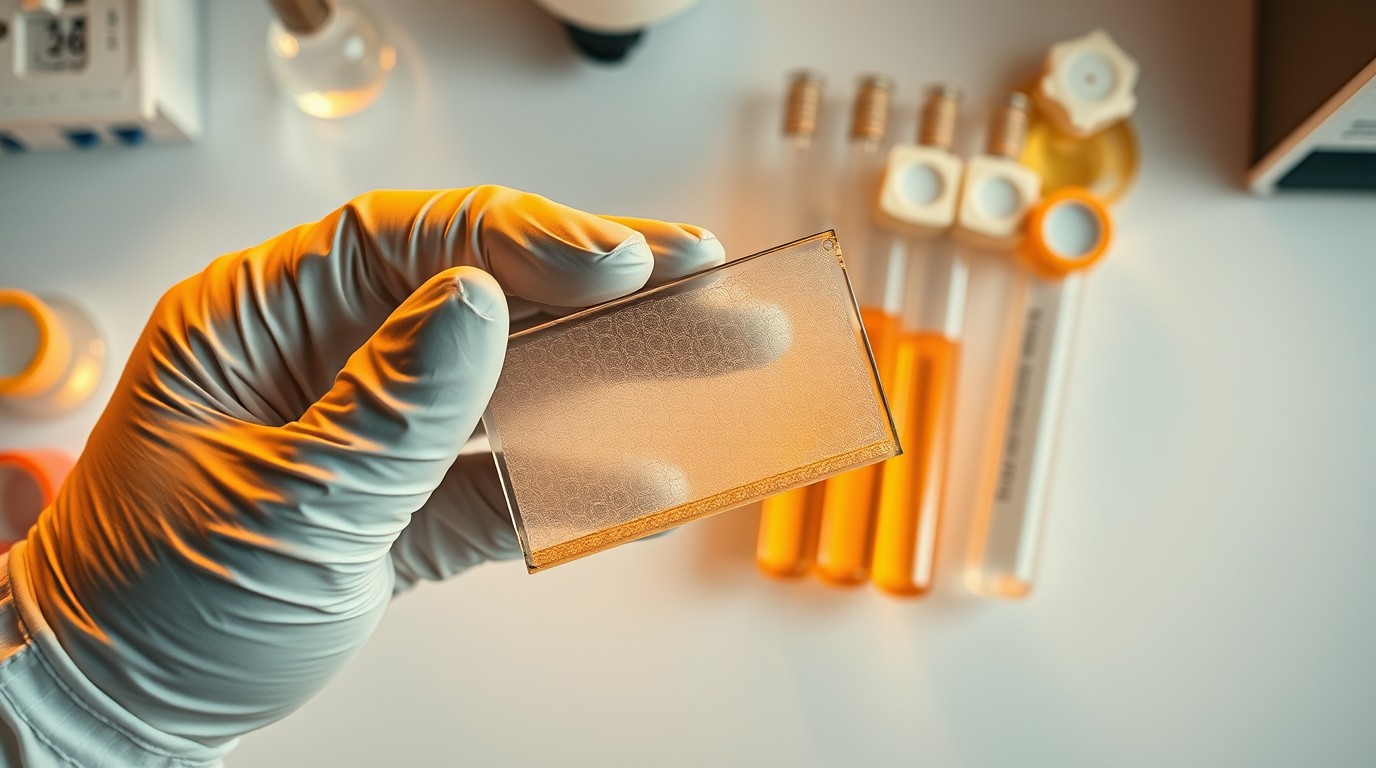
A team at the University of Texas at Austin presented in the Journal of the American Chemical Society a method for separating lithium with nanoscale artificial channels that proved between two and five times more selective than other recently developed separators, according to the Cockrell School of Engineering press release issued on October 26, 2026 and the Spanish version published this November 13.
Lithium powers phones, electric cars and power grids, and separating it from similar chemical elements takes time and energy. The advance targets sources that until now were considered barely profitable: brines and deposits where lithium appears mixed with sodium, potassium, magnesium and calcium. Manish Kumar, co-author of the study, noted that lithium is in phones, cars and the power grid, but that extracting it from the ground cleanly remains a difficult problem, according to the Cockrell School of Engineering press release from the University of Texas. In Mexico, where there are lithium deposits in Sonora, separating mixed minerals is a central stage of any battery chain.
The channels are tiny pores inside membranes that mimic the passage of ions in living cells: they let lithium through and block the ions of other elements. Harekrushna Behera, lead author, explained that the team now has a set of tools rather than an isolated result. He added that understanding how ions interact with the chemical groups at the channel entrance makes it possible to design more selective channels. The article is published under the title Highly Selective Artificial Lithium Channels. Current methods take a long time, spend energy and generate waste, which in some cases makes extraction unviable. The group is already working on integrating the pores into larger membranes, made from interconnected layers of lipids or polymers, to operate without aggressive solvents.
The next stages are tests with real brines, which contain many salts, and then experiments at industrial scale, according to the university. Performance with those mixtures will determine whether the method reaches extraction plants or stays within the recycling of used batteries.
This note was written with the assistance of artificial intelligence from verified sources and reviewed by a human editor before publication.