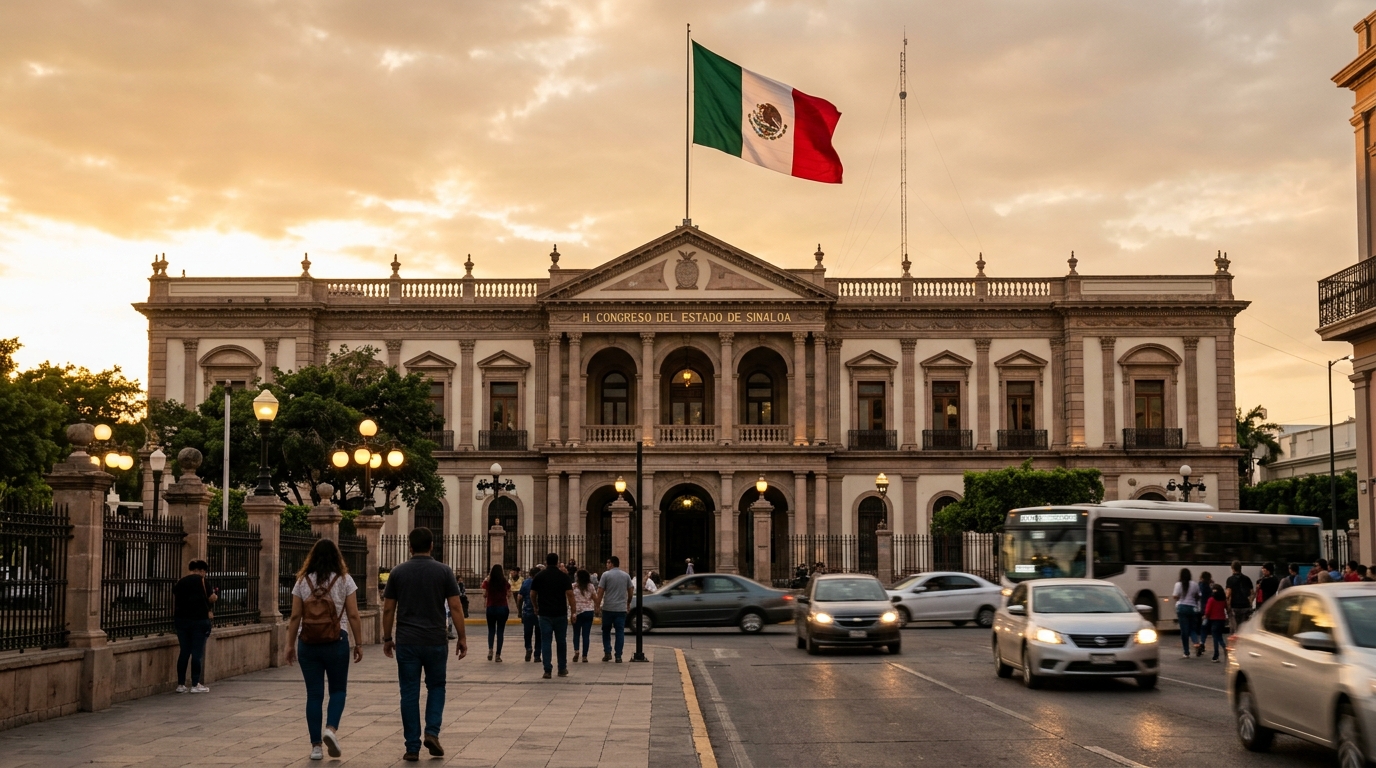

The Superior Chamber of the Electoral Tribunal of the Federal Judiciary (TEPJF) unanimously eliminated variable 14 from the National Electoral Institute's (INE) radio and television monitoring system, in a ruling announced on August 26, 2026. The criterion depended on parameters that, according to the tribunal, could inhibit the work of media outlets.
The INE approved the methodology on July 9, 2026, to monitor radio and television coverage during the pre-campaign and campaign periods of the 2026-2027 Federal Electoral Process, in which federal congressional seats will be contested. Variable 14 sought to identify expressions that, without constituting an explicit attack, conveyed contempt or questioning toward candidates. With the ruling, that measurement was removed from monitoring, as Reforma reported. The challenge came from the National Chamber of the Radio and Television Industry (CIRT), which represents licensees in the sector. For journalists and audiences, the decision matters because the tribunal found that those parameters, depending as they did on the interpretation of whoever conducts the monitoring, could inhibit public debate and limit citizens' right to receive plural information during the electoral contest.
In its arguments, the CIRT maintained that the variable violated freedom of expression and rested on subjective elements: the rating could depend on who analyzed the report and on that person's reading of non-verbal expressions. The chamber noted that the Superior Chamber has consistently protected tools such as satire and parody when applied to candidates, who bear a greater duty of tolerance toward criticism. On a motion by Justice Claudia Valle Aguilasocho, the full chamber determined that the variable created legal uncertainty for citizens and journalists alike, and struck it down. The ruling was recorded in case files SUP-RAP-185/2026 and SUP-RAP-188/2026; the CIRT's second appeal was dismissed as moot.
Monitoring will continue under the remaining variables of the methodology approved for the 2026-2027 pre-campaign and campaign periods. The Superior Chamber underscored that the decision protects press freedom and citizens' right to receive plural information throughout the process.
This article was drafted with artificial intelligence assistance based on verified sources and reviewed by a human editor before publication.