
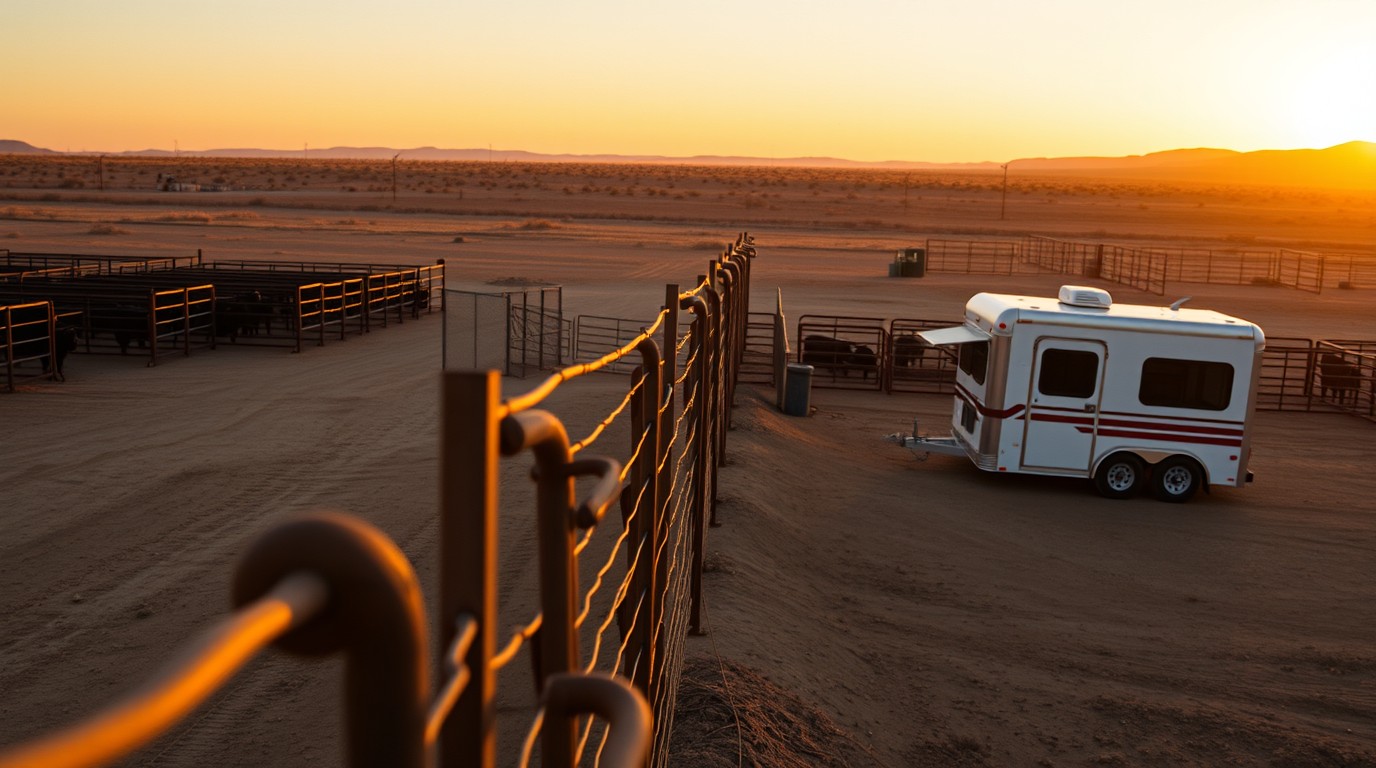
Sonora suspended its cattle exports to the United States on Friday, October 16, after a calf showed mouth lesions during an inspection at the Agua Prieta quarantine station, the Unión Ganadera Regional de Sonora (UGRS) reported. The lesion matches the symptoms of foot-and-mouth disease, a notifiable disease that Mexico has not recorded since 1954, according to Senasica.
The Secretaría de Agricultura y Desarrollo Rural activated a sanitary protocol the same day: it dispatched personnel from the Mexico-United States Commission for the Prevention of Foot-and-Mouth Disease and Other Exotic Animal Diseases (CPA) and ordered samples to be taken for analysis at the high-security laboratory in Palo Alto, Mexico City, according to El Universal. The protocol included clearing the animals from the quarantine station and immediately disinfecting the facilities.
For the Mexican community on both sides of the border, Sonoran cattle are a central piece of binational agricultural trade, and a sanitary restriction in the United States can slow shipments and raise the cost of animal-origin products.
The UGRS specified that the lesion could also correspond to vesicular stomatitis, a condition it clarified poses no animal health risk. The key points of the operation:
- The cattle that were at the station return to their place of origin. - Export of the herd destined for the United States is temporarily blocked for 60 days through REMO. - If the laboratory rules out foot-and-mouth disease, appointments could resume on Tuesday, October 20. - At the San Jerónimo quarantine station in Chihuahua, shipments are flowing normally.
Senasica keeps foot-and-mouth disease among the high-impact exotic diseases subject to surveillance, El Universal reported. The test results will arrive next week and will determine whether Agua Prieta reopens the flow of cattle to the United States.
This article was written with the assistance of artificial intelligence from verified sources and reviewed by a human editor before publication.