President Claudia Sheinbaum announced on July 10, 2026, that fentanyl trafficking from Mexico to the United States had fallen 70 percent since the start of her administration, a result she attributed to the bilateral security cooperation framework. She called on U.S. agencies to prioritize coordination over unilateral action.
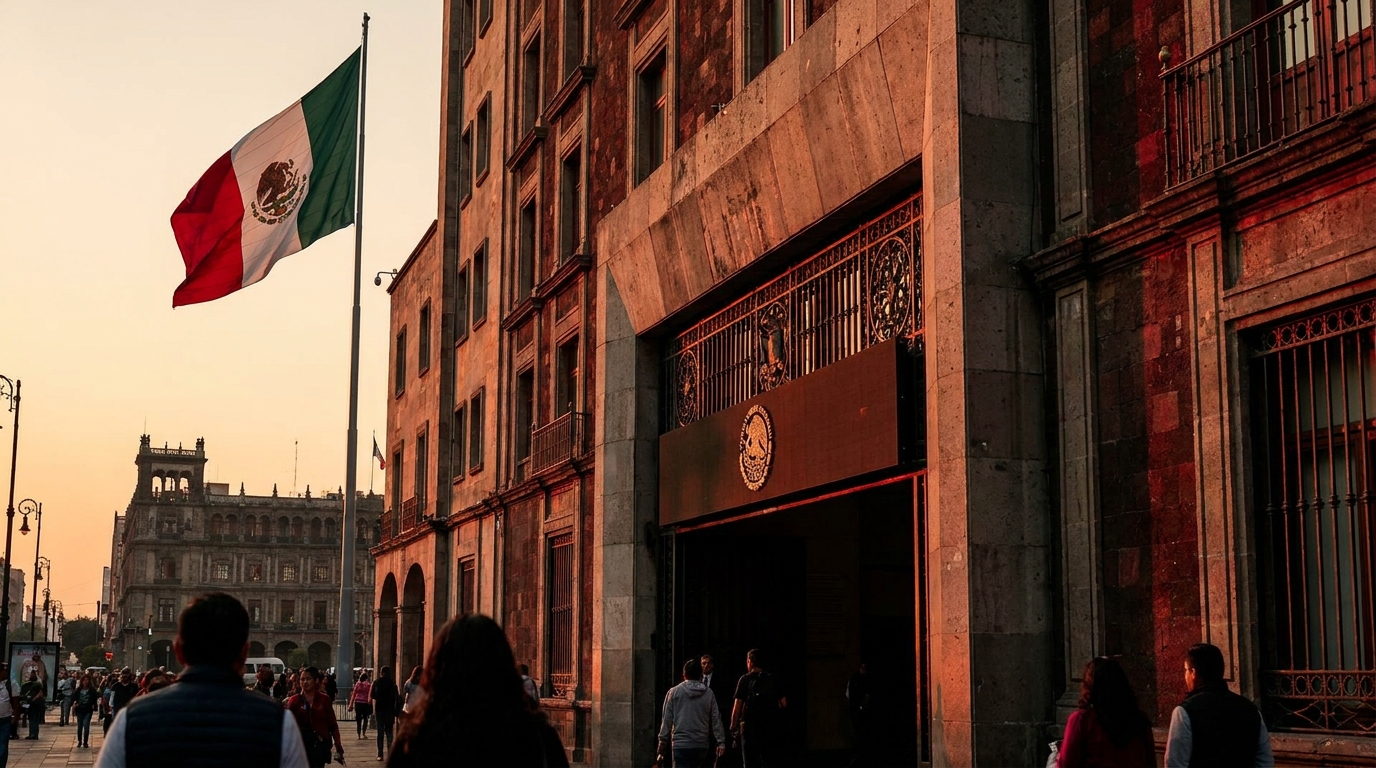
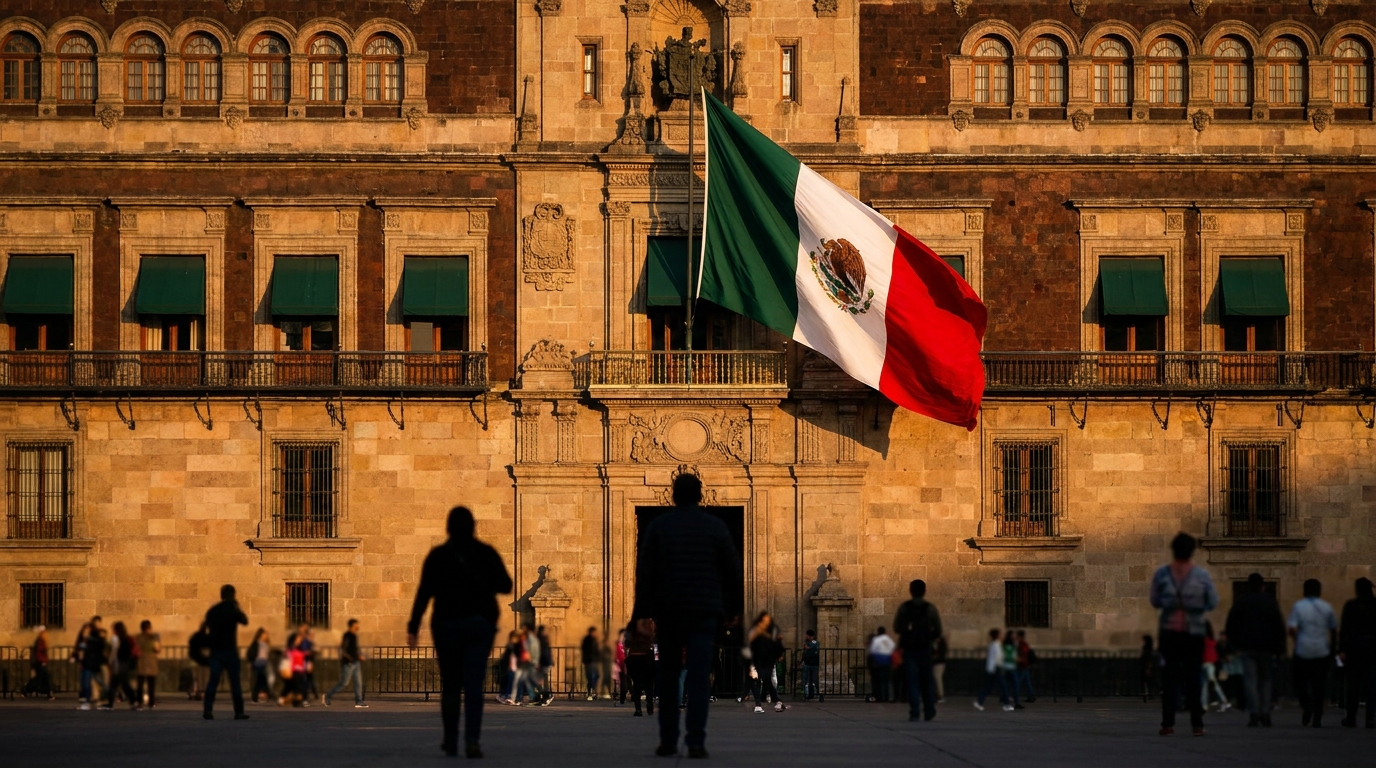
The statement came during the morning press conference at the National Palace, where Sheinbaum addressed the case of Ismael "El Mayo" Zambada, detained in the United States in July 2024. According to El Universal, the president noted that U.S. agencies participated in the operation without notifying Mexican authorities. That unilateral action, she argued, fractured the Sinaloa Cartel and triggered a surge in violence in that state and other regions of the country. Sheinbaum emphasized that coordination, not unannounced action, produces better results for both countries, and cited the reduction in fentanyl trafficking as evidence.
According to La Jornada, the president detailed that the reduction in fentanyl was achieved through information sharing between both governments, operating within a framework of mutual respect for sovereignty. Sheinbaum also pointed to a contradiction in U.S. accounts of Zambada's transfer: while one version suggests the detainee arrived at the border on his own, the FBI presented the aircraft used as part of its own operation. She warned that aligning one criminal group against another does not reduce violence, and stressed that her administration maintains a policy of not making pacts with certain organizations over others. On the possibility of raising the matter with President Donald Trump, Sheinbaum indicated that communication is currently flowing through institutional channels: the Attorney General's Office (Fiscalía General de la República) and the U.S. Department of Justice.
The call from the National Palace comes as the bilateral security relationship faces heightened public scrutiny. Washington's response to Mexico's proposal, and any eventual direct communication between the two heads of state, will set the tone for anti-drug cooperation in the months ahead. For the Mexican community in the United States, the outcome of this dialogue has direct implications for the binational perception of the fight against drug trafficking.
This article was drafted with artificial intelligence assistance from verified sources and reviewed by a human editor before publication.