
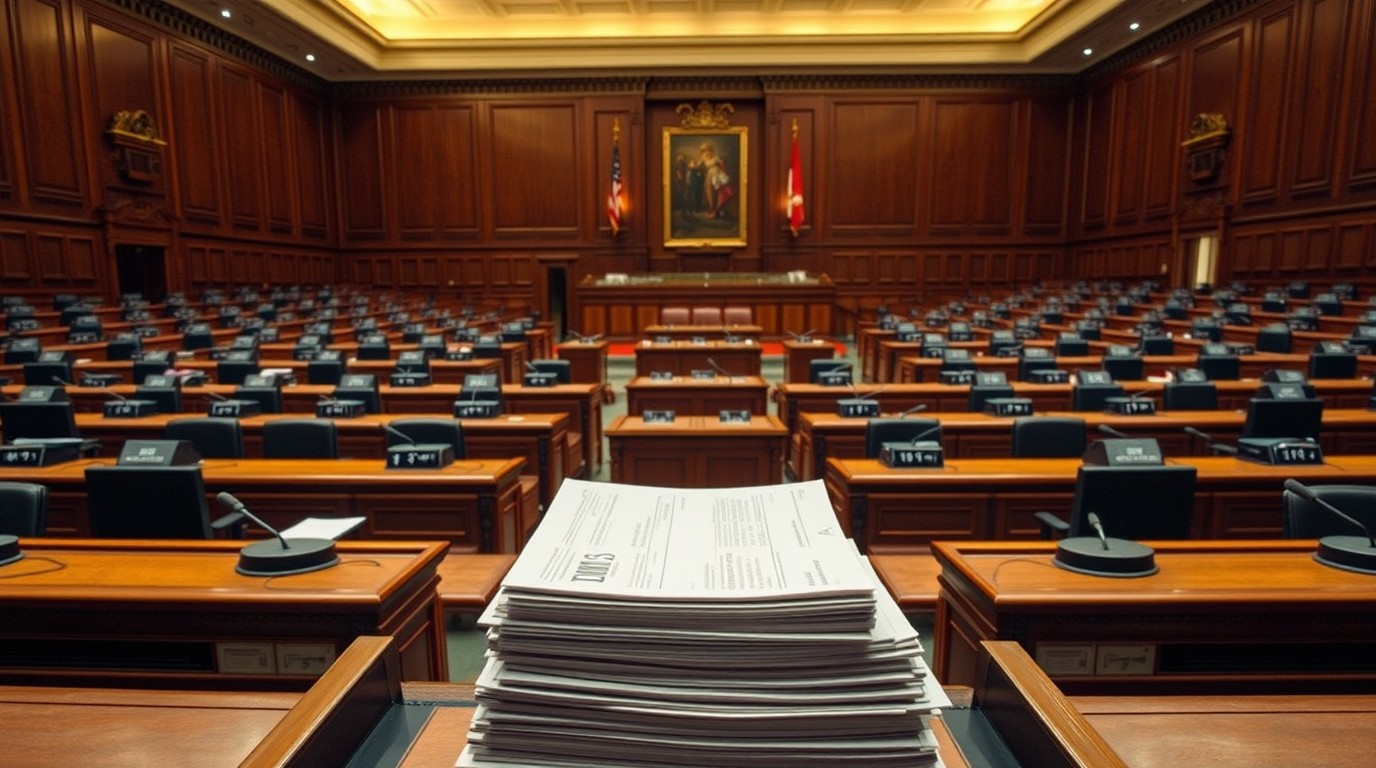
The Senate of the Republic approved the 2027 Federal Revenue Law on Tuesday, October 27, 2026, with estimated revenues of 10 trillion 636 billion 488.1 million pesos and authorization for net domestic borrowing of up to 1 trillion 700 billion pesos, according to the tally by Aristegui Noticias.
The general vote was 75 in favor and 34 against. The debt figure was the focus of the debate: the PAN senator Antonio Martín del Campo estimated that in 2027 the government will allocate 1.57 trillion pesos to the cost of the debt alone, according to El Financiero.
The package matters for Mexico because it not only defines how much the government collects, but also how much the administrative life of households and businesses costs. The Federal Law on Fees, approved without changes relative to the Chamber of Deputies' draft, updates fees for migration and consular services, animal and plant health certifications, aquaculture health, procedures of the National Banking and Securities Commission, water, health and environment, as well as the use of Mexican Airspace. The bill went to the federal Executive for its effects.
In the Income Tax Law (ISR), the Senate approved with 78 votes in favor and 34 against mechanisms that limit the use of authorized deductions and tax losses. The Tax Administration Service stated that, of 737,000 companies that filed income tax returns, 318,000 did not pay the tax, citing tax losses. The Simplified Trust Regime is expanded: legal entities now cover revenues of up to 50 million pesos annually, up from 35 million.
A reservation by Senator Emmanuel Reyes Carmona, approved in the particular vote, exempts from the limit the automotive industry with fiscal deposit and the marketing of gasoline and diesel with a valid permit. Because of that change, the income tax law returns to the Chamber of Deputies to complete the constitutional procedure. The expectation now rests on that second round and on the Expenditure Budget, which will define the spending that will finance the authorized debt.
This article was written with the assistance of artificial intelligence from verified sources and reviewed by a human editor before publication.