Petróleos Mexicanos reported 218.6 thousand tons of methane emissions in the third quarter of 2026, an increase of 19.6% and 35.8 thousand tons more than in July-September 2025, according to Energía a Debate, which cites the sustainability report the company sent to the Mexican Stock Exchange on Friday, October 30.
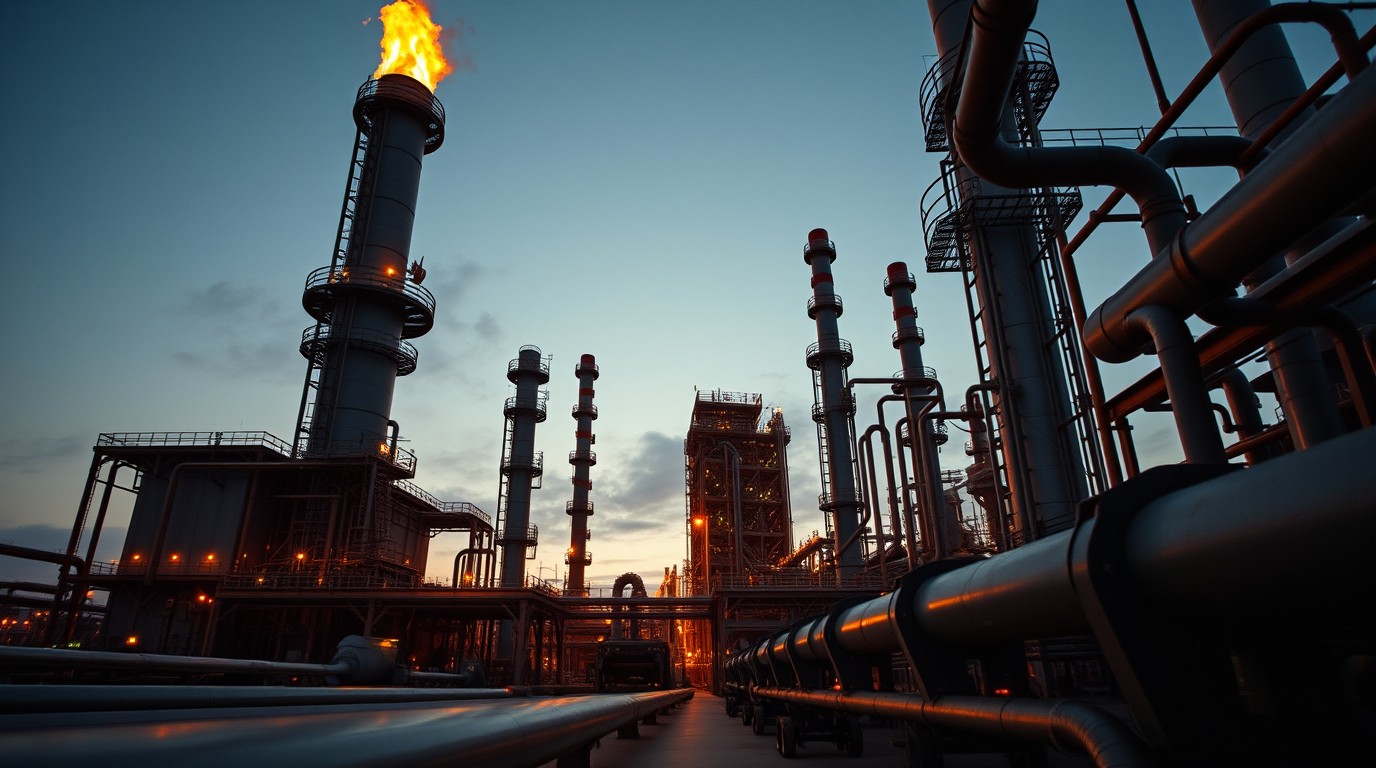
The figure matters for Mexico's climate goals because Pemex committed in its 2024 Sustainability Plan to eliminate gas flaring and venting by 2030. In the January-September cumulative total, methane emissions grew 16.9% compared with the same period in 2025, according to El Economista. In that period, gas released into the atmosphere rose 76.6%, from an average of 396 to 699 million cubic feet per day, and gas utilization in exploration and production fell from 93.7% to 89.3%. In the same cumulative period, carbon dioxide equivalent emissions reached 57.9 million tons, 14% more than a year earlier.
The report also recorded 19.5 million tons of carbon dioxide equivalent in the quarter, 12.1% more than the 17.4 million in July-September 2025. Sulfur oxide emissions reached 390.7 thousand tons, a rise of 12.6% from 347 thousand. Pemex attributed the increase in methane to lower gas utilization during the period, and the sulfur increase to the higher content of that element in the gas processed at its complexes. To address this, it began conceptual engineering studies at gas processing complexes and refineries, the first stage of collaboration with the World Bank's Global Flaring and Methane Reduction initiative. The company added that it is monitoring alerts from the Methane Alert and Response System of the International Methane Emissions Observatory (IMEO-MARS). In its environmental risk inventory it reported 240 risks, 80 addressed, with an estimated investment of 16.5 billion pesos.
For the fourth quarter, Pemex expects sulfur oxide emissions to begin declining with the start-up of sulfur recovery plants, and it scheduled evaluations in exploration and extraction within the first stage with the GFMR.
This article was written with the assistance of artificial intelligence from verified sources and reviewed by a human editor before publication.