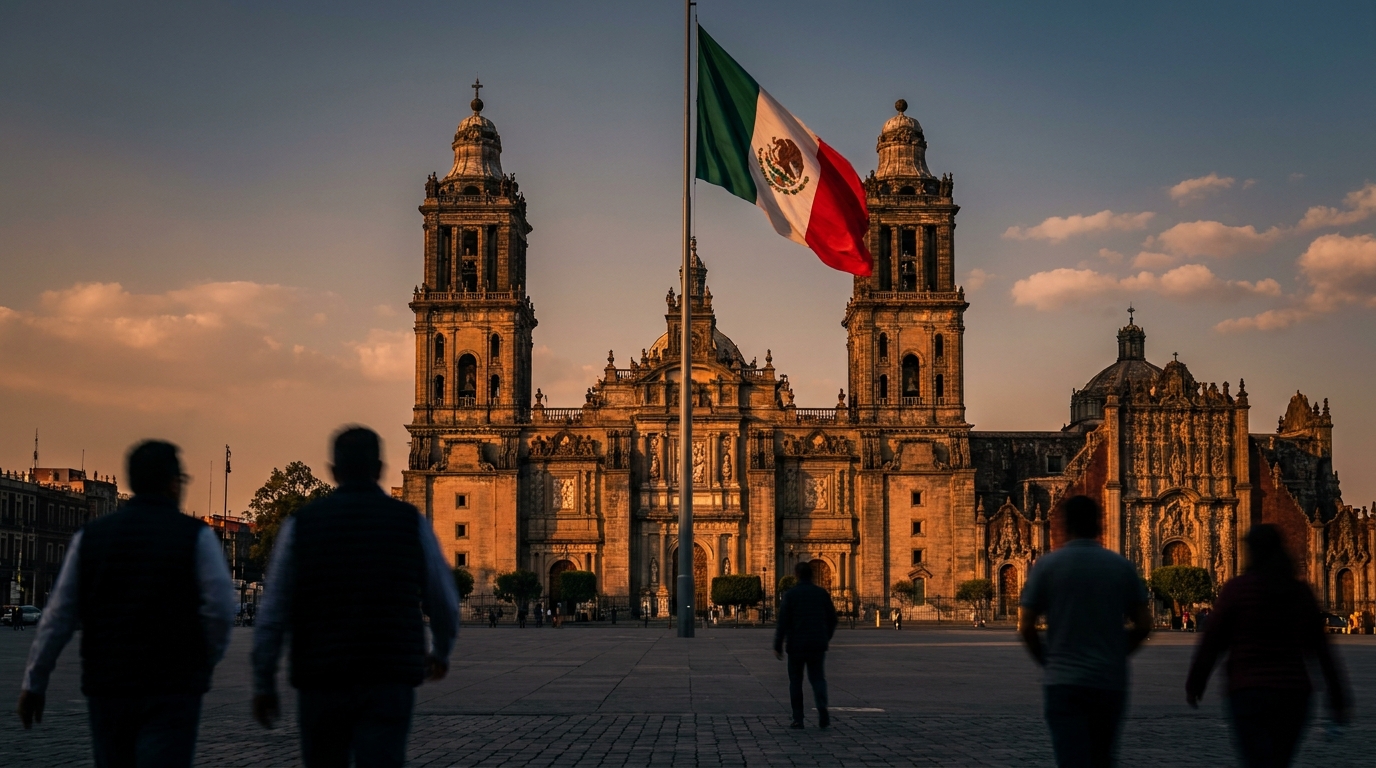
The third bilateral round of the USMCA review opened on July 21 in Mexico City, with agriculture as one of the central topics on the negotiating table. Mexico arrives at the table with a new labor and environmental certification framework for its agro-export sector, the front where the U.S. government has concentrated its trade demands.
The treaty's six-year review, which entered its formal phase on July 1, 2026, brings together this week the teams of Economy Secretary Marcelo Ebrard and U.S. Trade Representative Jamieson Greer. According to the USTR statement published on July 17, the agenda covers steel, aluminum, the automotive sector, agriculture, labor, and electronic payment services. For Mexico, the agriculture chapter is a priority: avocado exports totaled approximately 3,500 million dollars in 2024, while berry exports reached 3,776 million, according to data from the Grupo Consultor de Mercados Agrícolas cited by Expansión. U.S. pressure is no longer purely about tariffs; scrutiny has shifted toward labor and environmental conditions, Hugo Alberto Michel Uribe, a researcher at the Universidad de Guadalajara, told the outlet.
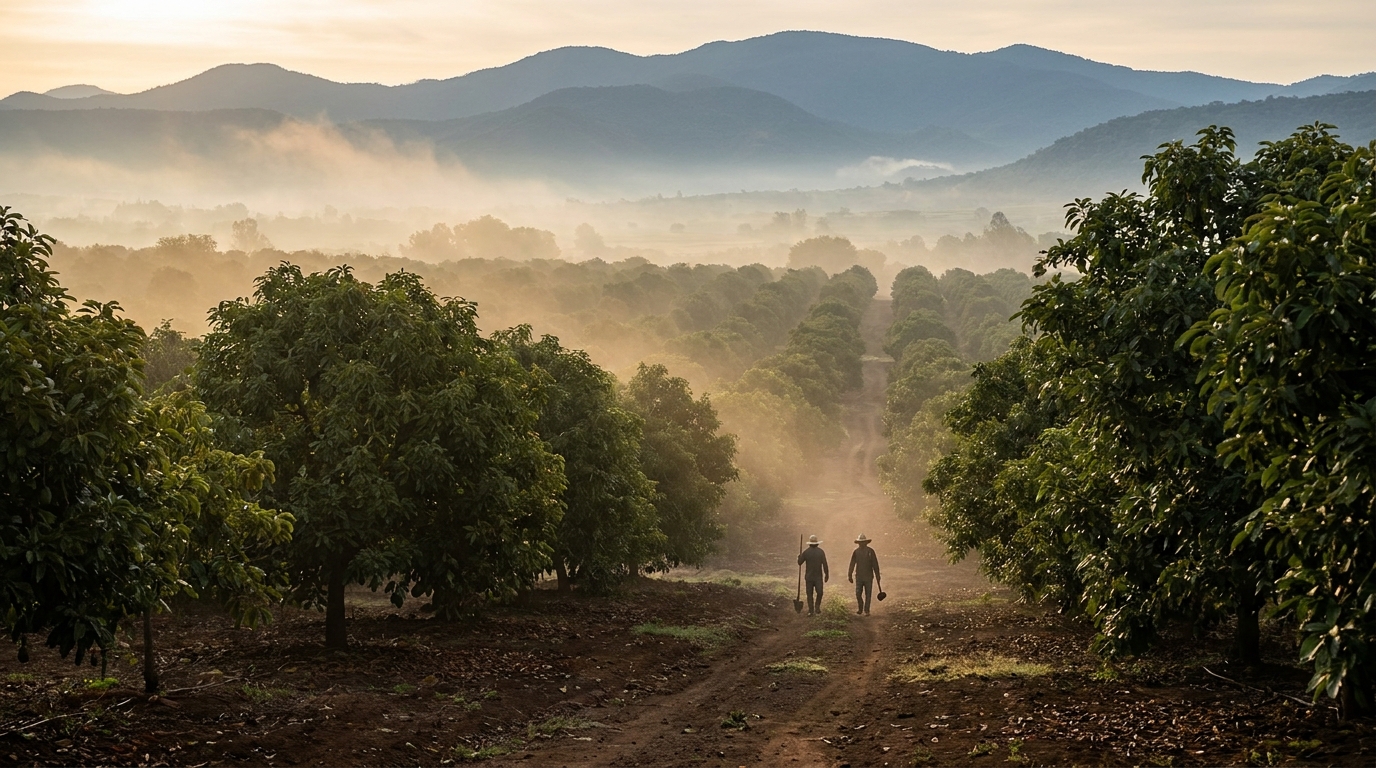
Mexico activated three instruments ahead of this round. The ProForest Avocado program, operated by the Agriculture Secretariat, already certifies approximately 90 percent of avocado exports from Michoacán to the United States and has blocked the export of approximately 2,000 orchards that could not verify the legal origin of their land, according to Infobae. The Ministry of Environment and Natural Resources published the Deforestation-Free Certificate in October 2025, certifying production without illegal changes to forest land use. The third pillar is the Labor Certificate for Agro-Exports, whose enabling legal reform was published in the Diario Oficial de la Federación on May 1, 2026. That reform, submitted to Congress by President Claudia Sheinbaum in March, amended the Federal Labor Law, the Organic Law of the Federal Public Administration, and the Foreign Trade Law to authorize the Ministry of Labor and Social Welfare to issue labor compliance and social security certificates for export products.
The bilateral round concludes on July 24. The zero-deforestation target for the agro-export sector, which began with avocado, will be progressively extended to berries, mangoes, and citrus fruits by 2030, according to the plan announced by the Mexican government.
This article was drafted with artificial intelligence assistance from verified sources and reviewed by a human editor before publication.