The International Energy Agency projects that Mexico's production of liquid hydrocarbons will drop from 1.8 million barrels per day in 2025 to about 1.2 million in 2035, a 33% decline, according to its World Energy Outlook 2026, published on November 19, 2026.
The forecast appears in the flagship report the agency publishes every year and contrasts with the target Petróleos Mexicanos presented to Congress. The document projects global energy supply and demand across several horizons and, for Mexico, draws a downward curve in liquid hydrocarbons. According to Energía a Debate, Pemex director Juan Carlos Carpio Fragoso told the Energy Commission of the Chamber of Deputies in early November that liquids production will rise from 1.65 to 1.8 million barrels per day by 2028, with the start-up of Trion and Zama. The gap between the two figures matters because oil revenue is a component of the federal budget and its amount is calculated on the volume the country manages to place.
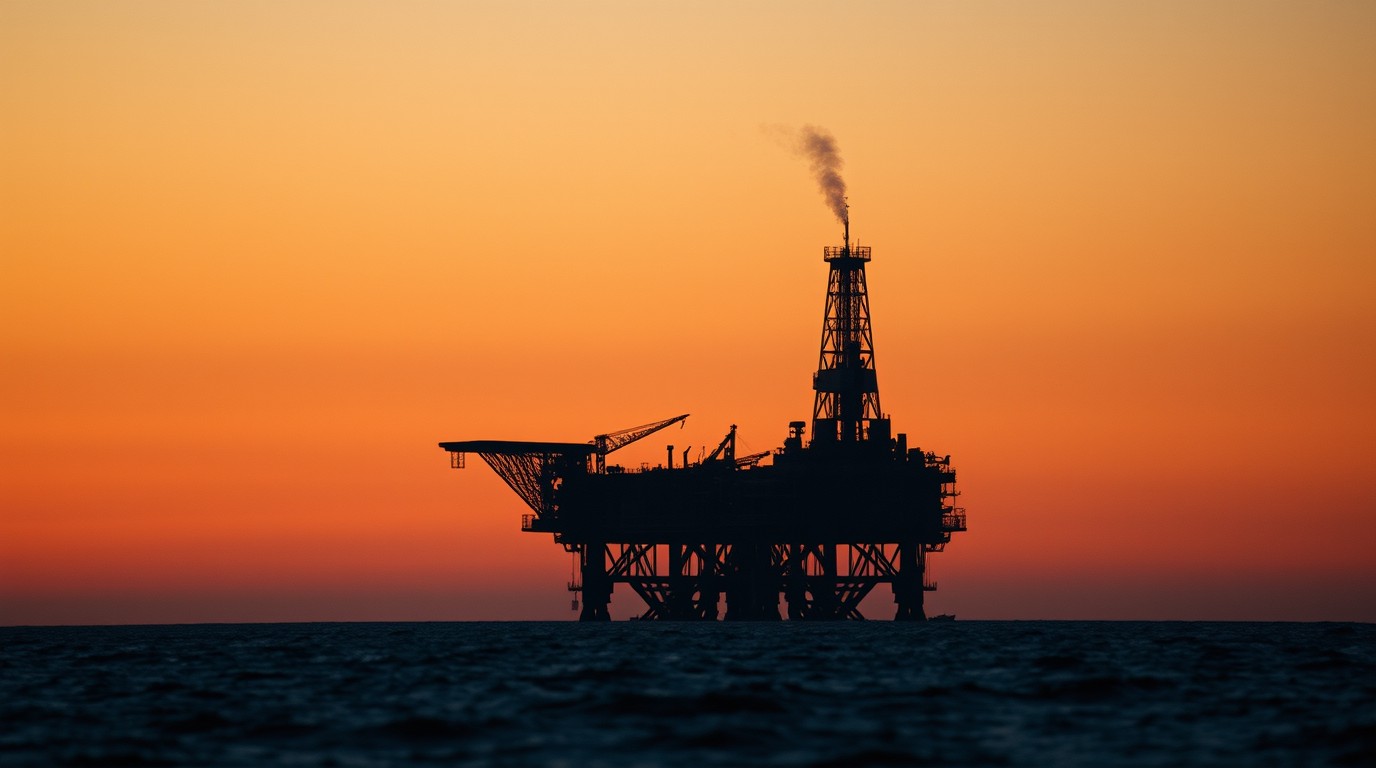
The report calculates a reduction of about 600,000 barrels per day over a decade, one third of the current volume, according to Municipios Puebla, which also places Argentina, Brazil and Venezuela with increases in the same period. For Mexico, the IEA estimates that the Zama field, off the coast of Campeche, will begin producing in early 2030 and will only partly offset the decline of other deposits. Trion, the deepwater project Pemex is developing with Woodside Energy, will start up around 2027, a few months earlier than the Australian company had planned. The agency attributes the trend to a mature resource base and limited addition of new projects.
The trajectory the report draws weighs on fiscal planning and on medium-term energy strategy. Pemex's upcoming monthly production reports and the progress of Trion and Zama will show whether the curve changes or holds.
This article was written with the assistance of artificial intelligence from verified sources and reviewed by a human editor before publication.