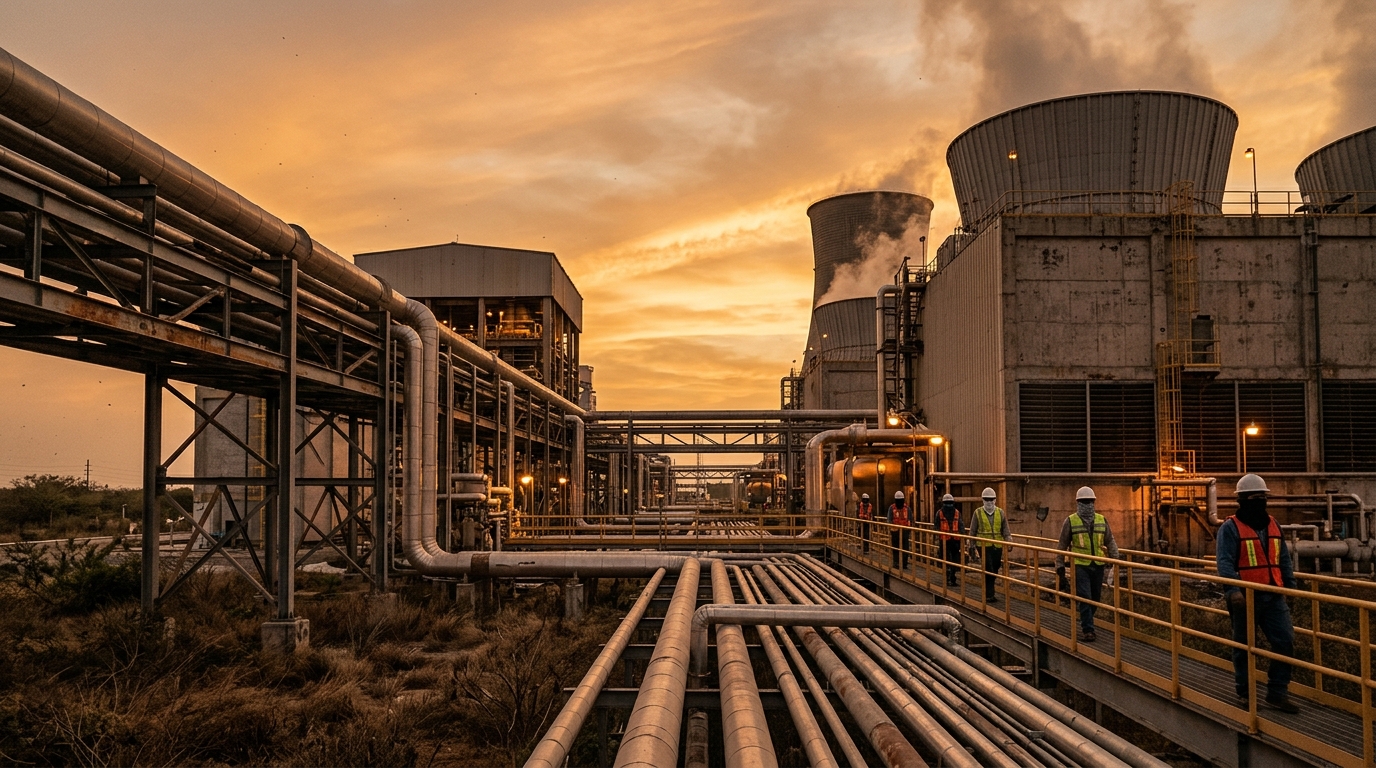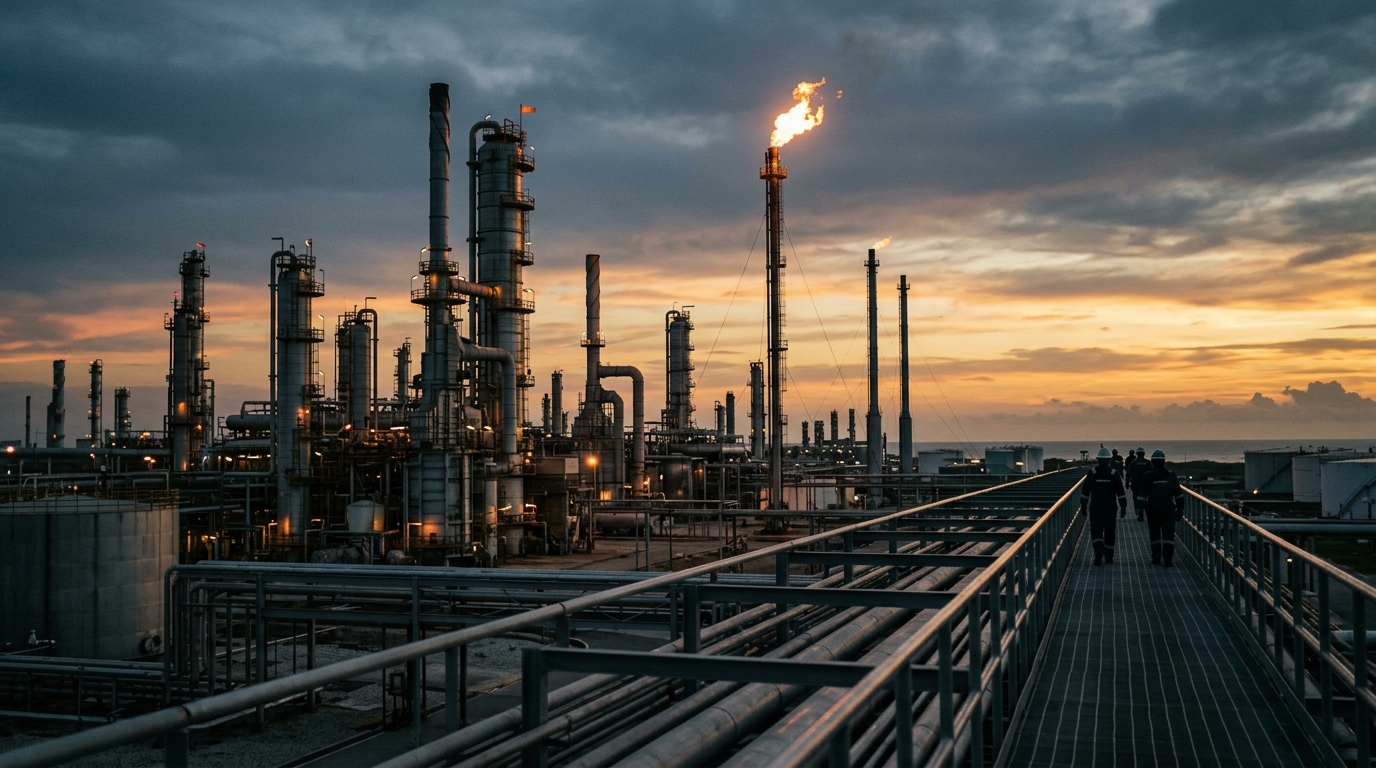
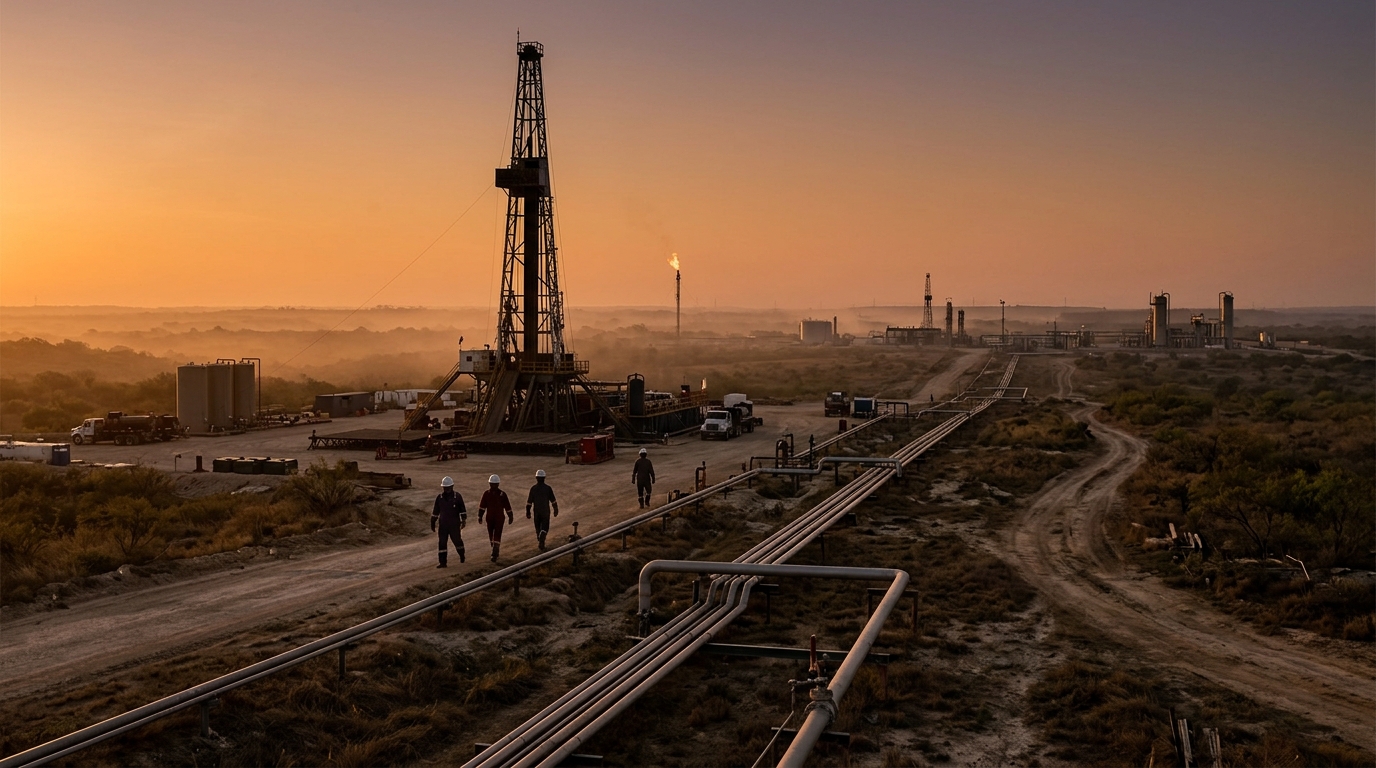
The Comité de Científicos y Especialistas para el Análisis de Explotación de Gas Natural No Convencional on August 6 recommended banning fracking in the Tampico-Misantla basin, which holds 20.7 trillion cubic feet of prospective resources, according to Energía a Debate. The recommendation was delivered during the morning press conference led by Science Secretary Rosaura Ruiz.
The committee, convened by the Secretaría de Ciencia, Humanidades, Tecnología e Innovación (Secihti), proposes continuing evaluation in the Sabinas-Burro-Picachos basin (Coahuila and Nuevo León) and the Burgos basin (northeastern Tamaulipas). The review proceeds basin by basin, applying environmental, social, and demographic density criteria. It is not a blanket opening or closing of fracking. Interest in domestic gas is driven by import dependence: roughly 75 percent of supply comes from abroad and 70 percent of electricity is generated with this fuel, according to figures presented at the press conference. Of the gas Mexico buys from the United States, 93 percent is produced through fracking, noted specialist Alma América Porres Luna. According to BNamericas, the objective is to reduce dependence on U.S. gas.
Of the estimated total of 141.5 trillion cubic feet in prospective resources, Burgos holds 53.8 (38 percent), Sabinas-Burro-Picachos holds 67 (47 percent), and Tampico-Misantla holds 20.7 (15 percent). To advance in the two northern basins, the committee conditions exploitation on confirming the existence of deep saline water not connected to shallow aquifers, validating reserves through exploratory wells, and conducting prior community consultations. Additional conclusions include accelerating renewable energy integration, increasing conventional gas production, and establishing independent scientific monitoring of aquifers, seismicity, and ecosystems.
President Claudia Sheinbaum said her government will issue a decree banning fracking in Tampico-Misantla and that exploratory wells will be drilled to verify the existence of deep saline water. If none is found, the unconventional route in that basin will be closed. The decision on the northern basins will come with the next evaluation phase.
This article was written with artificial intelligence assistance from verified sources and reviewed by a human editor before publication.