
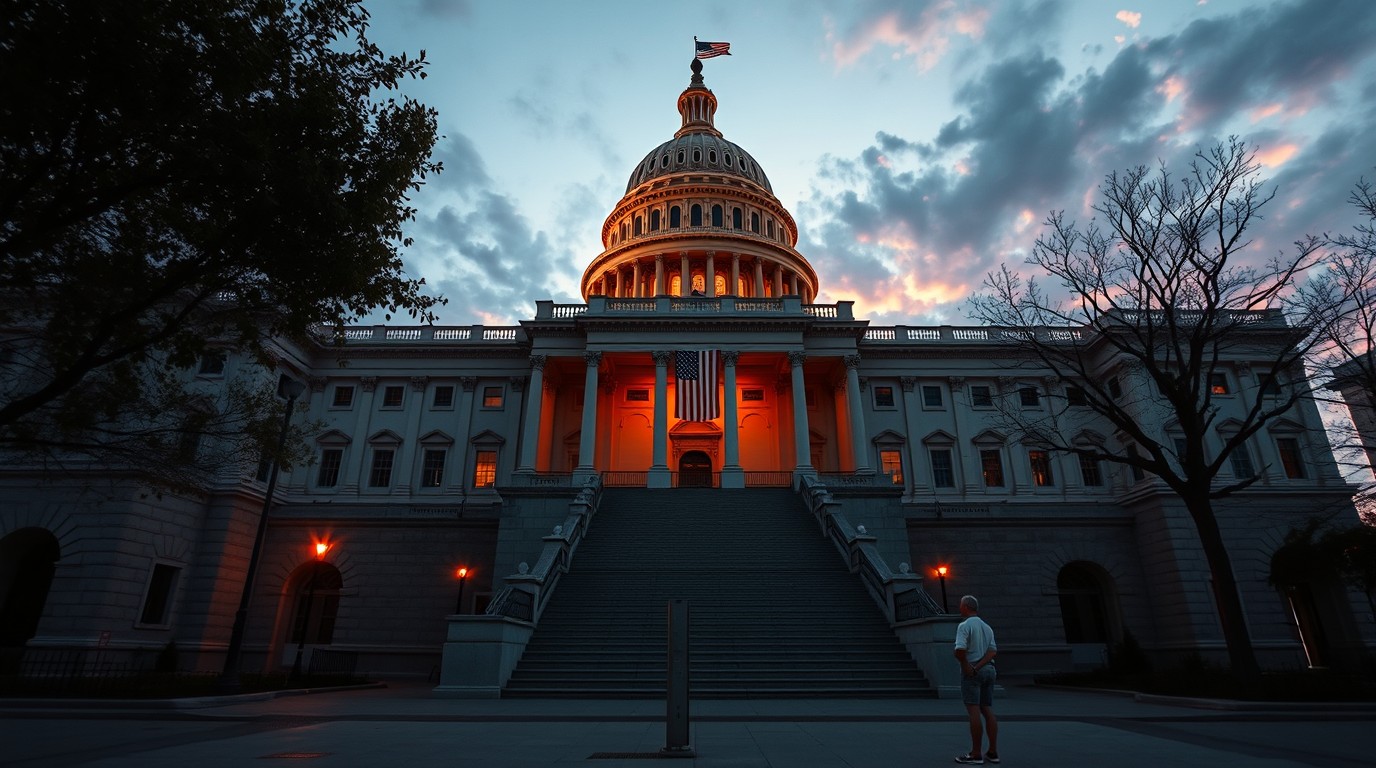
A divided United States Congress following the November 3, 2026 elections leaves pressure on Mexico over trade, migration and security intact, according to an analysis by the consultancy Integralia published on November 3, 2026 by El Economista. The report projects that the US elections will shape the bilateral relationship during 2027 and 2028.
The reading matches that of academics consulted by Expansión Política. Rafael Velázquez, president of the Centro de Enseñanza y Análisis sobre la Política Exterior de México (CESPEM) and a professor at the Universidad Autónoma de Baja California, explains that an executive with less room to maneuver in domestic politics looks for space abroad. José Andrés Sumano, a professor at El Colegio de México, adds that this search for room translates into security results with Mexico. For the Mexican and Mexican-American community, the point matters because the conditions of the USMCA review, migration treatment and security cooperation depend on it.
Integralia's analysis provides figures to size up the scenario. The United States refused in July 2026 to extend the USMCA for 16 years, which triggered annual reviews between 2027 and 2036, and the pending negotiation topics rose from 54 to 94. Encounters between Mexicans and US border authorities fell from 808,340 in 2022 to 96,960 in 2025, although restrictive migration policy is unlikely to change because of the composition of Congress. On security, drug trafficking and organized crime maintain bipartisan consensus and are tied to tariffs and trade conditions. On China, the report notes allegations that Mexico serves as a back door for Chinese goods and recommends strengthening traceability and due diligence.
The next point of attention is concrete: the annual USMCA reviews begin in 2027, with a pending agenda that has already grown from 54 to 94 topics. The final composition of Congress and the start of the new legislative term will set the tone for that negotiation and for demands on migration and security.
This article was written with the assistance of artificial intelligence from verified sources and reviewed by a human editor before publication.