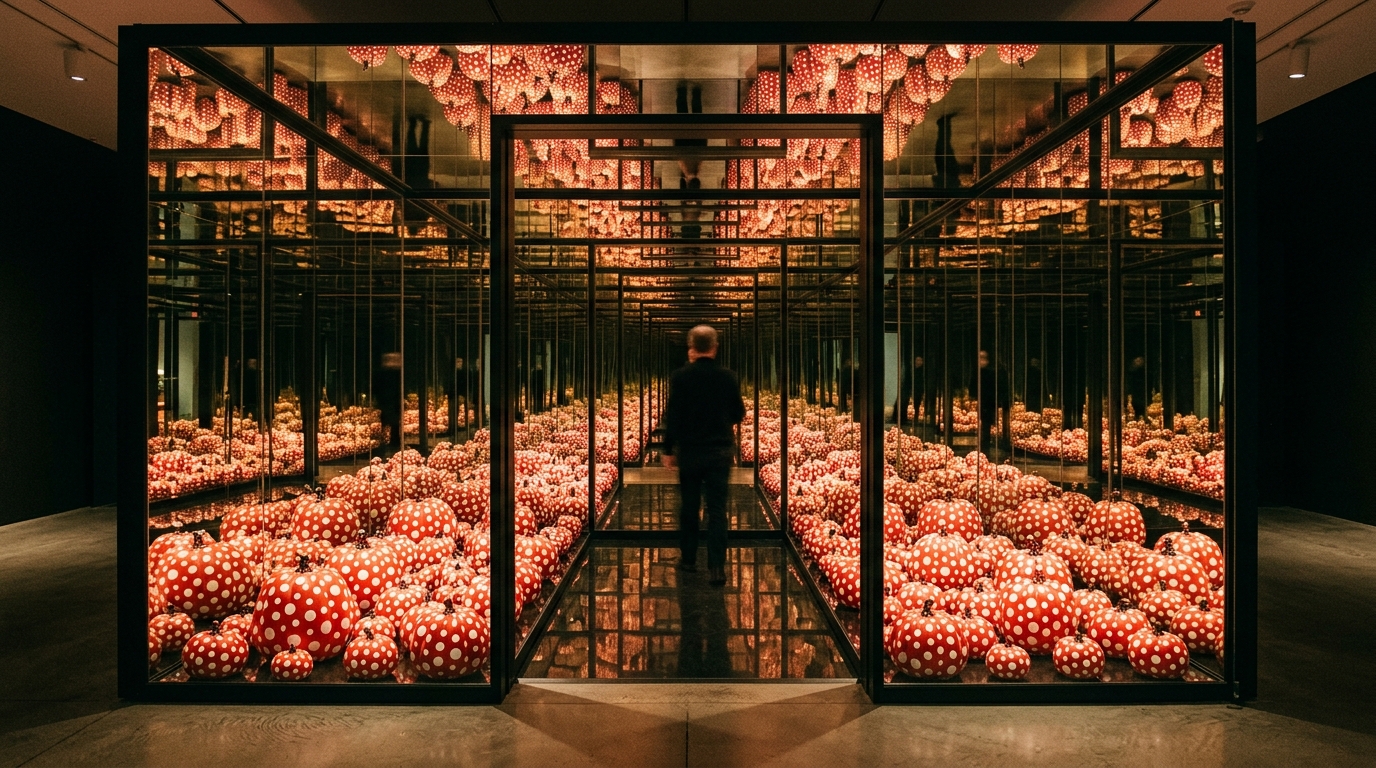
Mexican artist Betsabeé Romero will inaugurate, this Saturday August 29, the exhibition "Porque ahora pienso en ti, más que ayer, mucho más" at the Museo del Estanquillo in Mexico City, a tribute to chronicler Carlos Monsiváis 16 years after his passing in 2010.
Monsiváis, born in 1938, was the chronicler of Mexican popular culture: he documented everyday life through chronicles, essays, and his personal collection, covering everything from cinema and lucha libre to music and urban traditions. The Museo del Estanquillo, founded by the writer himself in 2006 to house his collections, is marking the anniversary with this exhibition, the first installation the venue has hosted in its nearly 20 years of existence, according to El Universal Cultura. Sixteen years after his death, reflection on his legacy also figures in assessments such as the one published by Forbes México, which positions him as an enduring reference for reading the Mexican present.
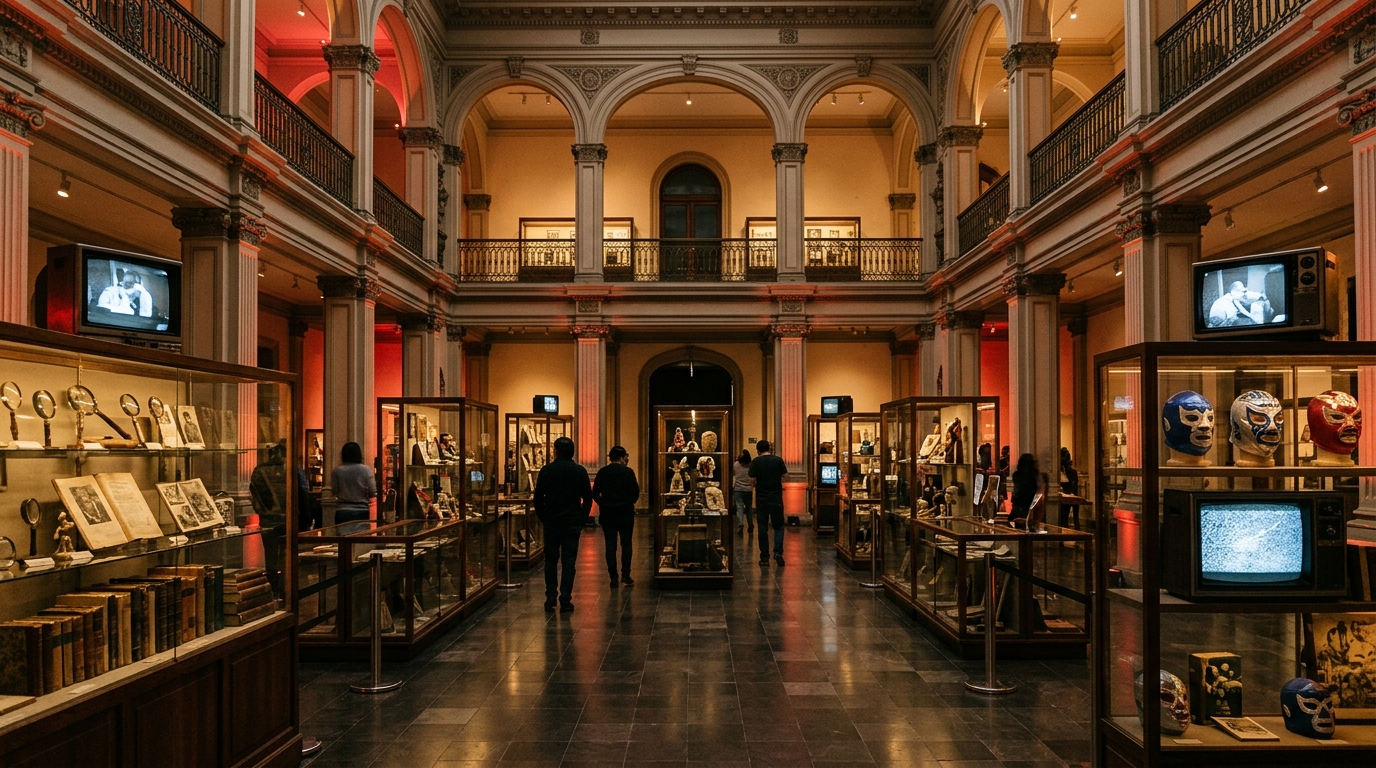
The exhibition takes its title from the song "Hasta que te conocí" by Juan Gabriel, and Romero explained that she chose that phrase because of the moment the country is living through. The artist transformed room 3 of the museum into a series of chambers: in "The Fierce Magnifying Glass Room," engraved magnifying glasses project scenes onto the author's books; in "The Room of Lenses," urban landscapes are reflected on paper hands whose lines trace the Metro routes running through the Portales neighborhood, where he lived. Completing the tour are "El Santo and the Masks of the City," dedicated to lucha libre, and "The Tattooed Television," featuring vintage tube televisions showing the faces of celebrities he portrayed, such as Juan Gabriel and María Félix. Romero, a printmaker, said that "popular graphics, for me, was the most liberal and propositional part of the entire Mexican School."
The exhibition opens to the public on Saturday, August 29, at 12:00 p.m. at Isabel La Católica 26, in the Historic Center of Mexico City. It is the first installation of this kind in the venue's history, and a compelling reason to return to the museum that Monsiváis founded.
This article was written with artificial intelligence assistance based on verified sources and reviewed by a human editor before publication.