U.S. Ambassador to Mexico Ronald Johnson on Saturday, August 15, championed the integration of ethanol into North American fuels, according to Energía a Debate. In a post on X, he stated that energy security is a priority for President Donald Trump and that the progress opens opportunities for producers in both countries.
The statement comes as U.S. Undersecretary for Trade and Foreign Agricultural Affairs Luke Lindberg visits Mexico. Lindberg held a second round of meetings with the Undersecretary for Hydrocarbons at the Ministry of Energy (Sener), led by Juan José Vidal Amaro, as reported by El Universal. In July, Energy Secretary Luz Elena González and Lindberg launched a technical dialogue to analyze the incorporation of ethanol into Mexican gasoline. Mexico has had a Biofuels Law since 2024, though it has yet to define concrete production targets. Sener estimates that the country can obtain up to 40 percent of its primary energy from organic and solid waste, as Undersecretary for Planning and Energy Transition Jorge Islas Samperio indicated in May.
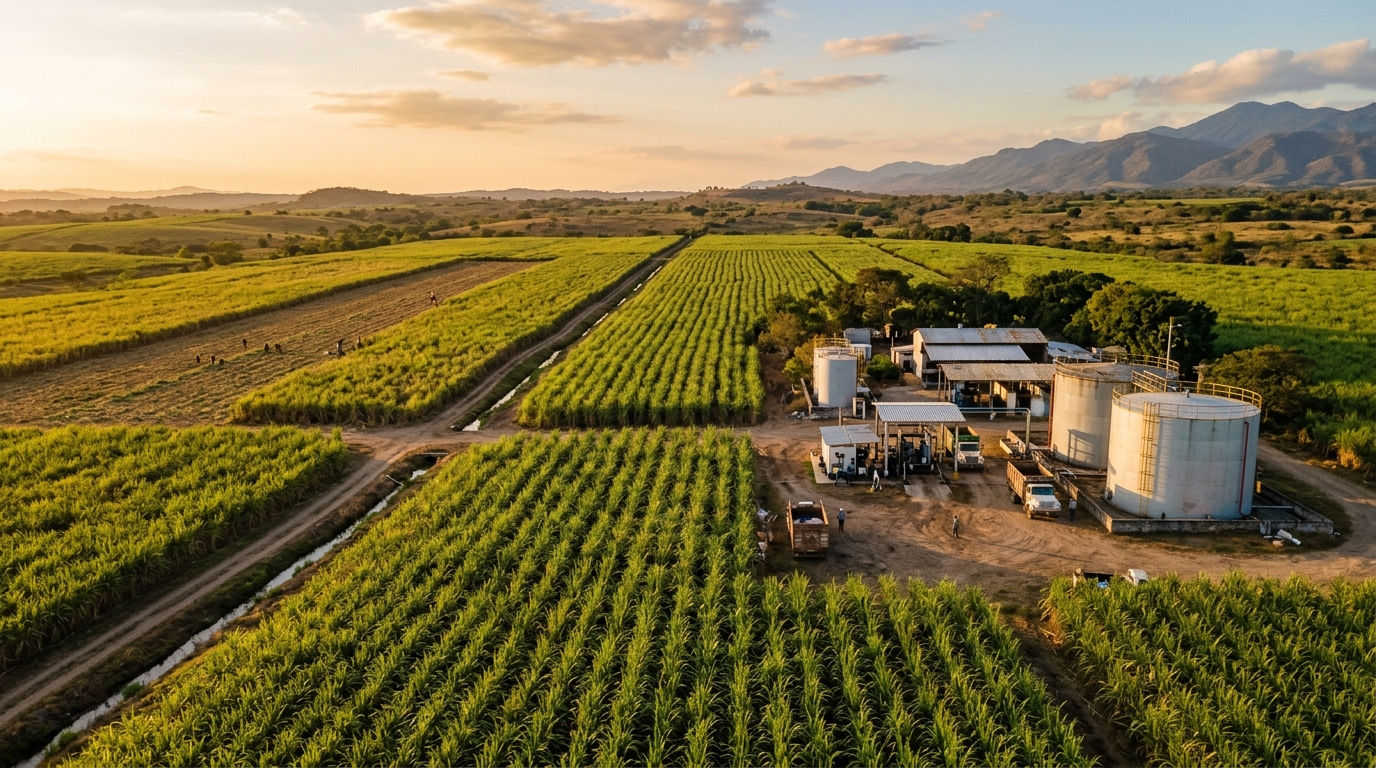
Mexican Official Standard NOM-016-CRE-2016 currently allows a maximum of 5.8 percent ethanol in the country's gasoline, and authorities are studying raising that limit to 10 percent. Lindberg said after the meeting: "We discussed establishing several launch sites and a multi-stage framework to expand ethanol adoption." Vidal Amaro emphasized that bilateral technical cooperation opens opportunities to strengthen strategic sectors including hydrocarbons, biofuels, and agriculture. Sener has pointed to leveraging sugarcane and sorghum surpluses for biofuel production, without compromising food security.
The technical dialogue between the two agencies remains open, and the decision on whether the ethanol blend rises from 5.8 to 10 percent will be the next milestone for producers in this segment in both Mexico and the United States, who are watching the NOM rules closely.
This article was drafted with artificial intelligence assistance from verified sources and reviewed by a human editor before publication.