The United States Department of Agriculture (USDA) announced on July 24, 2026, that it will reopen Mexican cattle imports beginning August 24, starting at the port of Douglas, Arizona, after more than a year of sanitary restrictions due to the New World screwworm. The decision reactivates a trade flow that, before the ban, averaged one million head of cattle per year between the two countries.
The ban, imposed in late 2024 following the detection of the screwworm in southern Mexico, disrupted one of the most critical supply chains for North America's beef industry. The parasite, whose larvae bore into the living flesh of warm-blooded animals and can kill cattle within days if left untreated, prompted the USDA to close the border to Mexican cattle for more than a year. During the ban, US cattle inventories fell to their lowest level in 75 years and beef prices reached all-time highs, according to USDA data cited by Forbes México. The measure also depressed prices received by Mexican ranchers, who lost access to their primary export market.
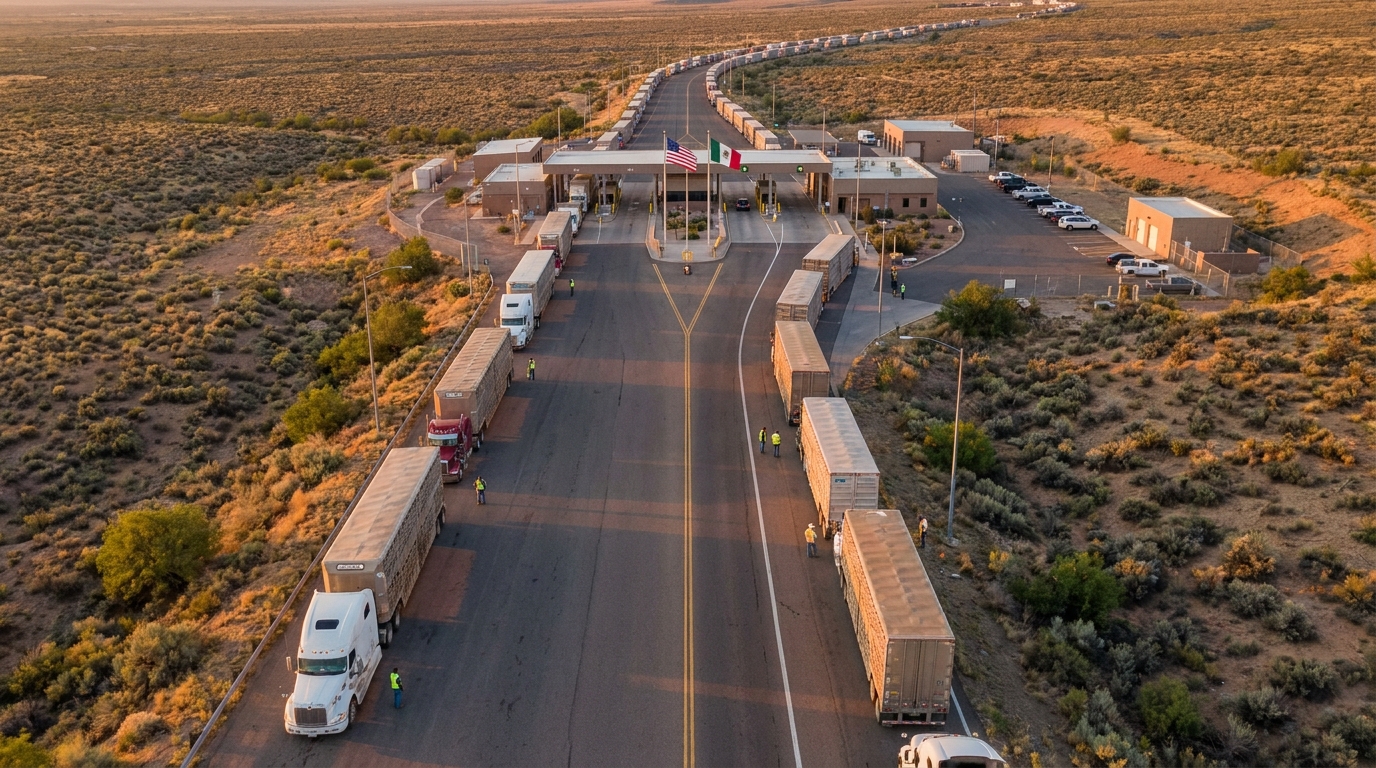
The reopening will be phased and is conditional on Mexico meeting a joint screwworm control plan. Every animal crossing through designated ports will undergo a full USDA inspection. Douglas, Arizona (bordering Agua Prieta, Sonora) was chosen as the first point of entry because of its distance from the highest-infestation zones in Mexico: the nearest active case was approximately 525 kilometers away at the time of the announcement. A second phase will add two ports in New Mexico (Santa Teresa and Columbus), followed by two more in Chihuahua. The pest had already crossed into US territory despite the ban: by June 2026, 42 cases had been detected in the United States, 41 of them in Texas, according to El Financiero.
President Claudia Sheinbaum confirmed receiving a letter from USDA Secretary Brooke Rollins with the formal notification and issued instructions to expedite preparations on the Mexican side. The resumption of live cattle trade is the first concrete sign of normalization in a bilateral sanitary dispute that affected producers and consumers on both sides of the border.
This article was drafted with artificial intelligence assistance based on verified sources and reviewed by a human editor before publication.