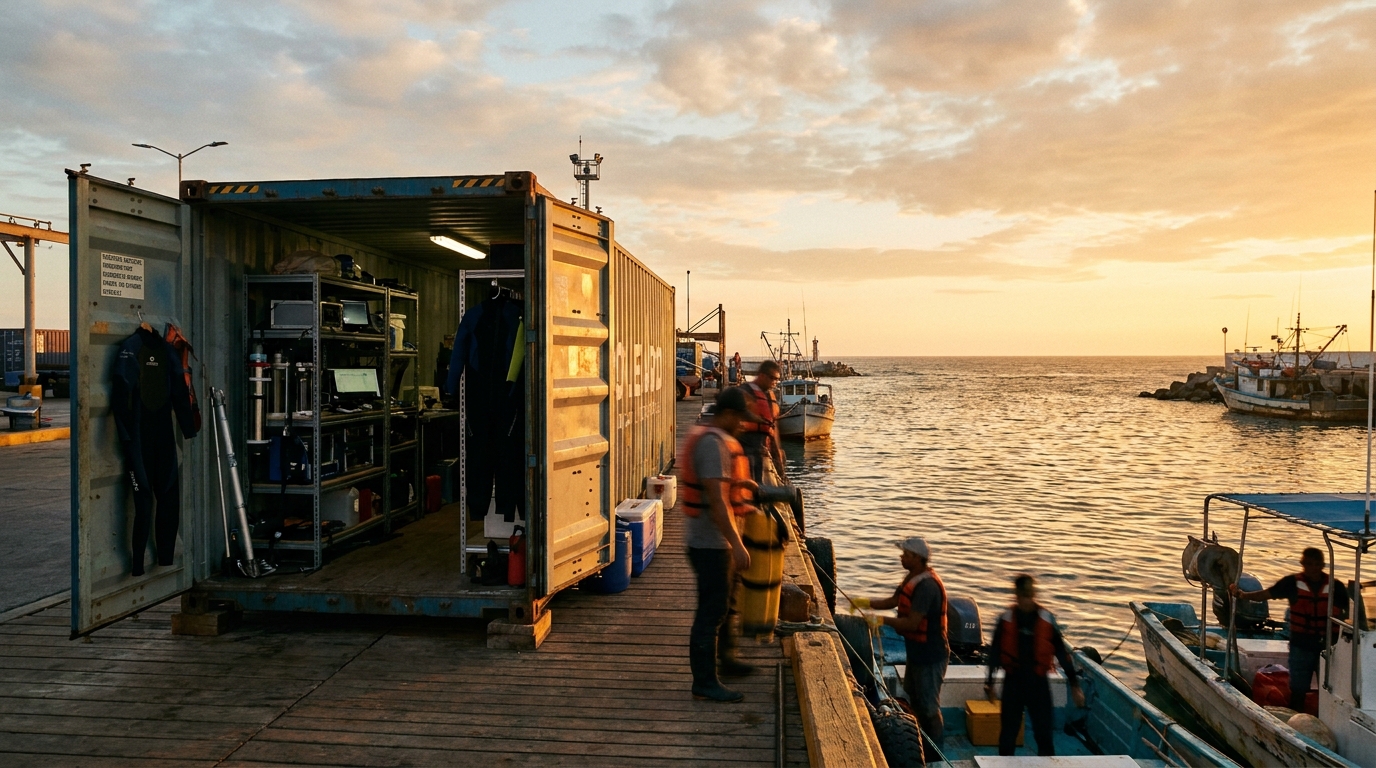
Researchers at UNAM's Institute of Biotechnology (IBt), led by biologist Liliana Pardo López, have launched a mobile marine laboratory housed inside a shipping container to evaluate bacteria capable of degrading hydrocarbons and plastics directly on Mexico's coastlines, the newspaper Reforma reported on July 13, 2026.
The laboratory operates under UNAM's Oceanographic Platforms Coordination (COPO) and is the product of several years of research in which Pardo López's team has characterized marine bacteria from the Gulf of Mexico with bioremediation properties. According to the researcher's academic profile in the UNAM Graduate Program in Biochemical Sciences, her group conducts oceanographic cruises spanning from Tamaulipas to Veracruz, exploring bacterial communities from the surface down to depths of 3,000 meters.
Mexico has 11,122 kilometers of coastline, according to INEGI data, making it especially urgent to develop homegrown biotechnological tools for addressing hydrocarbon spills and plastic accumulation in marine ecosystems. The laboratory's portability allows it to be deployed to different coastal sites as conditions require.
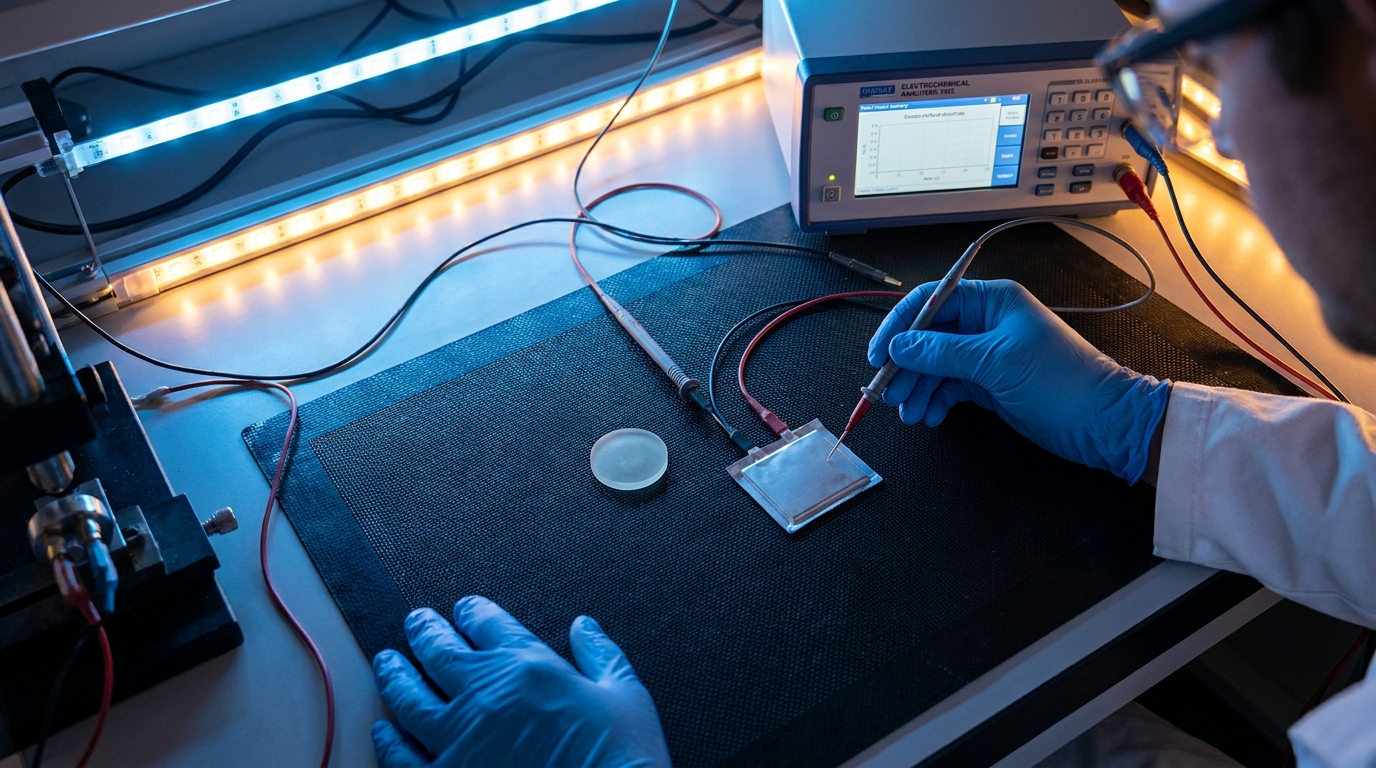
The mobile laboratory is a shipping container outfitted with complete molecular biology and biochemistry instrumentation, enabling genomic analysis and enzymatic assays directly in the field. Pardo López's team has isolated bacterial strains from the Gulf of Mexico with demonstrated capacity to degrade polyurethane, one of the most difficult plastics to recycle. One of these strains, identified as Stutzerimonas frequens GOM2, degraded 30 percent of polyurethane in just 15 days and reversed the embryonic toxicity the material caused in zebrafish, according to a study published in Marine Pollution Bulletin in 2025.
In parallel, the group developed HADEG, a curated database of hydrocarbon-degradation enzymes and genes, and designed bacterial consortia capable of degrading crude oil under controlled marine conditions.
The next phase of the project envisions deploying the mobile laboratory to sites with active contamination from spills or plastic accumulation in the Gulf of Mexico. The objective is to validate the effectiveness of native bacteria under real-world conditions and generate bioremediation protocols that can be adopted by environmental authorities and coastal communities.
This article was produced with artificial intelligence assistance from verified sources and reviewed by a human editor before publication.