On July 16, President Claudia Sheinbaum dismissed as "baseless" and "without substance" the statements made by U.S. Drug Enforcement Administration (DEA) Director Terrance Cole, who claimed on July 14 that a "deadly connection" exists between drug trafficking cartels and the Mexican government.
In an interview with El Universal, Cole maintained that "drug traffickers and high-ranking Mexican officials have been in bed together for years" and that corrupt officials are "equally responsible" for fentanyl deaths in the United States. The DEA director stated that dismantling this alleged alliance is the agency's number one priority and that its investigations target "the colluding Mexican political class head-on."
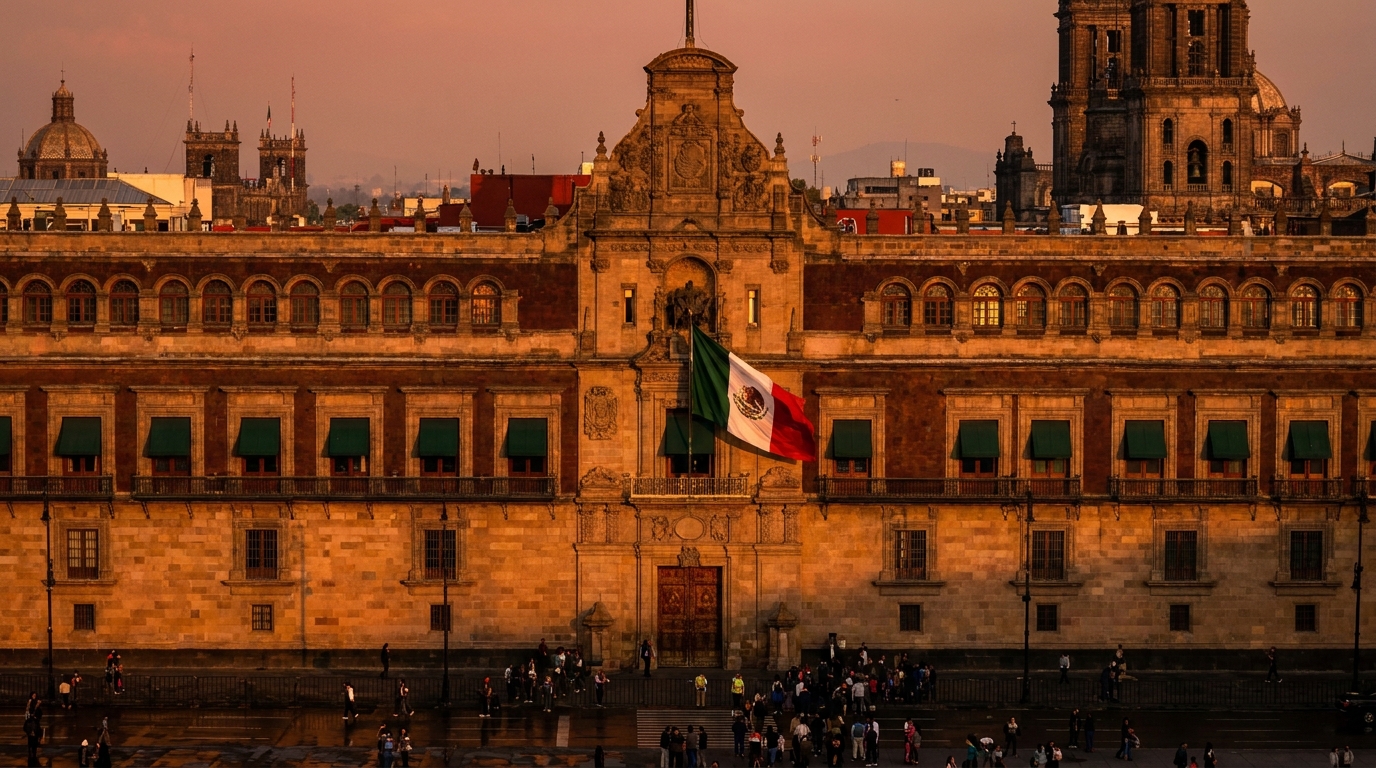
Speaking from the National Palace, Sheinbaum called the statements "a deeply unfortunate remark" and politically motivated, according to Expansión Política. The president urged the DEA to focus on investigating drug distribution, sales, and money laundering within the United States and cited a 48 percent reduction in intentional homicide during her administration. Sheinbaum noted that there are documented cases of DEA agents linked to organized crime, including a former head of the agency in Mexico removed for ties to cartel kingpins' lawyers.
The exchange unfolds as Washington expands its list of Mexican cartels designated as foreign terrorist organizations, a classification that began in 2025 with the Sinaloa and Jalisco New Generation cartels. In June 2026 it added the Juárez Cartel and Los Viagras, joining the six groups classified to date, with sanctions that include asset freezes and penalties of up to life in prison for providing material support. Despite the rhetoric of the public debate, bilateral cooperation continues: the Mexican Senate approved joint military exercises with the United States in March, and extraditions of high-risk individuals remain active.
"It is better to coordinate, better to collaborate, because the results are always better when we work together," Sheinbaum stated on July 10. Bilateral security cooperation is going through one of its most strained moments, just as the three North American countries prepare for the formal USMCA review.
This article was drafted with artificial intelligence assistance from verified sources and reviewed by a human editor prior to publication.