Petróleos Mexicanos (Pemex) clarified on July 11, 2026 that it does not conduct hydraulic fracturing activities, known as fracking, in San Luis Potosí. The statement came after an official notice sent to the municipality of San Antonio regarding the use of explosive materials sparked public protests in the Huasteca Potosina region.
The controversy originated from a notice dated June 30, in which Pemex asked the San Antonio municipal government to keep a federal permit for the use of explosive materials active, in accordance with Article 39 of the Federal Law on Firearms and Explosives. Local media coverage of the document led to interpretations that the oil company was planning to reactivate fracking, an extraction technique prohibited by the Mexican Constitution. In a statement released Friday, the company stressed that no exploration or production work on unconventional complex-formation reservoirs is being carried out in any municipality in the state.
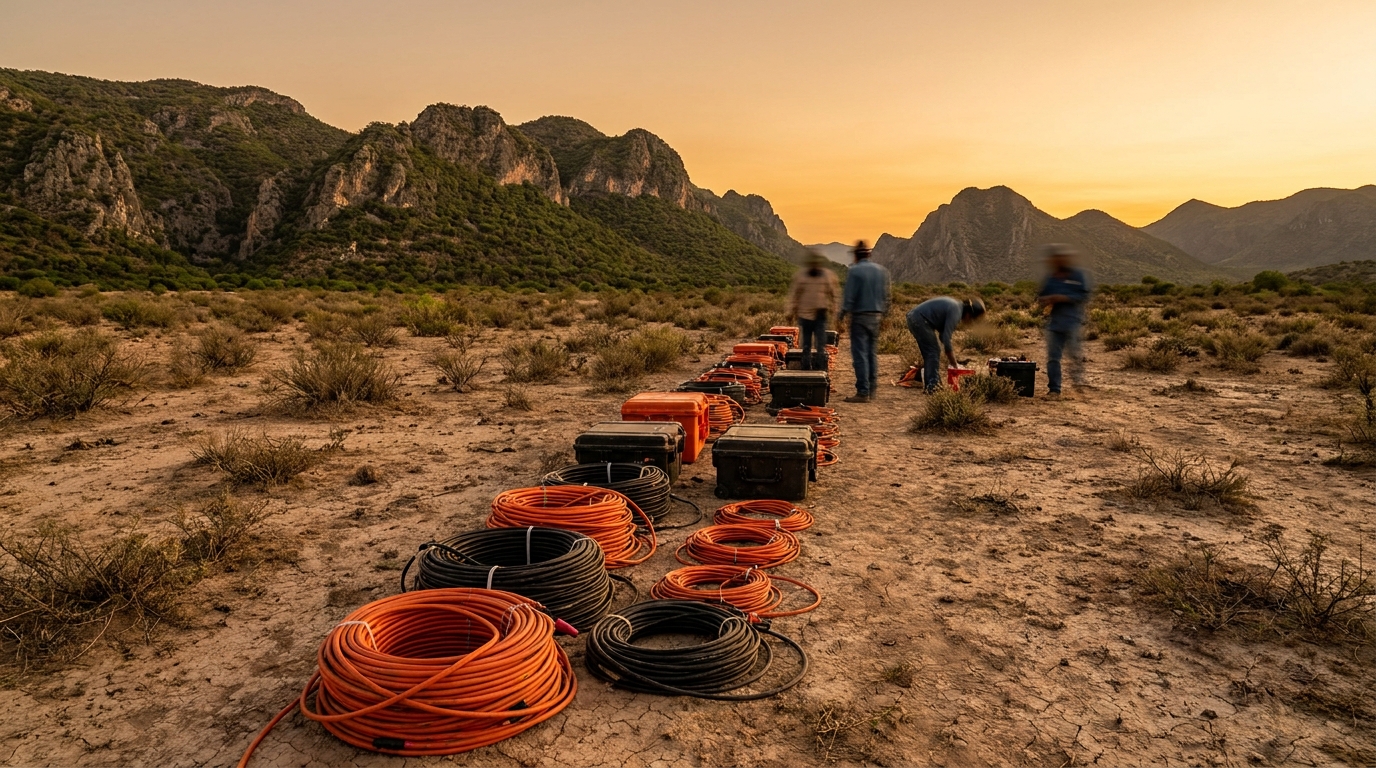
The permit is linked to two fields with a total of seven wells registered in San Luis Potosí. The San Pedro field has four wells distributed across the municipalities of San Antonio and Tanlajás, while the Limón field has three wells in the municipality of Ébano. According to the company, the notice aims to preserve the validity of the permit for seismic acquisition studies and as a precautionary measure against contingencies at already-registered wells. As reported by El Universal, Pemex emphasized that the permit does not, in itself, authorize or imply new drilling, exploration, or hydrocarbon extraction activities in the state.
The clarification comes amid heightened public sensitivity over subsurface land use in the Huasteca Potosina, one of the most ecologically and touristically significant regions in central Mexico. Pemex reiterated that any new project in the area requires additional authorizations and is subject to applicable public consultation mechanisms and environmental impact assessments.
This article was drafted with artificial intelligence assistance from verified sources and reviewed by a human editor before publication.