The United States Department of Agriculture (USDA) estimated on July 10 that it will need to import up to 1.15 million tons of Mexican sugar during the 2026-2027 cycle, a 512% increase over the previous period's estimate.
The announcement follows bilateral dialogue that began in November 2025, when U.S. Agriculture Secretary Brooke Rollins visited President Claudia Sheinbaum at the National Palace. The Ministry of Agriculture and Rural Development (SADER), led by Columba Jazmín López Gutiérrez, continued talks with the USDA until reaching the new access conditions, which replace the restrictive and variable quotas that governed previous cycles and prevented sugar mills from planning their harvests with certainty. The normalization of sugar trade represents a direct benefit for Mexico: the sugar industry will pay up to 4,760 million pesos to cane producers in the next season, according to the Office of the President. For the Mexican community in North America, the agreement consolidates one of the oldest agro-industrial trade links between the two countries.
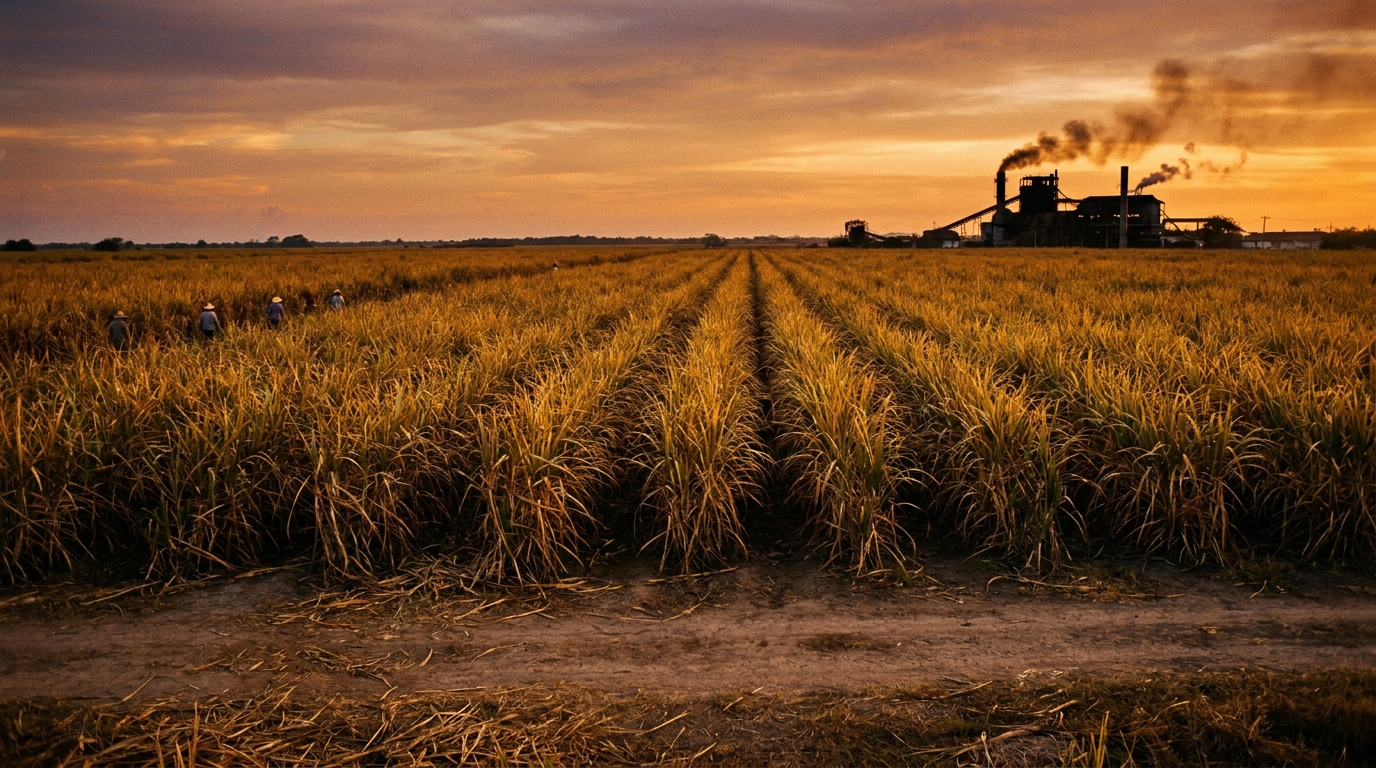
According to the USDA's WASDE (World Agricultural Supply and Demand Estimates) report, published on July 10, the 512% increase reflects a combination of lower domestic production in the United States and stable demand in the American market. Mexico is the country's primary external sugar supplier, and the new conditions give Mexican sugar mills the technical predictability to plan their harvests and milling with a defined export volume, something that did not exist under the previous variable quota scheme, as reported by El CEO. The estimated payment of 4,760 million pesos represents a substantial increase in income for the cane sector, which in recent years operated with reduced margins due to commercial uncertainty. The 170,000 beneficiary cane growers are concentrated in states such as Veracruz, Jalisco, San Luis Potosí, Morelos, Chiapas, Nayarit, and Tamaulipas. SADER noted that the outcome confirms that meaningful agreements between producers and consumers of both nations can be built through dialogue.
The 2026-2027 cycle begins in October of this year, and Mexican sugar mills now have a clear horizon for placement in the U.S. market. The certainty over export volume allows producers to plan the harvest with defined targets, reducing the uncertainty that marked recent cycles.
This article was drafted with the assistance of artificial intelligence from verified sources and reviewed by a human editor before publication.