Scientists from Cedars-Sinai Medical Center, in the United States, presented on July 10, 2026, the first clinical trial in humans of a genetically modified cell therapy designed to treat type 1 diabetes without the need for lifelong immunosuppressant drugs. The research, led by Dr. Sonja Schrepfer, was unveiled at the annual meeting of the International Society for Stem Cell Research (ISSCR), held in Montreal, Canada.
Diabetes is one of the leading causes of mortality in Mexico and affects millions of people, according to data from the Secretaría de Salud. Pancreatic islet transplants, capable of restoring insulin production in people with type 1 diabetes, currently depend on chronic immunosuppressants to prevent the immune system from rejecting the transplanted cells. Eliminating that requirement opens the possibility of offering this alternative to a far larger number of patients.
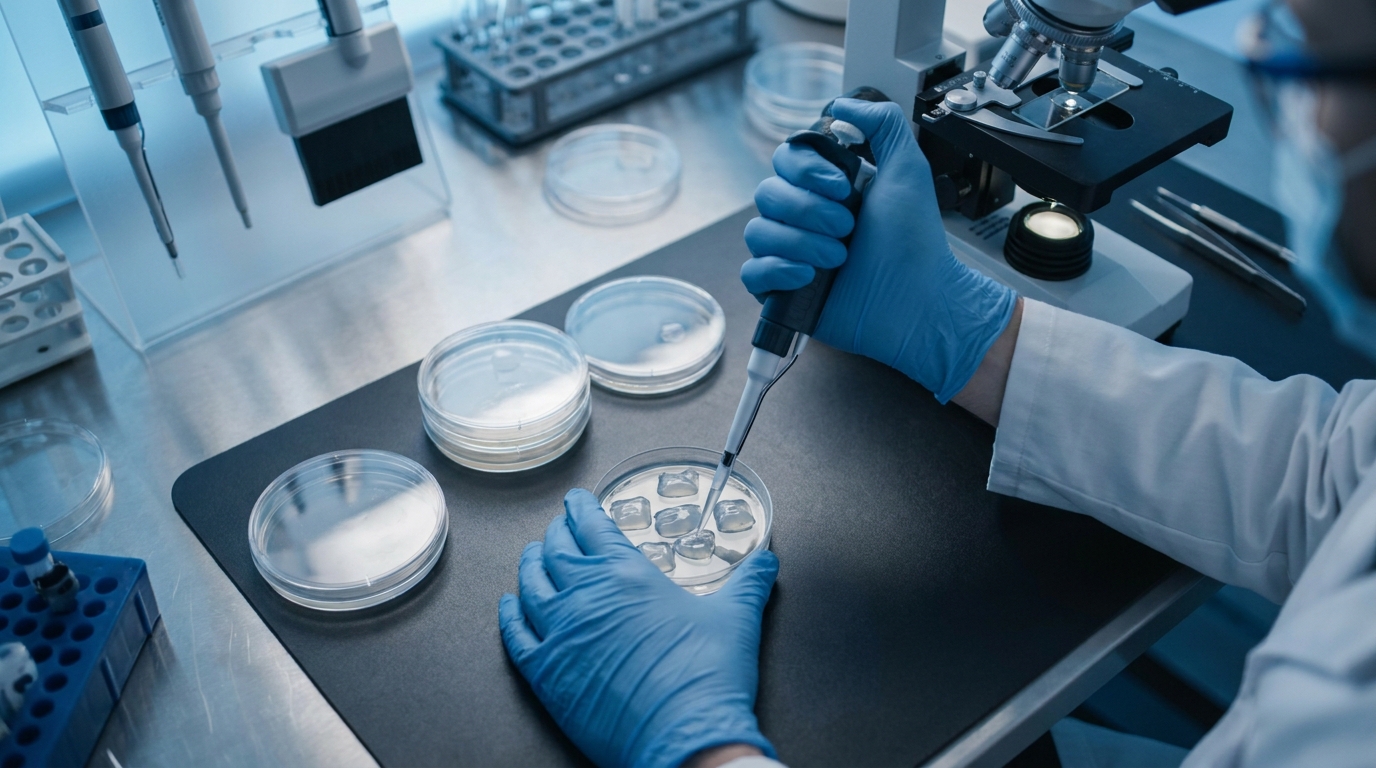
The trial uses a technique called hypoimmune engineering: insulin-producing cells obtained from a donor are genetically modified so that the recipient's immune system does not identify them as a threat. If successful, the approach would allow patients to produce their own insulin without the side effects associated with prolonged immunosuppression, which include increased risk of infection and kidney damage. Dr. Schrepfer told the ISSCR that the long-term goal is to provide a curative therapy for people with type 1 diabetes. The study is in its earliest phase and has not yet reported clinical results. Questions that remain to be answered include the durability of the transplanted cells, their interaction with pre-existing autoimmune responses in individual patients, and the feasibility of scaling the procedure to large populations, according to Investigación y Desarrollo.
The trial represents the first time hypoimmune engineering has been evaluated in humans to determine whether transplanted cells can remain alive and functional without immunosuppression. While the path to eventual clinical application is long, the study establishes a starting point for a therapeutic strategy that, if confirmed, would transform the approach to type 1 diabetes.
This article was written with artificial intelligence assistance from verified sources and reviewed by a human editor before publication.