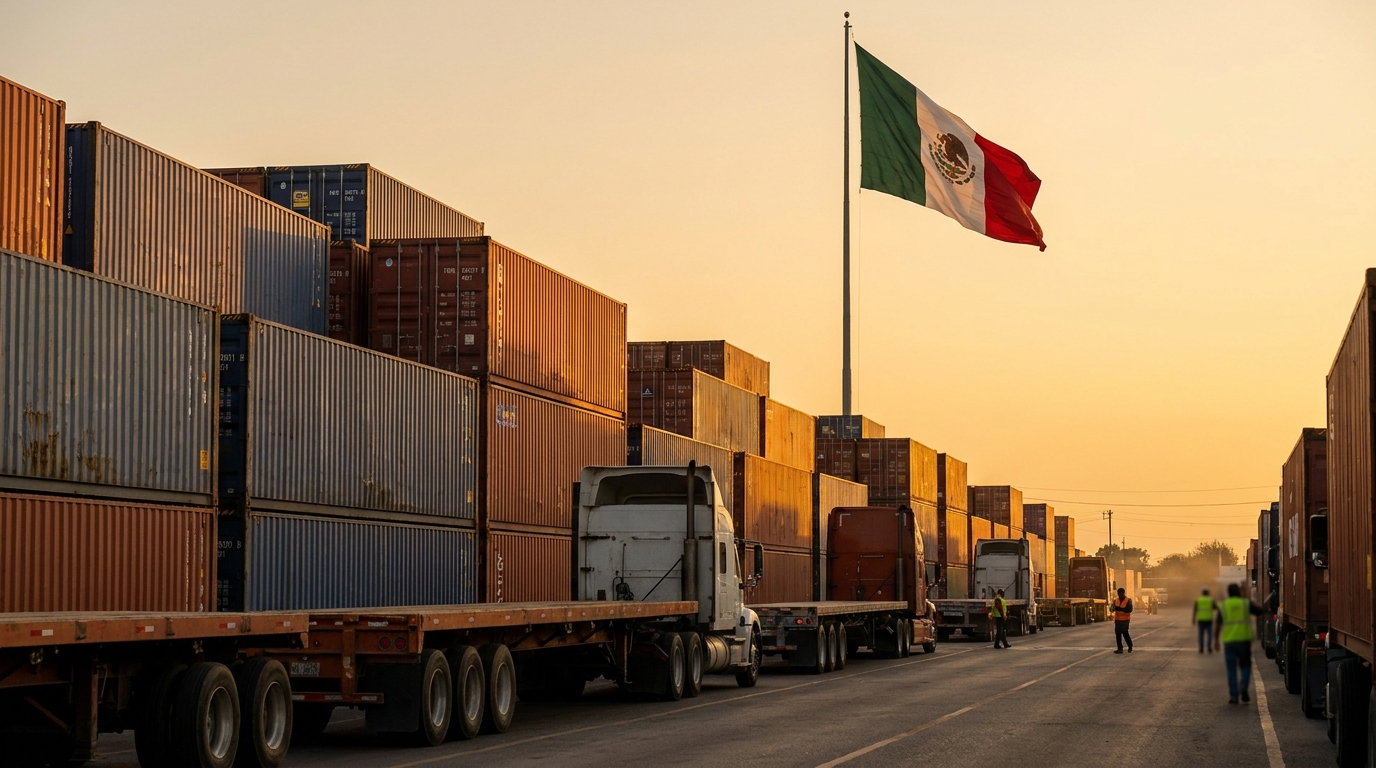
The United States formally imposed on July 24, 2026, a general 10% tariff on Mexican imports under Section 301 of its trade law. The 85% of Mexico's exports that comply with USMCA rules of origin is exempt from the new levy.
The measure replaces the 10% tariff that expired this Thursday, which had been imposed in February under Section 122, whose 150-day limit had run out. The new trade action, ordered by President Donald Trump, affects 60 trading partners representing 99.4% of US imports, according to El Financiero. Countries that prohibit imports produced with forced labor, or have committed to doing so, receive a 10% tariff; the rest face a rate of 12.5%. Mexico was placed in the first group, alongside Canada, the United Kingdom, and the European Union.
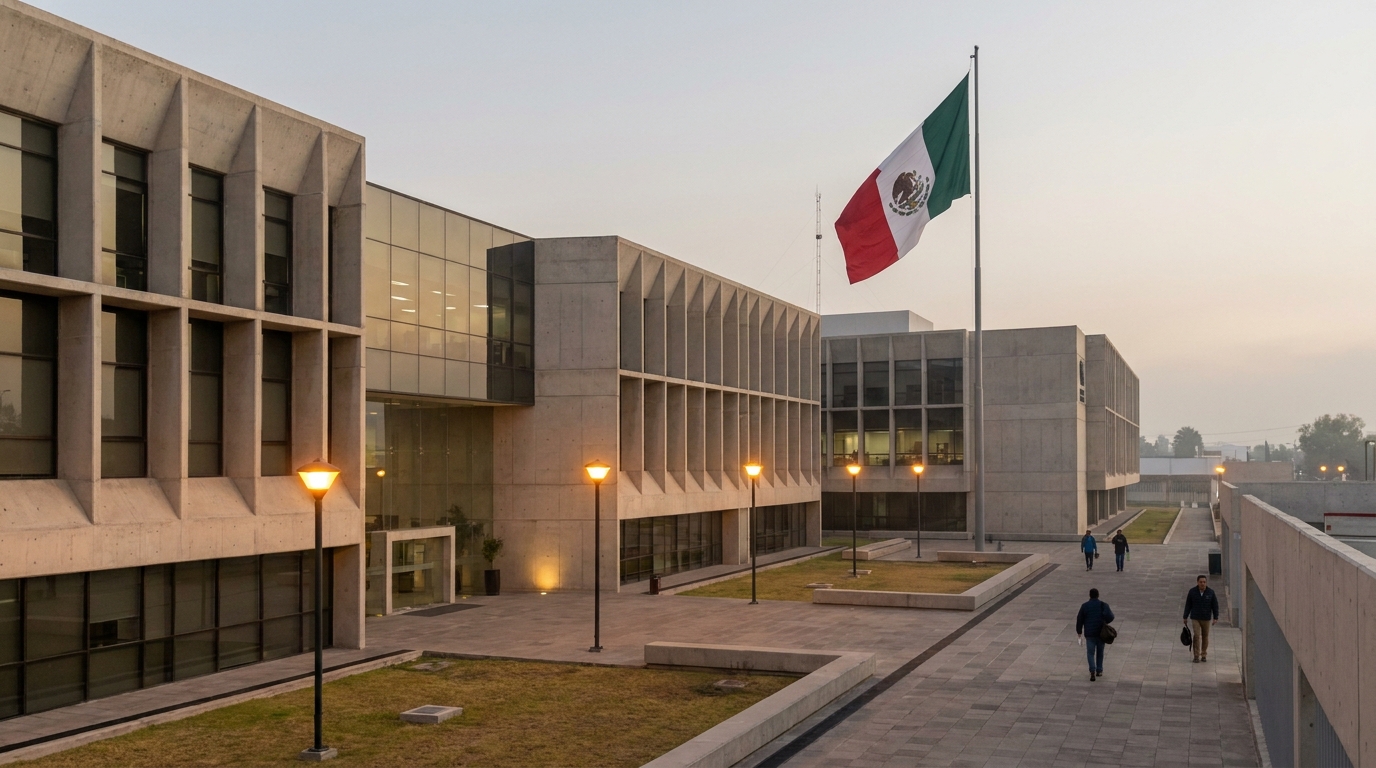
Economy Secretary Marcelo Ebrard explained that the measure does not change the effective rate already in place. According to data from the Secretariat of Economy reported by El Universal, 85% of Mexican exports comply with USMCA rules of origin and maintain tariff-free access to the US market. Section 301 excludes goods already subject to Section 232 tariffs, such as steel and aluminum, as well as fuels, food, and fertilizers. Ebrard described as constructive the conversations with US Trade Representative Jamieson Greer during the third round of treaty review, held in Mexico City from July 21 to 23. President Claudia Sheinbaum received Greer at the National Palace on July 23. Both parties agreed on a fourth round of negotiations for the first half of September in Washington.
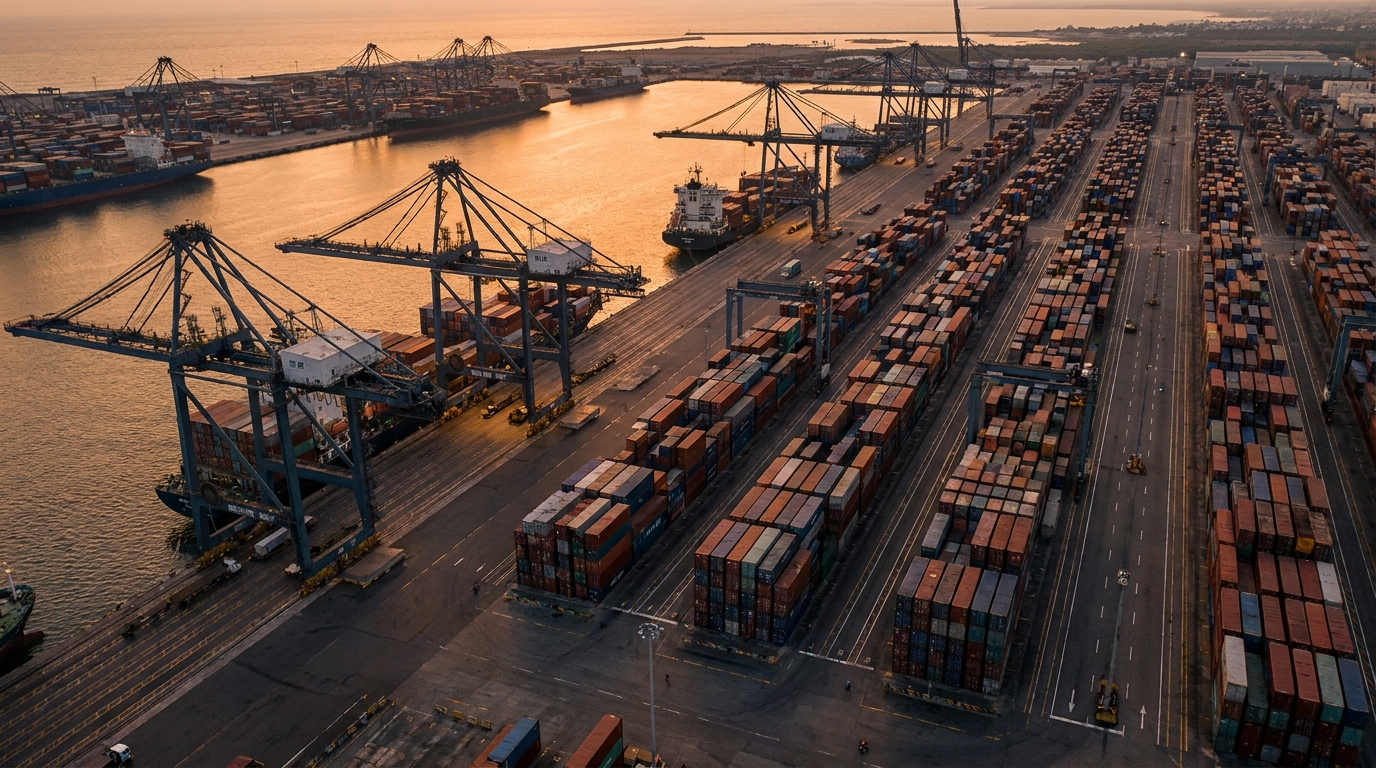
Mexico enters this new phase with record figures: in May 2026, Mexican exports to the United States reached $54 billion, a 17% year-on-year increase, the highest monthly figure since the US Commerce Department began keeping records in 1985. The fourth USMCA review round in September will define the terms of trade integration for the coming months.
This article was drafted with artificial intelligence assistance from verified sources and reviewed by a human editor before publication.