On July 4, 2026, the United States turned 250 years old with a commemoration split between two organizational fronts: America250, the bipartisan commission established by Congress in 2016, and Freedom 250, the public-private initiative championed by President Donald Trump that absorbed the lion's share of the $150 million Congress appropriated for the semiquincentennial celebrations.
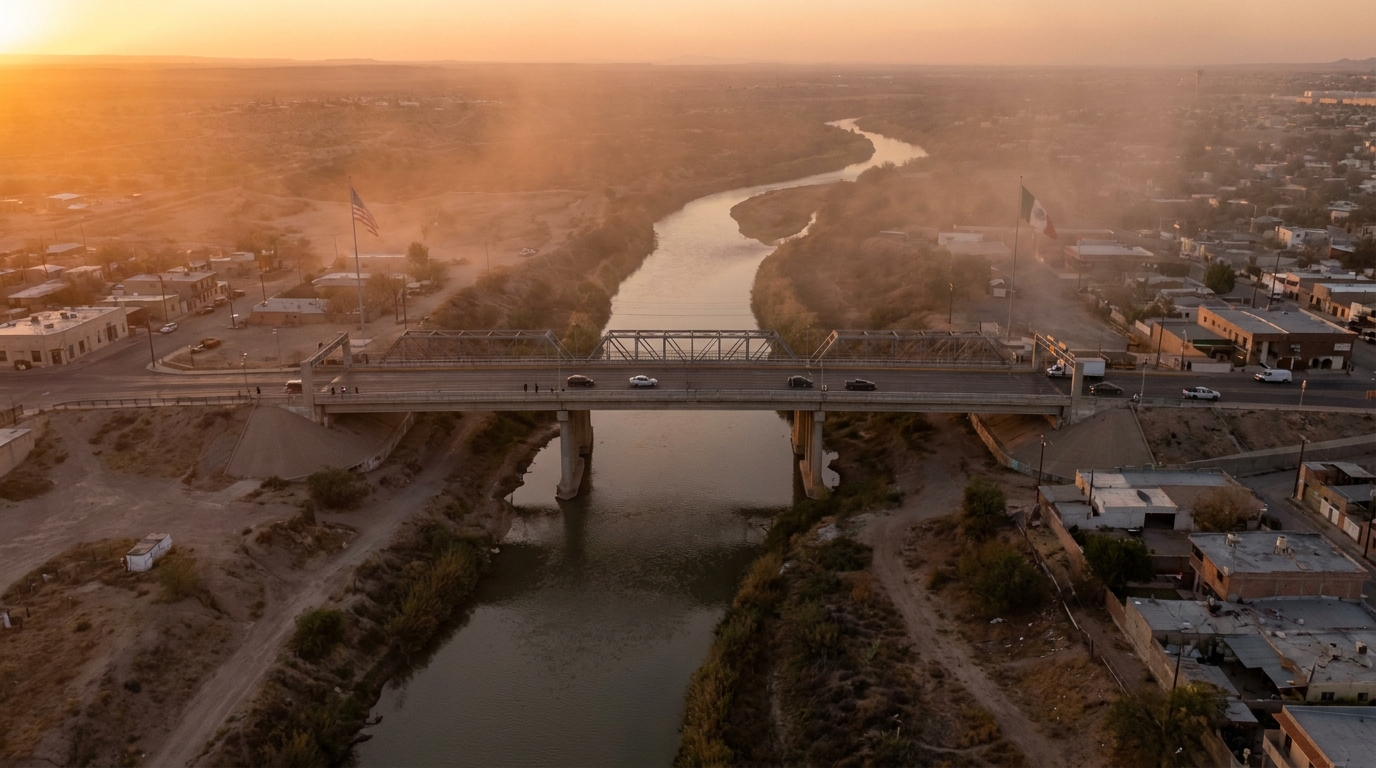
America250, chaired by former Treasurer Rosie Rios, was conceived a decade ago as a nonpartisan commission focused on civic and community programming. After Trump's return to the presidency in 2025, Freedom 250 was established as a public-private alliance housed within the National Park Foundation and led by Keith Krach. Of the $150 million appropriated by Congress, America250 received $25 million, while Freedom 250 channeled more than $68 million through the Department of the Interior, according to Politico. For the Latino community following both celebrations from Mexico and the United States, the struggle to control the semiquincentennial narrative illustrates the deep polarization running through the country.
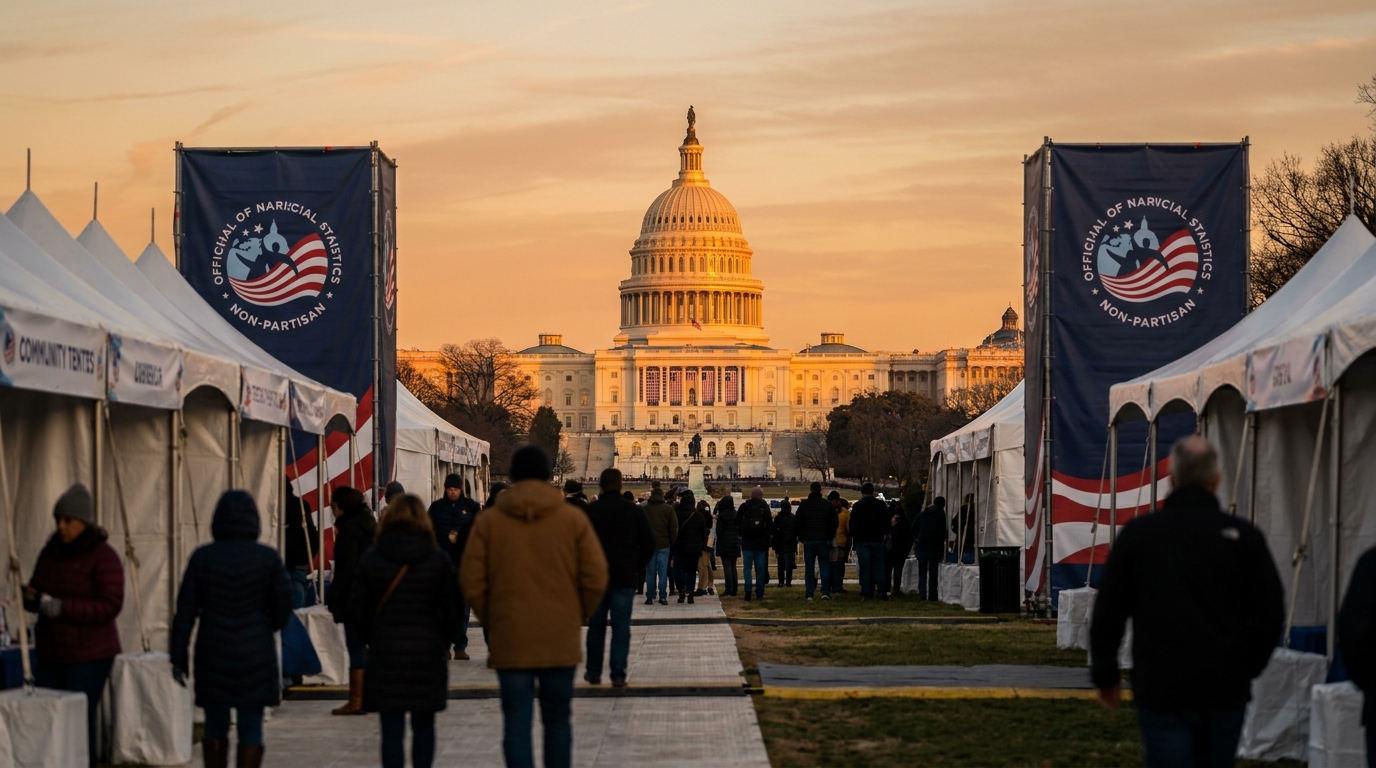
Freedom 250's programming included fireworks at Mount Rushmore on July 3 (the first in six years), the Great American State Fair on the National Mall, and a pyrotechnic display of 850,000 shells over the Potomac River, NBC News reported. America250, for its part, organized benefit concerts, the burial of a time capsule in Philadelphia, and the drop of eight balls in Times Square, one for each of the country's time zones. Meanwhile, civil society organizations held alternative events: HOPE (Hispanas Organized for Political Equality) presented "A Bill of Rights for Our Future" featuring 11 Latina leaders, and Latino Christian leaders held "Lament and Hope," a bilingual service in Washington, as Axios reported.
Forty-two percent of Americans believe the country is irreparably divided, according to a poll from the New York Historical Museum cited by Milenio. The semiquincentennial leaves open the question of what shared narrative will unite the United States through its next quarter-century, a conversation the binational Latino community is watching closely from both sides of the border.
This article was drafted with artificial intelligence assistance from verified sources and reviewed by a human editor before publication.