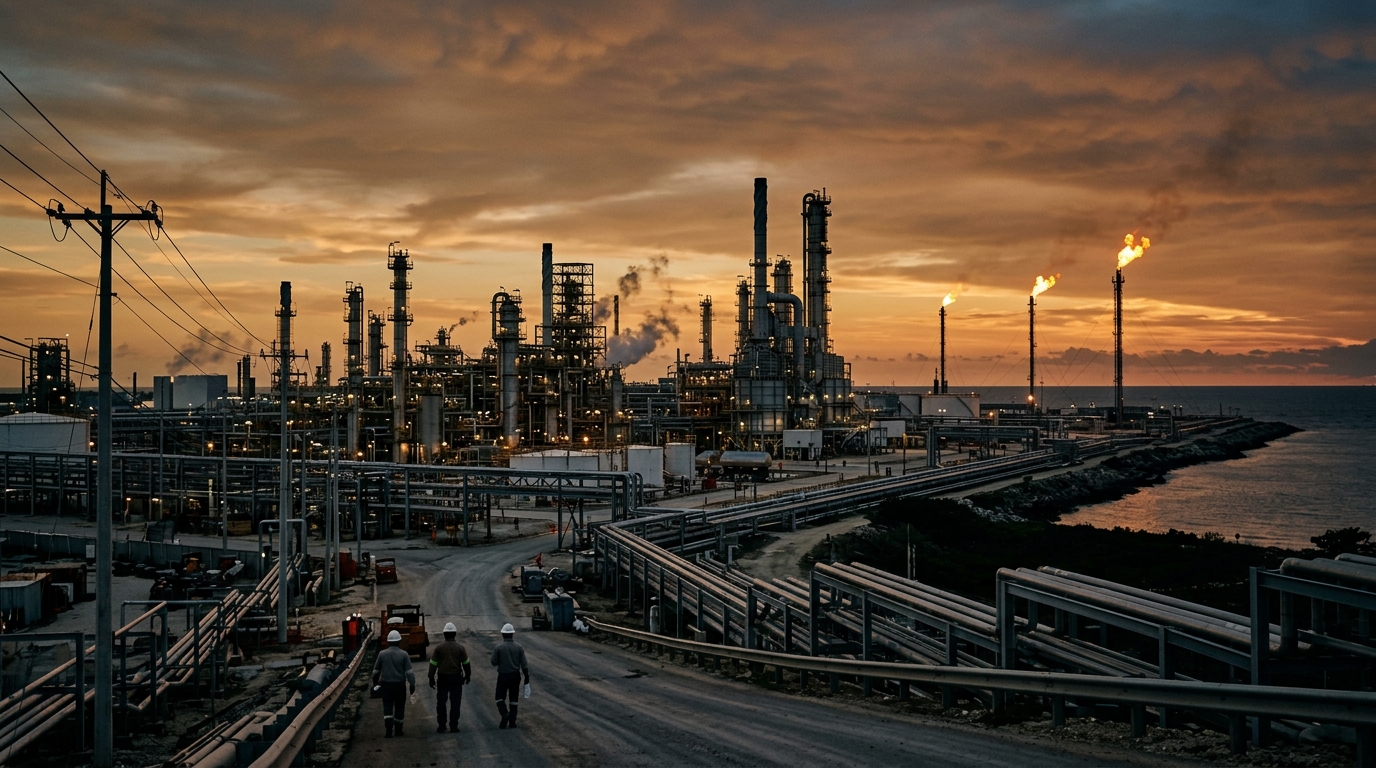
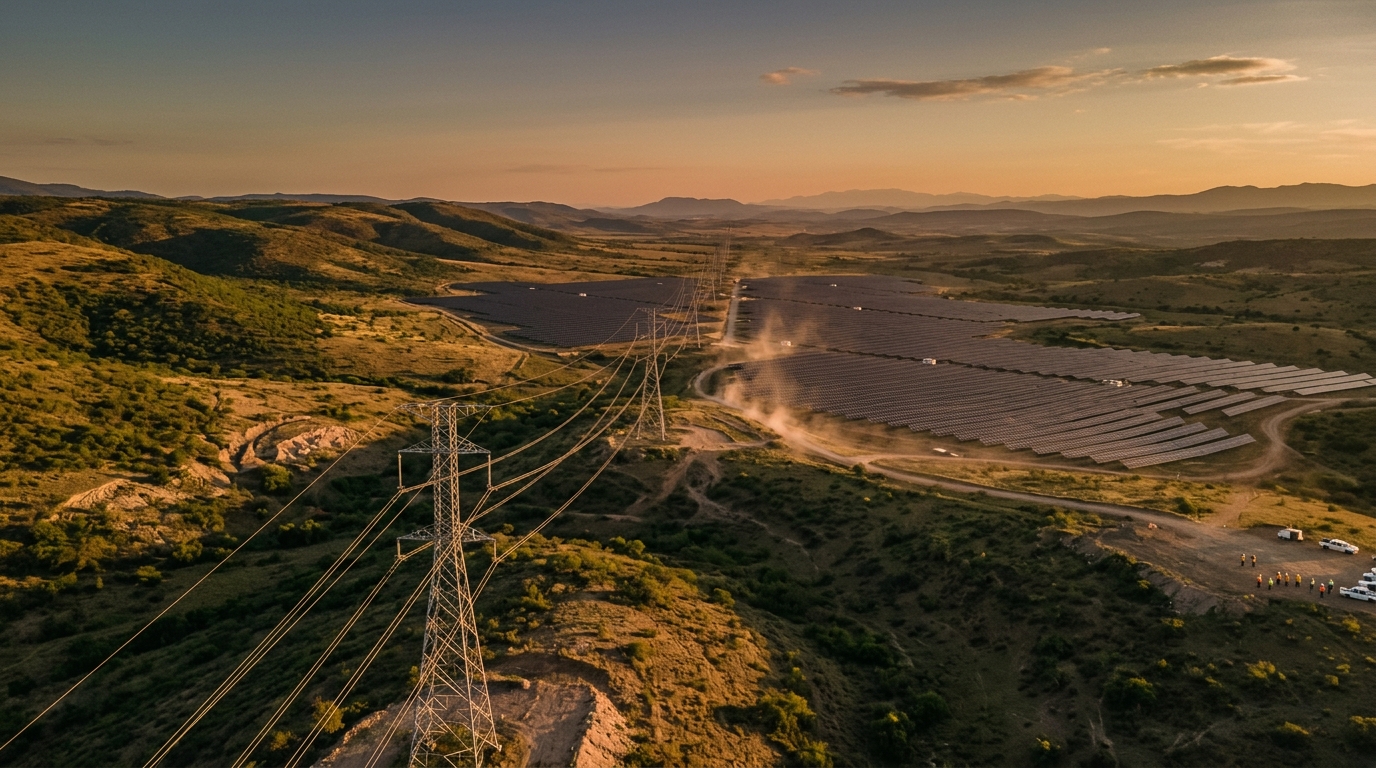
Mexico's Ministry of Energy (Sener) awarded permits for 55 electricity generation projects representing more than 600 billion pesos in investment, its head, Luz Elena González, announced on September 3, 2026, at the Infrastructure Investment forum organized by the Business Coordinating Council (CCE).
The permits are part of Sener's plan to secure energy supply through 2030, which calls for the construction of 100 generation plants along with a transmission and distribution program, the official said. The target is to raise the share of clean energy generation from the current 24 percent to at least 38 percent by that year. The expansion responds to industrial growth and nearshoring activity, which have driven up electricity demand across the country, according to Energía Hoy. For the Latino community in North America, the significance is direct: the manufacturing investment that creates jobs across all three countries depends on the availability of reliable power.
Sener also launched 10 mixed contracts with Pemex, structures that share risk with private capital without relinquishing state control, Energía Hoy reported. González stated that these actions safeguard energy sovereignty while opening private investment opportunities under transparent rules. José Medina Mora Icaza, president of the CCE, said that 60 percent of recently unblocked investments in Mexico, some 2,250 million dollars, corresponds to the energy sector. "Today the conditions exist and projects are moving forward," the business leader said at the forum, according to La Jornada. Permit streamlining, the Investment Projects Office, and 11 legal modifications, including constitutional reforms, are among the measures that have unlocked investment, La Jornada reported.
The next milestone is the incorporation of the 9,000 megawatts that Sener expects to add in the coming months, which will test the pace of execution of the plan. Progress toward 38 percent clean generation by 2030 will be measured with every plant that comes online.
This article was drafted with artificial intelligence assistance from verified sources and reviewed by a human editor before publication.