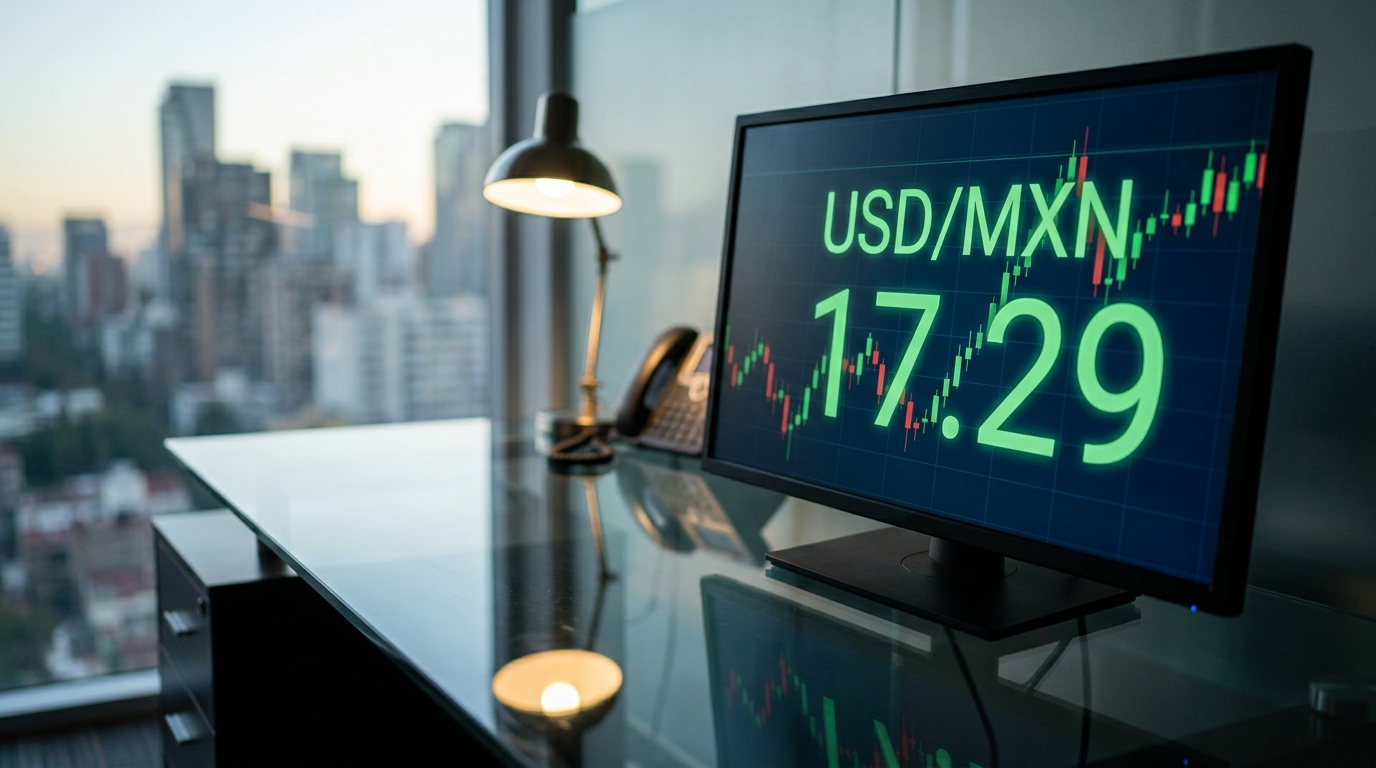
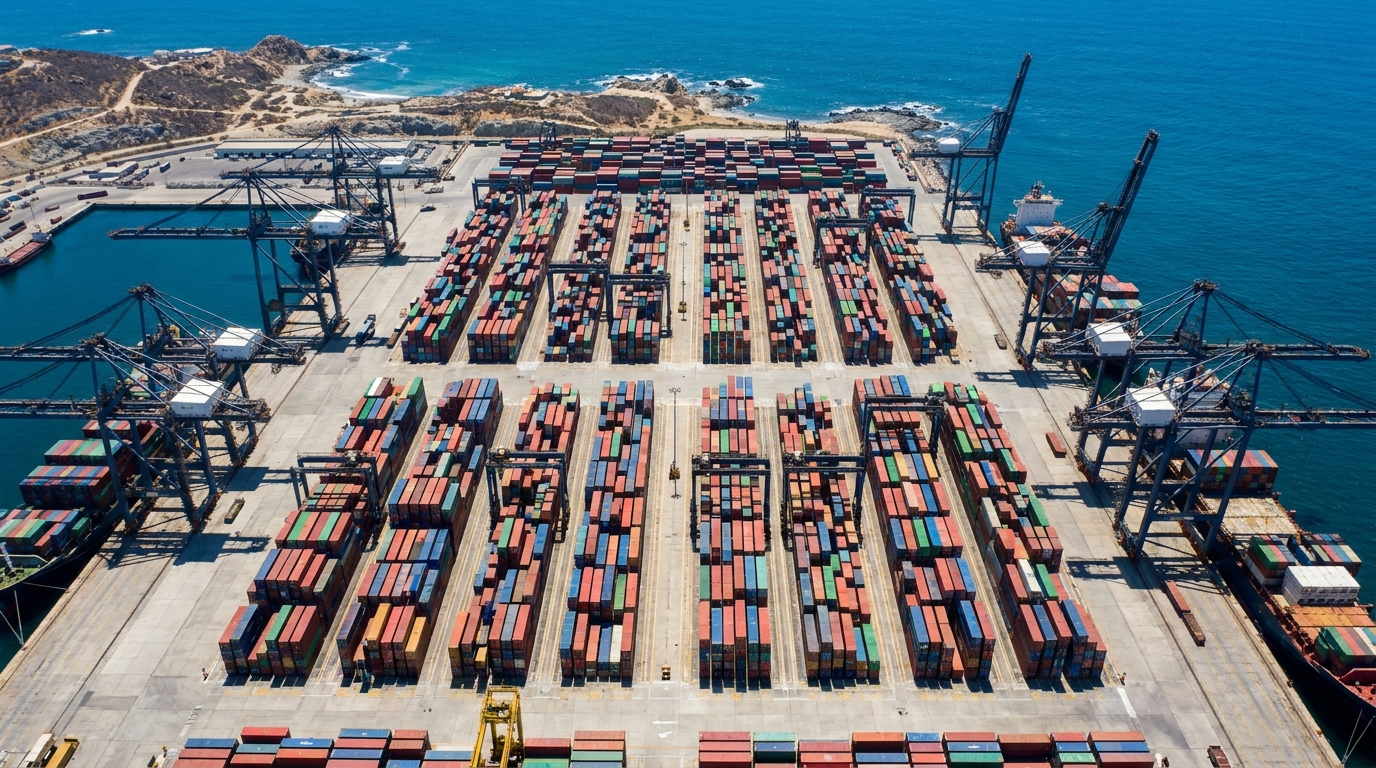
Mexico is approaching a date that could mean billions of dollars in economic impact. The formal review of the trade agreement between Mexico, the United States, and Canada (USMCA) is scheduled for July 1, 2026, and its outcome will determine whether nearshoring remains a driver of investment or stalls under mounting uncertainty.
The issue has been in limbo for over a year. According to an analysis by El Financiero, Mexico's economy has endured 14 months of trade uncertainty, with tariffs imposed by the Trump administration and questions about the treaty's future dampening investment in manufacturing sectors tied to the agreement. The numbers tell a striking story, however, that complicates the narrative.
The data offers cautious optimism. Expansion reports that Mexico received 23.591 billion dollars in foreign direct investment between January and March, up 10.4 percent compared to the same period in 2025 and the highest figure for any first quarter on record. But there is a paradox: capital continues to flow in, though much of it consists of reinvested profits rather than new projects waiting for USMCA certainty.
July 1 is circled on the private sector's calendar. A review that confirms stable rules could unblock stalled manufacturing investment; one that triggers new tariff conflicts would put at risk an estimated additional 30 billion dollars, according to market forecasts. Mexico negotiates with the advantage of being a commercial partner the United States cannot afford to ignore.
Sources
- https://www.elfinanciero.com.mx/opinion/gabriel-casillas/2026/06/02/t-mec-que-sigue-i/
- https://expansion.mx/economia/2026/05/25/mexico-record-inversion-extranjera-23-591-mdd-arranque-2026